Tours(115)
Ein Avdat National Park
SuggestedPrice on request
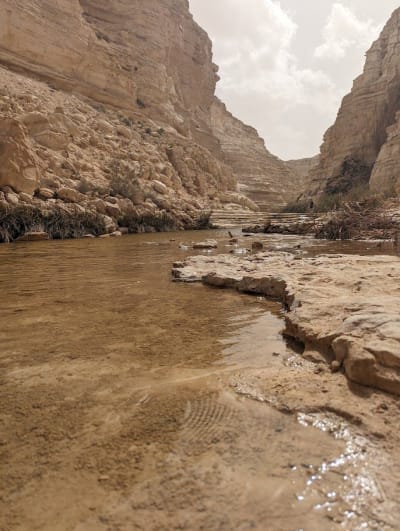
Ein Avdat is a canyon in the Zin Valley where desert springs create pools, reeds, and green terraces beneath high limestone cliffs. It is one of the Negev’s clearest examples of how water changes everything. A visit can include a walk through the canyon, views from above the cliffs, and time to observe the plants and animals that gather around the springs. It can be combined with Sde Boker, Ben-Gurion’s grave, Avdat, or a longer route toward Mitzpe Ramon. The experience is built around contrast. The dry plateau above and the water below show the hidden systems that make desert life possible, and explain why people, wildlife, and trade routes have always been drawn to the few places where water appears.
הגליל דרך אנשיו וטעמיו
SuggestedPrice on request
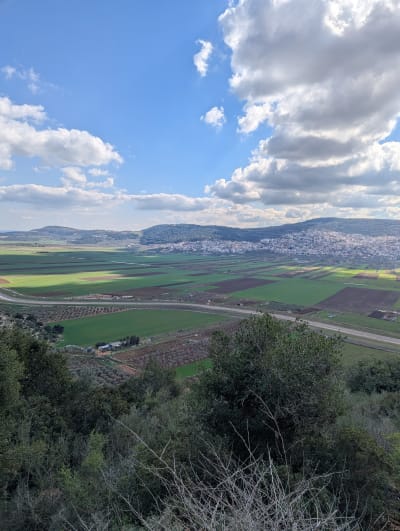
כדי להכיר את הגליל מקרוב, כדאי לצאת מן האתרים המוכרים ולפגוש את האנשים שחיים כאן, מעבדים את האדמה, מבשלים ושומרים על מסורות משפחתיות. בעקבות ספרי, "לטייל עם מוריס בגליל", נצא למסע בין סיפורים, כפרים, חקלאות ואוכל מקומי. נוכל לבקר ביישובים יהודיים, מוסלמיים, נוצריים, דרוזיים וצ'רקסיים, ולהכיר את המסורות השונות המרכיבות את הפסיפס הגלילי. בבקעת בית נטופה נגלה חקלאות מסורתית וגידולים כמו במיה, לוביה ושומשום, ונראה כיצד האדמה, העונות ומנהגי המקום משפיעים על המטבח. בהתאם לעונה ולאפשרויות האירוח, נוכל להיכנס לבתים, לראות אפיית לחם בטאבון, לפגוש יצרנים מקומיים ולבקר ביקב משפחתי או במחלבה. לפעמים ארוחה ביתית היא לבו של היום, ואפשר לבדוק גם אפשרות לארוחת ערב או ללינה אצל מארחים מקומיים. המסלול ייבנה לפי העונה, המארחים הזמינים ותחומי העניין שלכם. אפשר להדגיש אוכל וטעימות, חקלאות, מסורות, מפגשים אישיים או לשלב ביניהם. מוריס צמח הוא מורה דרך מוסמך, חקלאי ומספר סיפורים, המדריך ברחבי הארץ מאז 1988. הוא נולד במושב מרגליות שבגבול הצפון, והגליל הוא ביתו. בסיוריו הוא מחבר בין נופים ואתרים לבין האנשים, המסורות, האוכל והסיפורים המקומיים. מוריס הוא גם מחברם של ספרים על הגליל, טבריה וראש פינה, ומביא להדרכה ידע אישי שנאסף במשך שנים של מפגשים, מחקר וטיולים.
Mount Zion
SuggestedPrice on request
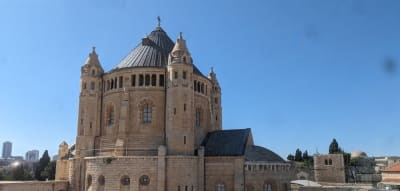
Mount Zion lies just outside Jerusalem’s Old City walls, but it carries stories from many periods and traditions. It is associated with King David, the Last Supper, early Christianity, Jewish prayer, the Holocaust, and the divided city of Jerusalem after 1948. A private walk can include David’s Tomb, the Room of the Last Supper, Dormition Abbey, the old city walls, and the nearby streets around Zion Gate. The visit can focus on Jewish history, Christian tradition, sacred geography, modern Jerusalem, or the different meanings attached to the same buildings. Mount Zion shows how Jerusalem’s sacred map has never been fixed. A few streets and buildings have been claimed, reinterpreted, and remembered differently by Jews, Christians, Muslims, pilgrims, residents, and modern Israelis.
נצרת, כנסיות, שוק וטעמים מקומיים עם מוריס צמח
SuggestedPrice on request
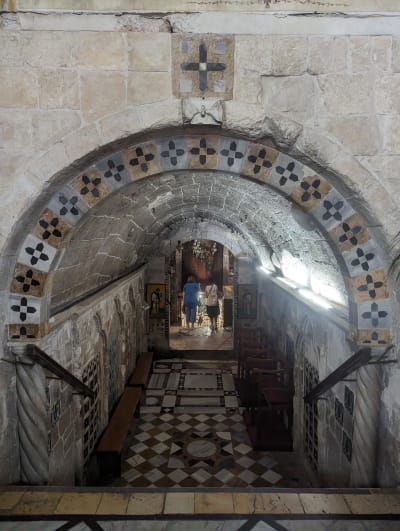
נצרת היא עיר של אמונה, היסטוריה, שווקים, אוכל וחיי יום יום. נוכל להתחיל בתצפית מגבעת כנסיית ישו הנער, להביט על העיר מלמעלה ומשם לרדת אל הסמטאות ואל המרכז העתיק. בהתאם לתחומי העניין שלכם, אפשר לבקר בכנסיית הבשורה, בכנסיית גבריאל הקדוש ובכנסיית בית הכנסת. בכל מקום נכיר את המסורות הנוצריות הקשורות בו ונראה כיצד האמונה, ההיסטוריה והחיים המודרניים נפגשים בנצרת של היום. אחרי הכנסיות נוכל לשוטט בשוק, לטעום מאכלים מקומיים ולהכיר את האווירה המיוחדת של העיר. בתיאום מראש, ייתכן שנוכל לבקר גם בבית פרטי מן המאה התשע עשרה ולראות את תקרותיו המצוירות. למי שמתעניין בארכאולוגיה ובאמנות עתיקה, ניתן לשקול שילוב עם הפסיפסים של ציפורי. אלו אפשרויות ולא מסלול קבוע. נתאים את הסיור לזמן, לקצב ולתחומי העניין שלכם, עם דגש על נצרות, תרבות מקומית, אוכל, היסטוריה או שילוב ביניהם.

Tel Hazor National Park
SuggestedPrice on request
Tel Hazor was one of the great cities of the ancient Near East. Its scale, fortifications, palaces, temples, and water system reveal why it was once a major centre of power in the northern Land of Israel. The site appears in the Bible and in Egyptian and Mesopotamian records. Walking through the upper city and descending into the great water system gives a sense of how important Hazor was during the Canaanite and Israelite periods. The story of Hazor takes the visitor into a world before the Bible’s kingdoms, when powerful cities ruled surrounding villages, negotiated with empires, and fought for control of the routes between Egypt, Syria, and Mesopotamia.
“…And a Wall Through Her Heart” - The City Line that Divided Jerusalem 1948-67, and a Glimpse at Today’s Municipal Borders
SuggestedPrice on request
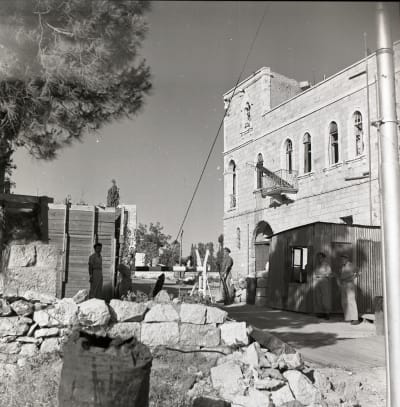
Following a section of the “borderline” which divided Jerusalem 1948-1967, we will attempt to understand some of the ongoing geopolitical issues in the City of Peace. Beginning in Gilo (which was built after 1967) we will look out onto the western part of the city for a geographic orientation. We’ll drive along the old 1948 dividing line through the Arab neighborhood of Bet Sefafa. Stopping at the Goldmann Promenade overlooking the Old City and environs, we will discuss the complexities of the area before and after 1967. On the roof of a school in the Abu Tor neighborhood we’ll get a perspective on the divided city alongside the Old City. Time and traffic allowing, we will drive north of the Old City to see the location of the famous Mandelbaum gate: the only gateway between Jordanian and Israeli Jerusalem 1948-67. Transportation is not provided. We will travel in a caravan of cars making the aforementioned stops. A group can also arrange for a bus or van for transportation. TOUR LENGTH: ~4 hours PRICE (total per group): ₪800 (~$250)
Jerusalem Old City Tour: Full Day Standard
Suggested₪1500
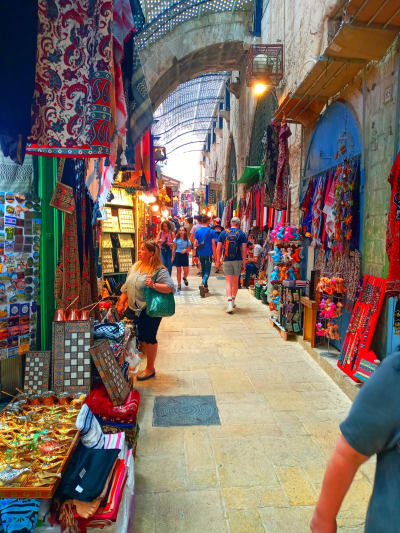
In this walking tour we spend the entire day exploring the quarters of the Old City of Jerusalem; discovering it's importance throughout history to the 3 monotheistic religions of the world. Highlights include, Tower of David*, View of Temple Mount, Mount Zion, Jewish Quarter, Western Wall, Muslim Quarter, Christian Quarter, Via Dolorosa, Church of the Holy Sepulcher., Old City Bazaar. *entrance fees apply
Nahal Iyon: Waterfalls on Israel’s Northern Edge
SuggestedPrice on request
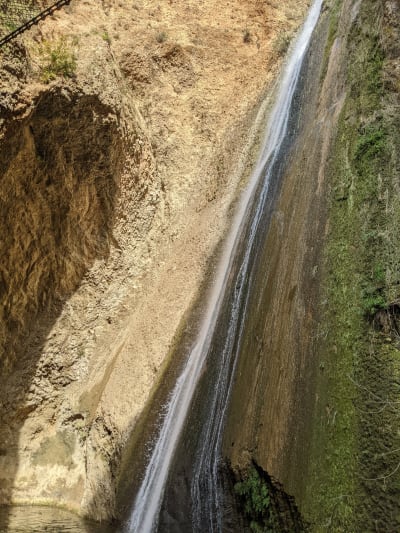
Nahal Iyon runs through the northern Galilee near Metula, where a seasonal stream cuts through a narrow valley and creates a series of waterfalls. A private visit can include the reserve’s walking paths, waterfalls, wildflowers in season, and views toward the border landscape of northern Israel and southern Lebanon. It can be combined with Tel Dan, Banias, or an Upper Galilee route. The reserve shows how quickly the north can change character: a short distance from dry hills and political borders, water creates a green corridor of movement, wildlife, and seasonal life.
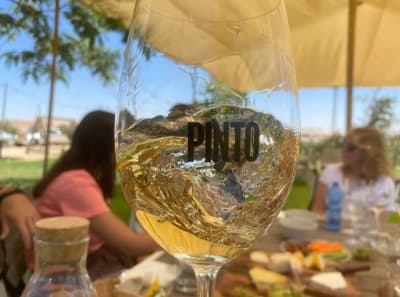
A Day in the Judean Hills: Israel’s Wine Country, from Ancient Vines to Modern Boutique Wineries
SuggestedPrice on request
Explore Israel’s wine country with David Perlmutter on a full-day private tour through the Judean Hills. The Judean Hills, west and south of Jerusalem, are one of Israel’s oldest wine-growing areas. Vineyards have been part of this landscape since biblical times, and ancient wine presses, terraces, and archaeological sites can still be found among the hills. In recent decades, the region has become home to some of Israel’s most respected wineries, from established estates to small family-run producers. This day is an introduction to the wines, people, landscapes, and stories of the Judean Hills. We will visit selected wineries, taste local wines, and learn about the region’s long connection to grape growing and winemaking. Along the way, there will be time to enjoy the countryside, stop for lunch, and take in the views. Each tour is planned around the group’s interests, the season, and winery availability. Whether you know wine well or simply enjoy good food, beautiful landscapes, and local stories, this is a relaxed day out in a part of Israel many visitors never get to see. Best for: • Wine lovers of all levels, from curious drinkers to experienced collectors • Couples, adult private groups, and small groups of friends • First-time visitors looking to spend a full day beyond Jerusalem, in a landscape they might not otherwise see • Returning visitors to Israel who want a slower, more specialised day • Kosher-observant travellers. A fully kosher winery route can be arranged Before you go: • No designated driver is needed. David drives • Wear comfortable shoes for walking in vineyards and around wineries • Bring a sun hat and water. The Judean Hills can be hot in summer • Expect a modest amount of walking at each winery • The day includes several wine tastings, so it is worth pacing yourself. David will guide the tastings. Included: • Full-day private guiding with David Perlmutter • Private off-road transport from Jerusalem or Tel Aviv • Two or three winery visits, arranged in advance • Tasting fees at the scheduled wineries • Lunch arrangements, with the meal paid separately Not included: • Lunch. David will arrange the restaurant; payment is made directly • Wine purchases at the wineries • Accommodation before or after the tour Other options: • A half-day Judean Hills tour is also available for travellers with less time. It lasts three to four hours and includes one or two wineries. • Longer wine trips can also be planned, including the Galilee and Golan, Negev boutique wineries, or a north-to-south wine journey. Ask for a custom quote.
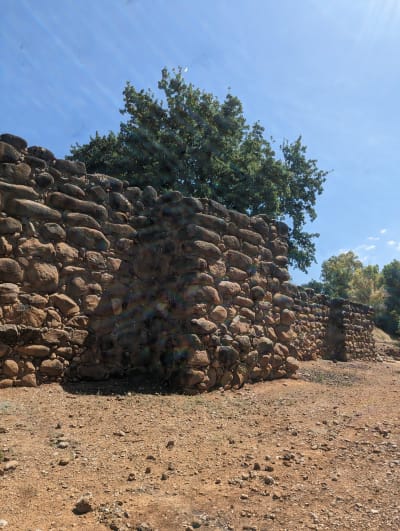
Tel Dan and the Northern Kingdom Of Israel
SuggestedPrice on request
Tel Dan is a central site for understanding the northern Kingdom of Israel. This full-day tour begins in Tel Dan Nature Reserve, at one of the principal sources of the Jordan River, and follows the archaeological remains of the ancient city of Dan. At the site, examine the city’s fortifications, gates, administrative areas, and ritual complex. The tour places Dan within the history of the divided Israelite monarchy, from the establishment of the northern kingdom to the Assyrian conquest in the eighth century BCE. The archaeological evidence is read alongside the Hebrew Bible and other ancient sources, with attention to what they reveal and where interpretation remains debated. Dr. Shai Schupack brings to the tour his doctorate in Land of Israel Studies and Archaeology, his work as an educator, and his experience training future licensed guides. This is a focused archaeological and historical study day, grounded in sites, sources, and landscape.
Megiddo: Armageddon & Ancient Empires
SuggestedPrice on request
Tel Megiddo overlooks the Jezreel Valley, one of the great crossroads of the ancient Near East. Its position made it valuable to Canaanite kings, Egyptian pharaohs, Israelite rulers, and later armies moving between Egypt, Syria, and Mesopotamia. A visit can include the city gates, palaces, temples, stables, and the deep water system. The site is also associated with the biblical idea of Armageddon, a name derived from Har Megiddo, or Mount Megiddo. Megiddo is a story of geography becoming destiny. Whoever controlled this hill could watch the valley below and influence the roads that linked the great powers of the ancient world.
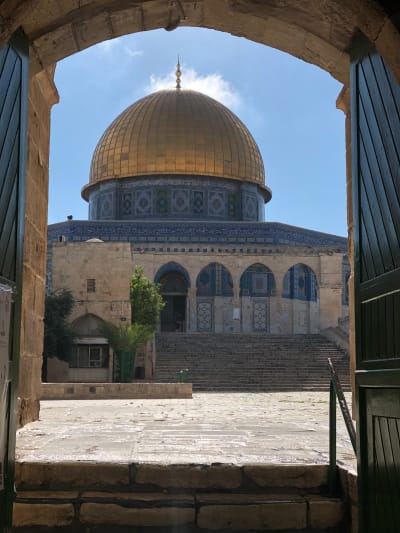
אסלאם בירושלים
SuggestedPrice on request
נצא לסיור בנושא האסלאם בירושלים: נתחיל בסיור מקיף בהר הבית (לא כניסה למסגדים) ולאחר מכן נסתובב בשוקי הרובע המוסלמי. אחרי הפסקה קצרה נעלה לחומת העיר העתיקה ונלך על החומה משער יפו לשער שכם.
Upper Galilee Springs: Tel Dan, Banias & Nahal Snir
SuggestedPrice on request
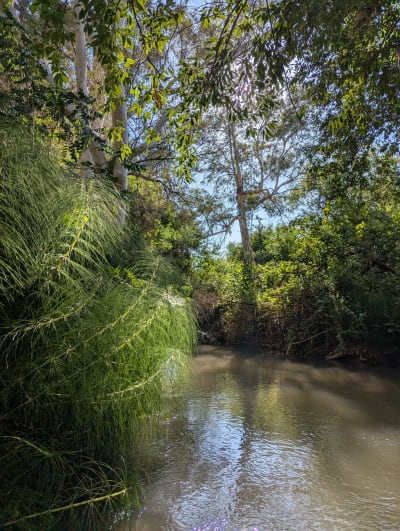
The Upper Galilee is shaped by the waters that descend from Mount Hermon and gather into the sources of the Jordan River. Tel Dan, Banias, and Nahal Snir each offer a different combination of clear streams, shaded walks, archaeology, and border landscapes. A private day can be built around the ancient city of Dan, the springs and waterfall at Banias, and a riverside walk along the Snir, also known as the Hasbani. The route can be relaxed and family-friendly or more active, depending on the group and season. The deeper story is water. These springs have drawn settlement, worship, agriculture, and conflict for thousands of years, and still explain why the far north feels so different from the rest of Israel.
שלושה ימים ברמת הגולן ובגליל עם מוריס צמח
SuggestedPrice on request
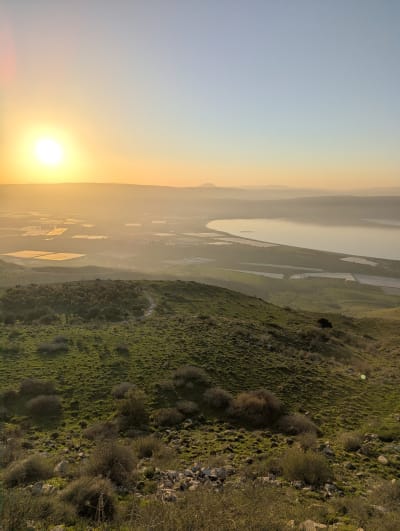
במשך שלושה ימים נגלה את צפון הארץ דרך הנופים, ההיסטוריה, הקהילות והסיפורים האנושיים שלו. נוכל לשלב בין רמת הגולן, הגליל המזרחי והגליל המערבי, ולבנות מסע המתאים לתחומי העניין, לקצב ולאופי הטיול שלכם. ברמת הגולן אפשר לבקר בתצפיות מרשימות, בגמלא, באזור הירדן ובאתרים הקשורים לקרבות ולגבולות שעיצבו את האזור. במהלך הדרך אשתף גם בנקודת המבט האישית שלי ואחבר בין ההיסטוריה, הגאוגרפיה והמציאות של ימינו. בגליל המזרחי נוכל לנסוע לאורך הכנרת, לבקר בטבריה ובאתרים נוצריים, לשוטט בראש פינה או בצפת וליהנות מנופי יער ביריה. אפשר להקדיש את היום למורשת מקראית ודתית, להיסטוריה יהודית, לטבע או לחיי המקום. בגליל המערבי נוכל להכיר את סמטאות עכו, השוק, האולמות התת קרקעיים והנמל. אפשר להמשיך לראש הנקרה, לפקיעין או למפגש עם אחת הקהילות הדרוזיות או הבדואיות בצפון. אלו הצעות ולא מסלול מחייב. נתאים את שלושת הימים לעונה, למקום הלינה, לתחומי העניין של הקבוצה ולכמות ההליכה והנסיעה המתאימה לכם. מוריס צמח הוא מורה דרך מוסמך, חקלאי ומספר סיפורים, המדריך ברחבי הארץ מאז 1988. הוא נולד במושב מרגליות שבגבול הצפון, והגליל הוא ביתו. בסיוריו הוא מחבר בין נופים ואתרים לבין האנשים, המסורות, האוכל והסיפורים המקומיים. מוריס הוא גם מחברם של ספרים על הגליל, טבריה וראש פינה, ומביא להדרכה ידע אישי שנאסף במשך שנים של מפגשים, מחקר וטיולים.
Carmel Caves Nature Reserve
SuggestedPrice on request
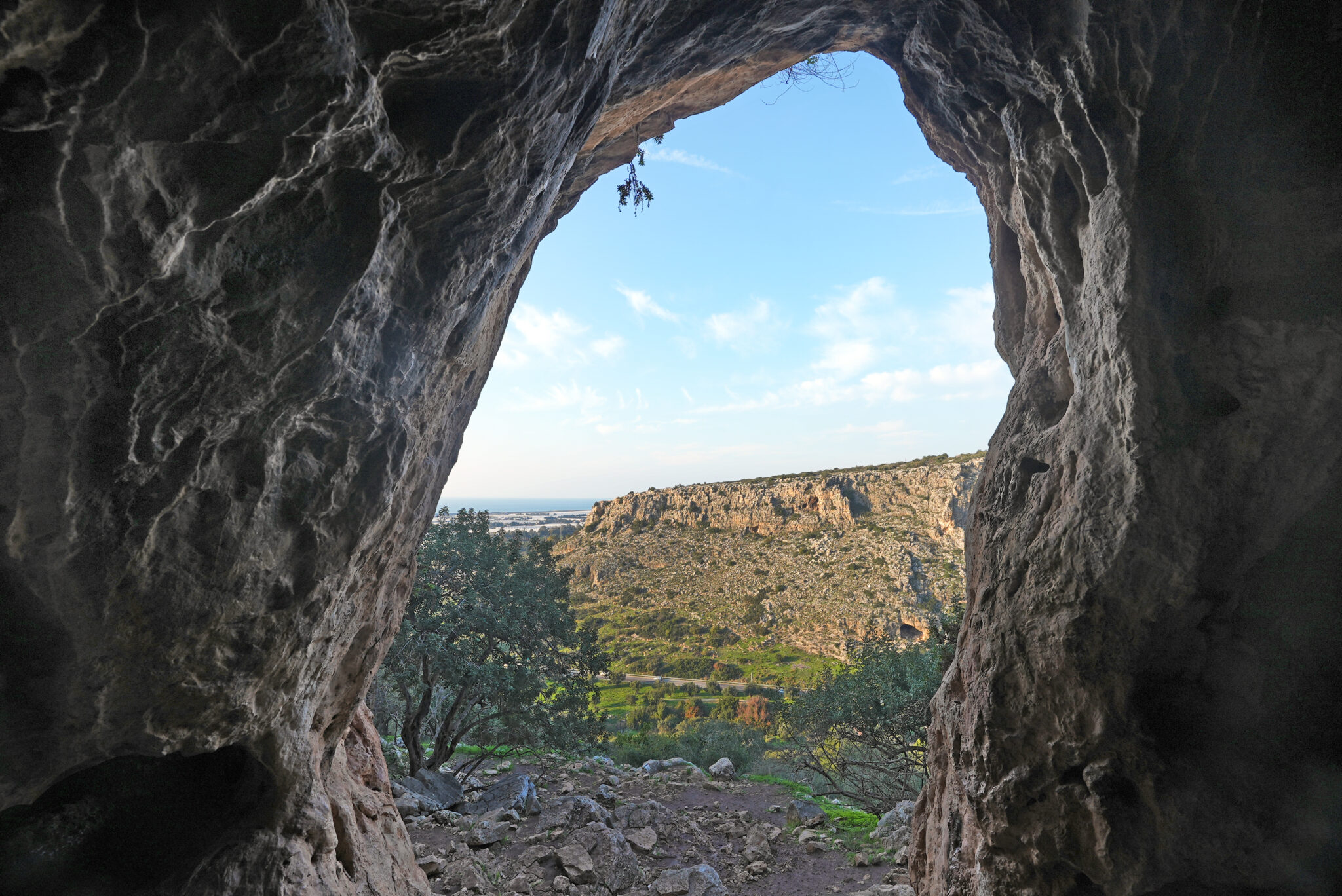
The Carmel Caves preserve evidence of human life reaching back hundreds of thousands of years. In the caves of Nahal Me’arot, early humans lived, hunted, made tools, and adapted to changing climates long before cities, writing, or agriculture. A visit offers an unusual perspective on the human story. The caves connect archaeology, evolution, and the Mediterranean landscape of Mount Carmel, where woodland and sea are never far away. The story begins long before the history usually told in Israel. These caves show generations of early humans adapting, moving, surviving, and gradually becoming the people we are today.
Israel Museum
SuggestedPrice on request
The Israel Museum brings together some of the country’s most important archaeological treasures, Jewish art, and international works of art in one hillside campus in Jerusalem. A private visit can focus on the Dead Sea Scrolls at the Shrine of the Book, the model of Jerusalem in the Second Temple period, archaeology from the Land of Israel, Jewish life and ritual, or a selection of the museum’s art collections. It is a good choice for travellers who want context before exploring Jerusalem’s ancient sites, or who prefer to spend time with a few objects and stories rather than rush through a large museum. It is also a way to see how the many cultures, faiths, and communities of this region have preserved their stories through objects, art, and material life.
Tel Aviv Museum of Art
SuggestedPrice on request
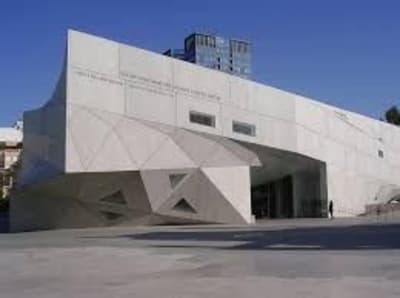
The Tel Aviv Museum of Art reflects the creative energy of the city itself, with major collections of Israeli, modern, and contemporary art in buildings that are part of the experience. A guided visit can focus on Israeli artists and the changing visual language of the country, international modern art, current exhibitions, photography, design, or the museum’s striking architecture. It works well as part of a wider Tel Aviv day, together with the White City, Neve Tzedek, Jaffa, or the city’s food and market scene. The museum offers a way to understand Tel Aviv not only as a beach city, but as one of the places where Israeli culture continues to be argued over, shaped, and made.
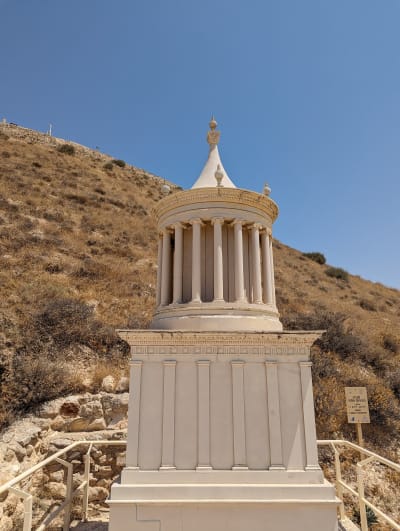
Herod’s Monument to Himself - Herodion
SuggestedPrice on request
King Herod (ruled 37 BCE – 4 CE) was one of the cruelest rulers of Eretz Yisrael of all time, but he was also a master builder. The Temple Mount (Har HaBayit), Masada and Caesarea are among his most famous accomplishments. But the monument that he built and named for himself in the Judean Desert is nothing short of awesome. He even built the infrastructure for his own royal funeral. From a distance Herodion (or Herodium) looks like a flat-top mountain, but it’s really an artificial cone! The palace and bathhouse built inside the structure are marvelous, as is the public room which was used as a synagogue by Jewish rebels during the revolts against Rome. Newly opened to the public is the theatre and access to where Herod’s tomb was found. Particularly cool are the huge underground cisterns, and hideout caves, that we will wall through. In short, this is a tour not to be missed. Notes: Terrific for children and adults; requires a lot of walking uphill and climbing stairs. TOUR LENGTH: 3 hours on-site MEETING POINT and ENDING POINT: Herodion National Park (upon request, we can arrange for a meeting point on Derekh Hevron in Jerusalem) PRICE (total per group): ₪800 (~$250) NOT INCLUDED in the PRICE: Entrance fees for Herodion (₪29 per adult; ₪15 per child; ₪25 for student with ID; ₪15 for senior citizen with ID)
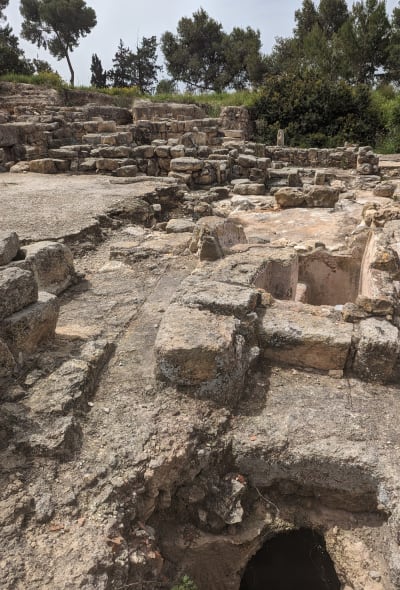
Yodfat & Tzipori: Jewish History and Cultural Encounters in the Galilee
SuggestedPrice on request
As an Israeli-American who has called Israel home for the past 20 years, I bring a unique perspective to guiding visitors through the fascinating history and landscapes of the Galilee. My tours of Yodfat and Tzipori offer more than an exploration of ancient ruins—they are an opportunity to connect the past with the present and to better understand the people, cultures, and stories that have shaped this land. At Yodfat, we explore the dramatic story of the Jewish revolt against Rome and the courage, struggles, and choices of the people who lived here nearly 2,000 years ago. At Tzipori, we discover a remarkable center of Jewish life and culture during the Roman and Byzantine periods, where Jewish tradition, Roman influences, and the wider Mediterranean world intersected. My background allows me to bridge the perspectives of American and Israeli visitors. Having grown up in the United States and built my life in Israel, I understand the questions, assumptions, and cultural differences that can shape how people experience this country. I can help American visitors see Israel beyond the headlines, while offering Israelis a fresh perspective on how their history and society may be understood by people from abroad. As a licensed Israeli tour guide with a passion for nature, ancient history, and the complexities of Israeli society, I aim to make history accessible, engaging, and relevant. Through storytelling, thoughtful questions, and connections between ancient and modern life, I invite visitors to experience the Galilee not simply as a place to see, but as a place to understand. Whether exploring the resilience of the Jewish people at Yodfat or the rich cultural encounters of Tzipori, my goal is to create meaningful experiences that deepen understanding, spark curiosity, and bring the history of Israel to life.
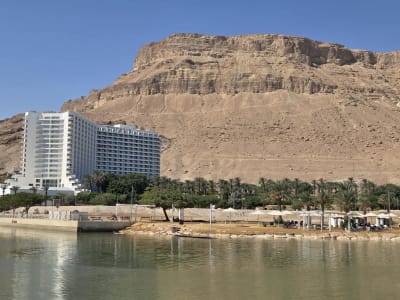
Мёртвое море и Масада: история и природа Иудейской пустыни
SuggestedPrice on request
Приглашаю вас провести день в Иудейской пустыне, где древняя история соседствует с необычными пейзажами. Мы поднимемся на Масаду, познакомимся с оазисом Эйн-Геди и оставим время для отдыха у Мёртвого моря. На Масаду поднимемся по канатной дороге. Наверху увидим остатки дворцов Ирода, древние сооружения и следы римской осады. Поговорим об истории крепости и посмотрим на пустыню и Мёртвое море с вершины скалы. В Эйн-Геди запланируем прогулку среди источников и зелени. Длину пешеходной части подберём по погоде, доступности троп и возможностям участников. Затем отправимся к Мёртвому морю, где можно отдохнуть на оборудованном пляже и зайти в воду. Программу можно изменить: провести больше времени на Масаде или сократить прогулку ради отдыха у моря. Посещение Кумрана возможно дополнительно, если позволит время и вам будет интересно. В программе: • Дорога через Иудейскую пустыню. • Масада с подъёмом по канатной дороге. • Оазис Эйн-Геди, при доступности выбранного маршрута. • Отдых и купание в Мёртвом море. Продолжительность: полный день. Формат: индивидуальная экскурсия на русском языке. Нагрузка: средняя; учитываем жару и выбранную длину прогулки. Время выезда и порядок остановок согласуем заранее. Возьмите головной убор, солнцезащитный крем, воду, удобную обувь, купальные принадлежности и полотенце. Билеты на Масаду, канатную дорогу и в заповедник, а также обед оплачиваются отдельно. Напишите мне дату, место выезда и состав группы. Вместе подберём программу и согласуем транспорт и стоимость.
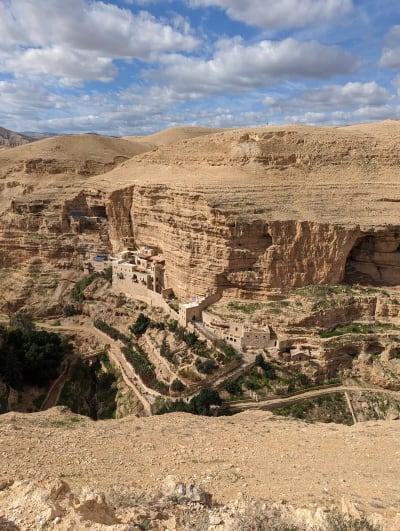
The Judean Desert – Land of Ancient Monasteries
SuggestedPrice on request
Journey into the Judean Desert and discover a landscape shaped by cliffs, caves, silence, and centuries of spiritual searching. Beyond Jerusalem, early Christian monks came to these isolated places seeking solitude, prayer, and a different way of life. As we travel through the desert, we will follow their stories and explore how communities survived in such demanding surroundings. How did monks find and store water, grow food, prepare bread, and organise their days? Viewpoints and possible visits can reveal the practical world behind monastic life, including cisterns, bakeries, dining halls, agriculture, worship, and strict daily routines. Depending on access arrangements and the route selected, we might encounter monasteries such as St George’s or Mar Saba and observe how their buildings became part of the cliffs themselves. The desert landscape is not simply a backdrop. It helps explain why these places were chosen and how the communities developed. The experience can be adapted to your interests and preferred pace, with greater emphasis on early Christianity, monastic life, desert landscapes, architecture, or the practical challenge of building communities in isolation. The sites mentioned are possibilities, and the final route will be planned according to current access and conditions.
Jerusalem: The Old City, the Quarters, and the Temple Mount
SuggestedPrice on request
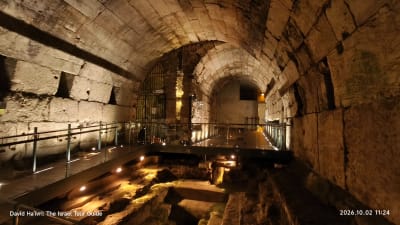
Within the sixteenth-century Ottoman walls of the Old City lies one of the most contested, densely layered urban landscapes on earth. While commonly divided into four distinct quarters, the living reality on the ground is an intricate mosaic of ancient history, theological claims, political tension, and daily coexistence. This field study cuts through standard tourist cliches to deliver an objective, deep-level examination of urban archaeology, living faith communities, and modern geopolitical realities. 1. The Temple Mount: Epicenter of Faith and Geopolitics The Sacred Esplanade: Enter the Mount during designated visiting hours for non-Muslims. We examine the monumental Herodian foundations, early Umayyad architecture, Crusader alterations, and Ottoman decorative work. The Strategic Flashpoint: Analyze the complex status quo governing the plateau, the role of the Jordanian Waqf, the Israeli security apparatus, and the competing religious narratives surrounding Mount Moriah, the First and Second Temples, and the Al-Aqsa compound. 2. The Four Quarters: Sacred Topography and Living Communities The Jewish Quarter: Walk through ancient history and modern renewal. Trace the archaeological sequence from the First Temple Broad Wall and Herodian aristocratic mansions to the Byzantine Cardo, the historic Sephardic synagogues, and the Western Wall. The Christian Quarter: Navigate the bustling alleyways leading to the Church of the Holy Sepulchre. Examine the complex custody arrangements shared by the Greek Orthodox, Roman Catholic, and Armenian Apostolic churches, alongside smaller Eastern traditions that maintain a presence at the site of the crucifixion and tomb of Jesus. The Muslim Quarter: Experience the largest and most populous sector of the Old City. Walk the ancient market streets, inspect monumental Mamluk facades with their intricate stonework and stalactite vaults, and observe the vibrant pulse of local commerce. The Armenian Quarter: Discover the history of the oldest diaspora community in Jerusalem. Understand how this distinct enclave has preserved its language, unique script, tile-making heritage, and monastic traditions behind high stone walls since the fourth century. 3. Fortifications, Gates, and Urban Infrastructure Walls and Gates: Study the military engineering of Suleiman the Magnificent, the historical defense strategies of the city, and how ancient gate complexes regulated trade, defense, and pilgrims for millennia. Underground Jerusalem: Explore ancient water systems, subterranean streetscapes, and bedrock foundations that reveal how layers of destruction and rebuilding created the elevated street level seen today. --- Planning Your Exploration Navigating the Old City requires deliberate planning, physical readiness for extensive stone steps and uneven surfaces, and strict adherence to the operational hours and security protocols of the Temple Mount. This master overview serves as a comprehensive framework. We can focus on specific theological routes, prioritize underground archaeological excavations, or build a balanced single-day or multi-day survey aligned with your background and historical interests.

Zippori National Park
SuggestedPrice on request
Zippori, also known as Sepphoris, was an important Jewish and Roman city in the Lower Galilee. It was home to a mixed population, rich artistic traditions, and one of Israel’s finest collections of ancient mosaics. The site is especially associated with Rabbi Yehuda HaNasi and the compilation of the Mishnah. Its streets, villas, synagogue, theatre, and water system show how Jewish life developed in the Galilee under Roman rule. The story of Zippori is about Jewish life in a Roman city: tradition adapting to a changing world, while scholars, craftsmen, landowners, and families shared the same streets with their neighbours.
Museum of Islamic Art
SuggestedPrice on request
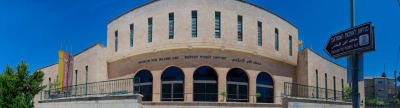
The Museum of Islamic Art in Jerusalem offers a focused introduction to Islamic art, culture, science, and craftsmanship across many regions and centuries. Its collection includes ceramics, metalwork, textiles, jewellery, manuscripts, weapons, and scientific instruments. The museum also holds the rare collection of clocks assembled by Sir David Salomons, including works associated with the French royal clockmaker Abraham-Louis Breguet. The story told through the collection is one of exchange rather than separation, with artistic styles, scientific ideas, materials, and skilled craftspeople moving across the Islamic world and between East and West.
Everyone’s Jerusalem: A Cosmopolitan Overview
SuggestedPrice on request
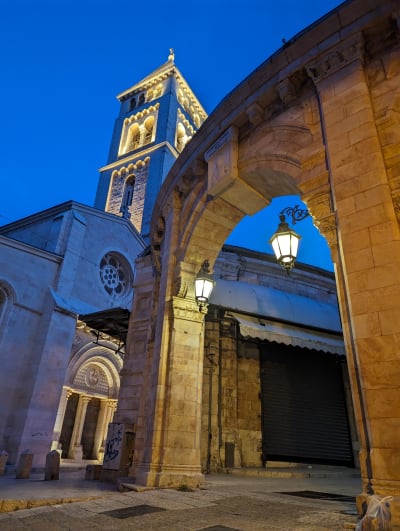
The Old City of Jerusalem (Tour #3.10) A full-day walking tour emphasizing Jerusalem as sacred to three major religions: Judaism, Christianity and Islam. The tour is organized “topographically,” in that we begin at the highest point of the city and work our down way the hills. Starting at the Jaffa Gate we ascend to the top of the Tower of David Museum for a breathtaking overview of the whole city. In the Christian Quarter we learn about the different denominations (Roman Catholic, Greek Orthodox, Armenian, Greek Catholic…) who established their presence in the quarter – as well as elsewhere in the city. We will visit the Church of the Holy Sepulcher and discuss its historicity. After a break for lunch in the Jewish Quarter we will visit the quaint Old Yishuv Court Museum to see what life was like in the Jewish Quarter up until 1948. We will also tour the rebuilt Hurva Synagogue before descending to the Kotel: the Western Wall. Notes: Modest clothing is required. The tour will include entering churches. TOUR LENGTH: 5 to 7 hours (excluding breaks) MEETING POINT: Jaffa Gate ENDING POINT: The Kotel (Western Wall) – Dung Gate PRICE (total per group): ₪1300 (~$405) Entrance Fees NOT INCLUDED in the PRICE: Tower of David Museum: ₪10 per person Old Yishuv Court Museum: ₪20 per adult; ₪10 per senior citizen or child (to age of 18); ₪50 for family (parents + children up to 18 yrs old) Hurva Synagogue: ₪14 per adult; ₪7 per child

Mitzpe Ramon Visitor Center
SuggestedPrice on request
At the edge of Makhtesh Ramon, the Mitzpe Ramon Visitor Center looks out across one of Israel’s most dramatic desert landscapes. The centre introduces the formation of the makhtesh, the geology and wildlife of the Negev, and the story of Ilan Ramon, Israel’s first astronaut. It is a useful starting point before walking along the crater rim, travelling down into the makhtesh, or continuing toward Avdat and the desert highlands. The visitor centre brings together two very different scales of time: the life of one astronaut and a desert landscape shaped over millions of years by water, rock, erosion, and climate.
Tower of David Jerusalem Museum
SuggestedPrice on request
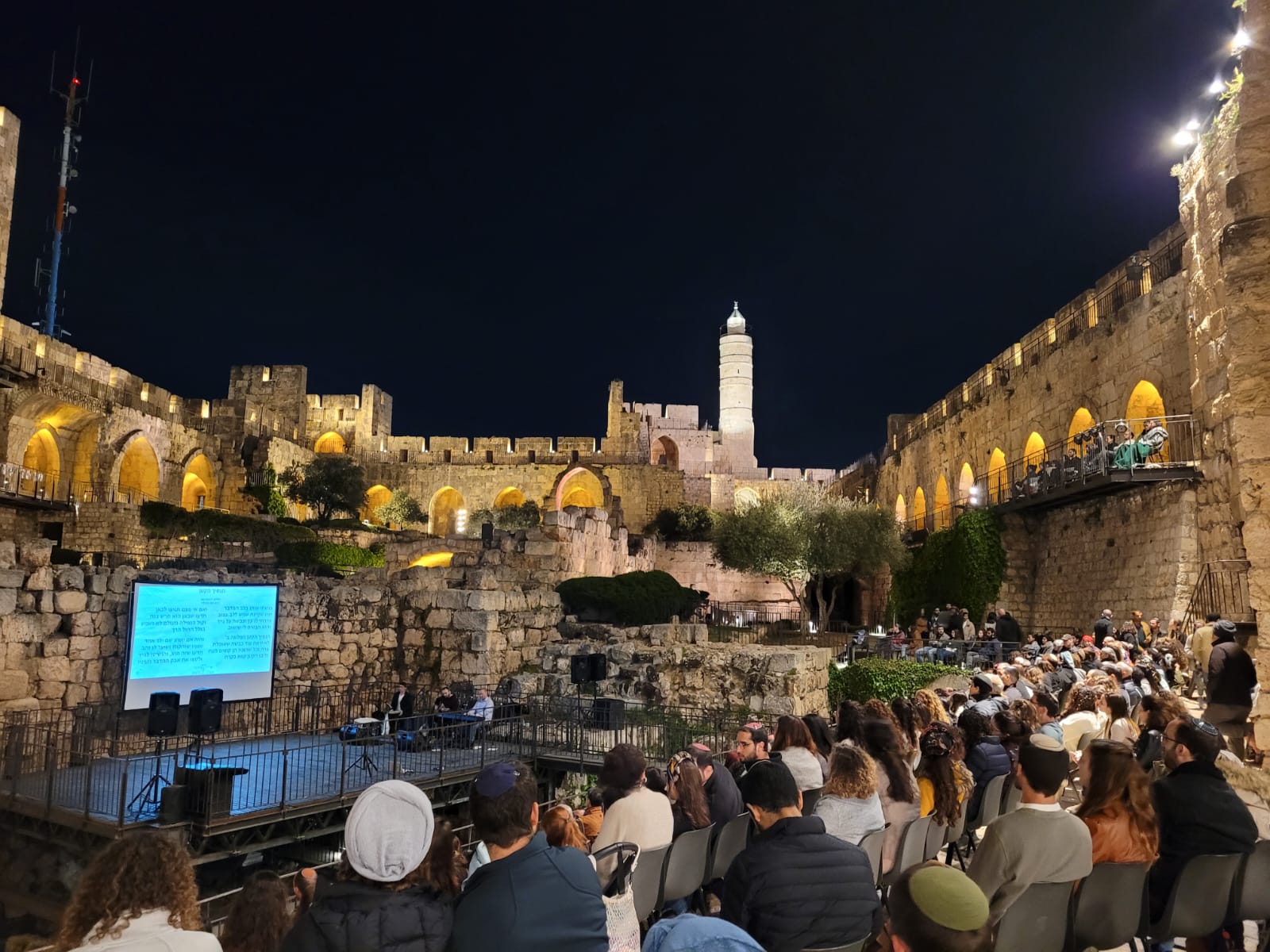
The Tower of David stands beside Jaffa Gate, at the meeting point of Jerusalem’s Old City walls, markets, quarters, and main historical routes. The museum traces Jerusalem’s story through the city’s many rulers, faiths, communities, and transformations. A guided visit can serve as a strong introduction to the Old City before exploring its streets, churches, synagogues, mosques, and archaeological sites. The story of the Tower of David is the story of Jerusalem itself: no single ruler, faith, or community owns its past, yet each has left a lasting claim on the city’s stones and memory.
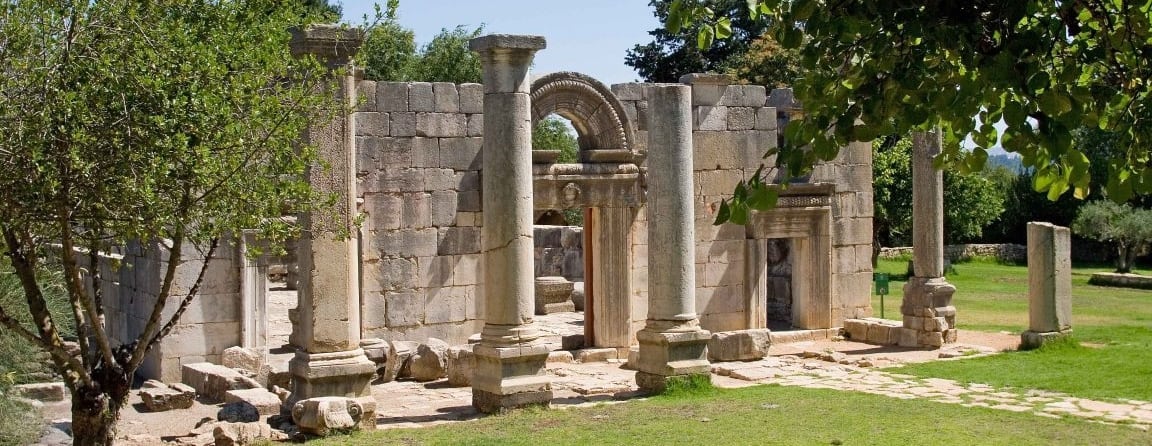
Baram National Park
SuggestedPrice on request
In the hills near Israel’s northern border, Bar’am preserves the remains of a Jewish village from the Roman and Byzantine periods. Its synagogue, built from large dressed stones, is one of the most impressive in the Galilee. The site is small, quiet, and full of detail. A visit opens a window onto Jewish life in the Galilee after the destruction of the Second Temple, when villages, scholars, and synagogues helped shape a new religious and cultural centre. The synagogue is a reminder that Jewish life did not end with the destruction of Jerusalem, but found new centres of learning, prayer, and community in the Galilee.

Yehiam Fortress National Park
SuggestedPrice on request
Yehiam Fortress stands on a hill in the western Galilee, above a wooded valley and within the grounds of Kibbutz Yehiam. Its ruins combine a Crusader stronghold, later Ottoman buildings, and the story of a Jewish community that defended the site during the 1948 war. A private visit can explore the fortress walls, towers, vaulted halls, mosque, and the landscape around it. The setting offers wide views toward the western Galilee and the Mediterranean, while the buildings show how each period adapted the same strategic hilltop to its own needs. The larger story is one of repeated return. Crusaders built here to control the region, Ottoman rulers reshaped the site, and in the twentieth century a new kibbutz community made the ruined fortress part of its own struggle to remain in the Galilee.

Eilat Coral Reef Snorkeling and Diving
SuggestedPrice on request
The Red Sea at Eilat offers clear water, coral reefs, and colourful marine life just beyond the shore. It is one of Israel’s most distinctive natural experiences. A day can be planned around snorkeling, an introductory dive, or a more advanced diving experience, depending on your level and the conditions. Above water, Eilat also offers desert mountains, sea views, and a very different side of Israel. The story beneath the water is of a fragile reef at the meeting point of desert and sea, part of a wider Red Sea environment shared across borders and dependent on careful protection.
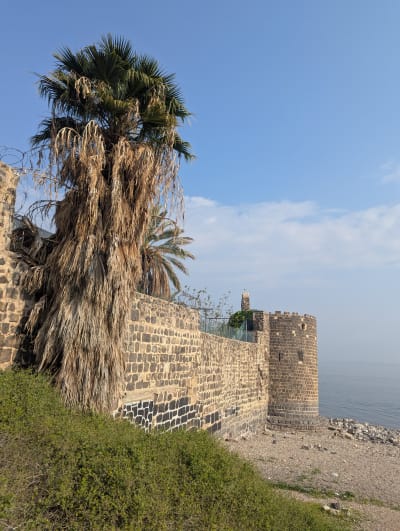
Hamat Tiberias & Tiberias: Sages, Synagogues & Hot Springs
SuggestedPrice on request
Tiberias grew beside the Sea of Galilee as a Roman city, a centre of Jewish learning, and a place known for its hot springs. Hamat Tiberias preserves an ancient synagogue with one of Israel’s most important mosaic floors. A private visit can include the synagogue mosaic, the hot springs area, the lakeshore, tombs of Jewish sages, and a wider exploration of Tiberias’s role in the development of rabbinic Judaism. The story of Tiberias is about adaptation. A city founded in the Roman world became a major Jewish centre after the destruction of Jerusalem, helping preserve and shape traditions that would travel far beyond the Galilee.
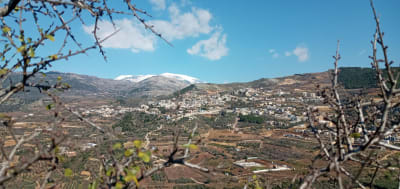
עין קנייא ומג׳דל שמס – מסע בין תרבות, טבע וטעמים
SuggestedFrom ₪1000 per group
בואו להכיר את צפון הגולן דרך שני כפרים דרוזיים, הסיפורים של האנשים שחיים בהם, המסורת המקומית, החקלאות והנופים למרגלות החרמון. הסיור מתחיל ליד גשר הידידות בעין קנייא, עם קפה, היכרות ותצפית על סביבת נחל סער. משם נמשיך לסיור רגלי בכפר, בסמטאותיו ובאתרי המורשת שלו, ונכיר מקרוב את אורח החיים והתרבות הדרוזית. נבקר בבית בד ונכיר את מסורת הפקת שמן הזית. בהמשך ניסע למג׳דל שמס, נעצור באתר ההנצחה לזכר הילדים והנערים שנהרגו באסון מגרש הכדורגל, נמשיך לעמק היעפורי ונכיר את אזור מטעי התפוחים והחקלאות המקומית. בהתאם לתיאום ולזמן, נסיים בביקור בשוק החקלאים ובטעימת כנאפה. זהו סיור שמשלב טבע, מורשת, חקלאות, סיפורים מקומיים וטעמים – עם מדריך שמכיר את האזור מבפנים. מה מחכה לכם בסיור? קפה ומפגש פתיחה ליד גשר הידידות. סיור רגלי בעין קנייא, כולל הכנסייה והח׳לווה, בהתאם לתיאום. ביקור בבית בד והיכרות עם מסורת שמן הזית. ביקור באתר ההנצחה במג׳דל שמס. נופי עמק היעפורי ומטעי התפוחים. שוק מקומי וכנאפה, בהתאם לזמן ולזמינות. למי הסיור מתאים? למשפחות, קבוצות חברים, קבוצות מטיילים, ארגונים, צוותים ולקבוצות המעוניינות להכיר את התרבות והנוף של צפון הגולן בצורה אישית ומעמיקה.
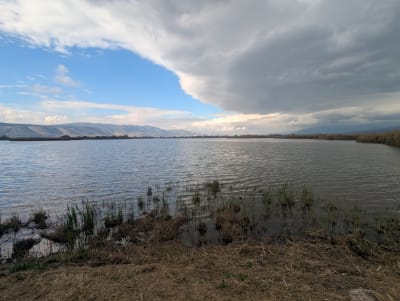
Hula Valley: Wetlands & Bird Migration
SuggestedPrice on request
The Hula Valley lies between the Upper Galilee and the Golan Heights, on one of the world’s great bird migration routes between Europe, Asia, and Africa. A private visit can focus on seasonal birdlife, wetlands, cranes, raptors, water buffalo, the history of the drained and restored Hula Lake, and views toward Mount Hermon. It can be adapted for serious birdwatchers, photographers, families, or travellers interested in conservation. The Hula tells a modern environmental story: wetlands were drained in the name of development, then partly restored when people realised how much life, water, and ecological balance had been lost.
Mount Gerizim: Samaritan Heritage Above Nablus
SuggestedPrice on request
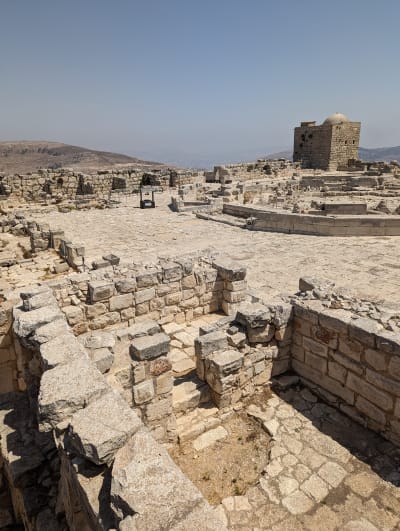
Mount Gerizim rises above Nablus and is the spiritual centre of the Samaritan community, one of the world’s smallest and oldest living religious groups. A private visit can explore the Samaritan sacred area, archaeological remains, viewpoints over Nablus and the surrounding hills, and the traditions that distinguish Samaritan belief and practice from Judaism and Christianity. It may be combined with a visit to the Good Samaritan Museum or a wider Samaria route. Mount Gerizim opens a lesser-known chapter of the biblical world: a community that shares ancient roots with Judaism, yet has preserved its own Torah, priesthood, sacred mountain, and way of life for more than two millennia.
Jaffa: Ancient Port, Arab Heritage & Tel Aviv’s Beginning
SuggestedPrice on request
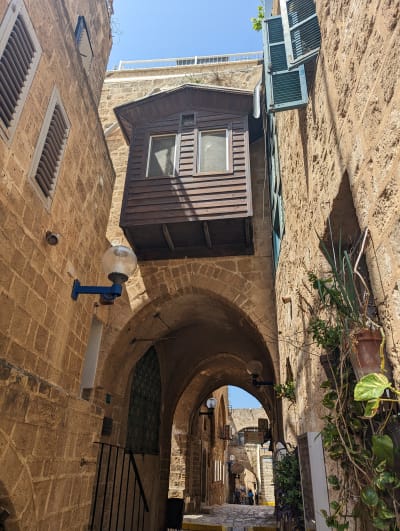
Jaffa is one of the oldest ports on the Mediterranean, with a long history of trade, pilgrimage, conquest, and local Arab life. Its old lanes, harbour, churches, mosque, flea market, and sea views offer a different perspective on the Tel Aviv coast. A private walk can focus on Jaffa’s biblical and Christian traditions, Ottoman and Arab heritage, food, local markets, contemporary art, or the relationship between Jaffa and the newer city of Tel Aviv beside it. Jaffa’s story is one of continuity and change. An ancient port has remained a place of arrival, while the city around it has been reshaped by trade, migration, conflict, tourism, and the rise of Tel Aviv.
In the Footsteps of the Sanhedrin - Bet Shearim and Zippori
SuggestedPrice on request
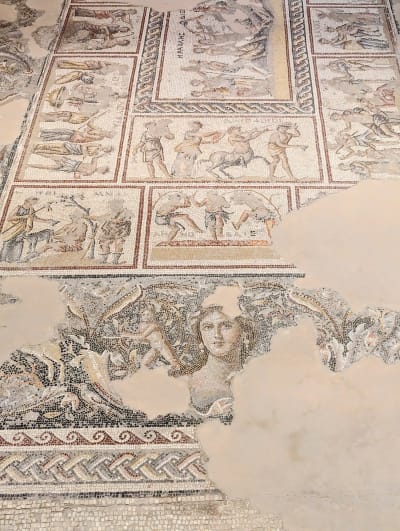
The Talmud (Rosh Hashana 31a-b) tells us that the Sanhedrin, the high court of Jewish law, was exiled from its locations in Jerusalem to Yavne and from there it moved to the Galilee. Its last three stops were Bet Shearim, Zippori (Tzippori, Sepphris) and Tiberias. We will tour two of those places with their magnificent remains, each with its own character. In Bet Shearim we will explore burial tombs from the time of the Talmud (perhaps even the burial tomb of Rabbi Yehuda Hanassi). In Zippori, which is very extensive, we will see the remains of a Roman theatre, a plethora of mosaic floors – including a synagogue floor, humongous water reservoirs and much more. In both national parks our tour will be accompanied by Rabbinic texts that will help us understand the important roles that they played in the rich Jewish life that developed in the Galilee after the Bar Kochba revolt (135 CE). TOUR LENGTH: ~6 hours (excluding breaks) MEETING POINT: Bet Shearim National Park (~10:15am) ENDING POINT: Zippori National Park (at closing time) PRICE (total per group): ₪1300 (~$405) Entrance Fees NOT INCLUDED in the PRICE: Bet Shearim National Park: ₪22 per adult; ₪9 per child; ₪19 for student (with ID); ₪11 for senior citizen Zippori National Park: ₪28 per adult; ₪14 per Child; ₪24 for student (with ID); ₪14 for senior citizen
Las colinas de Judea, tierra de cuevas
SuggestedPrice on request
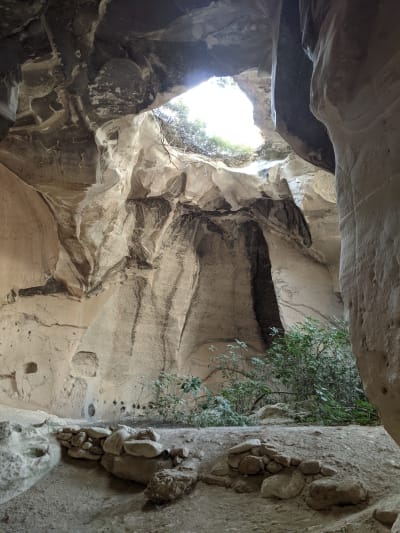
Descubre las estribaciones de Judea con Eli Romanovsky en un día privado entre paisajes bíblicos, ciudades antiguas y mundos escondidos bajo tierra. Podemos comenzar con la vista desde Tel Azekah sobre el valle de Elah, tradicionalmente relacionado con la historia de David y Goliat. Desde allí, continuaremos hacia Beit Guvrin, donde generaciones de habitantes excavaron viviendas, sistemas de agua, cámaras funerarias, talleres y refugios en la roca caliza blanda. Las cuevas de Beit Guvrin revelan un mundo que resulta fácil pasar por alto desde la superficie. Podremos caminar por antiguas cámaras, columbarios, cisternas, cuevas pintadas y pasadizos que cuentan la historia de la vida en esta región a lo largo de muchos siglos. Para quienes prefieren una experiencia más activa, el recorrido puede incluir un complejo de escondites de la época de Bar Kojba. Otras posibilidades son visitar una granja de cabras y participar en un taller de elaboración de queso, conocer la Cueva de las Estalactitas de Avshalom o añadir una actividad relacionada con la seguridad y la defensa personal. El recorrido se puede adaptar a familias con niños, viajeros interesados en la historia bíblica o grupos que simplemente buscan un día variado fuera de Jerusalén.
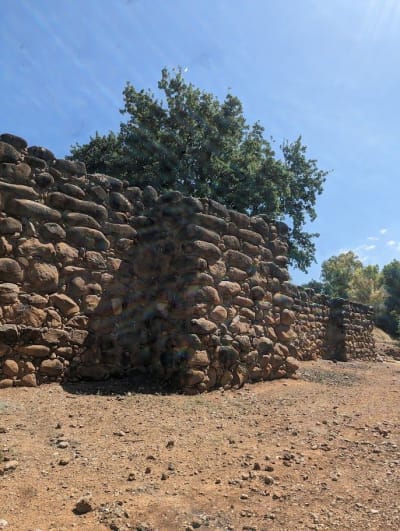
Tel Dan Nature Reserve
SuggestedPrice on request
Tel Dan is a place where archaeology and nature sit side by side. Clear water from one of the Jordan River’s main sources runs through a green reserve beneath the slopes of Mount Hermon. The walk can include ancient city gates, the remains of an Israelite cultic site, and the famous Tel Dan Stele, which contains one of the earliest known references to the “House of David.” The reserve also offers shaded paths and the sound of flowing water throughout the year. The story of Tel Dan is shaped by water and borders. A rich spring created a prosperous city, while its position at the northern edge of ancient Israel made it a place of power, conflict, and changing loyalties.
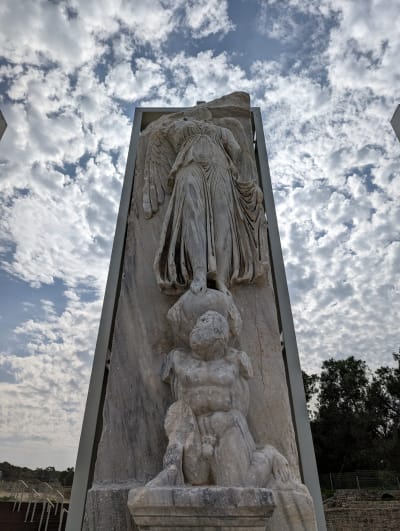
Ashkelon: Philistines, Sea & Ancient Cities
SuggestedPrice on request
Ashkelon combines a broad Mediterranean beach with the remains of one of the southern Levant’s oldest and most important cities. Canaanites, Philistines, Greeks, Romans, Byzantines, and later communities all left their mark here. A private visit can include the ancient city gates, earth ramparts, Roman and Byzantine remains, the coast, and the story of Ashkelon’s place in biblical and regional history. Ashkelon’s long story shows how a coastal city can be both local and international, shaped by the sea, trade, migration, and the powers competing for the southern Levant.
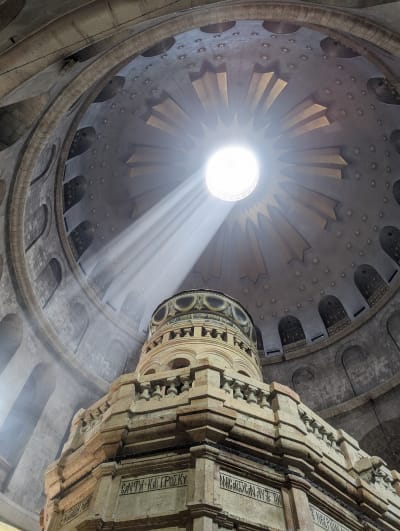
Church of the Holy Sepulchre & Christian Quarter
SuggestedPrice on request
Visit the Christian Quarter and the Church of the Holy Sepulchre, traditionally associated with the crucifixion, burial, and resurrection of Jesus. This is one of Christianity’s most important pilgrimage sites. A private walk can include the Via Dolorosa, the Church of Saint Anne, the Pools of Bethesda, the Ethiopian and Coptic chapels, and the busy lanes surrounding the church. It can focus on the Gospels, Christian pilgrimage, the church’s architecture, or the communities that share it. The Church of the Holy Sepulchre is also the story of Christian communities that have prayed, negotiated, protected, and sometimes competed over the same sacred space for centuries.
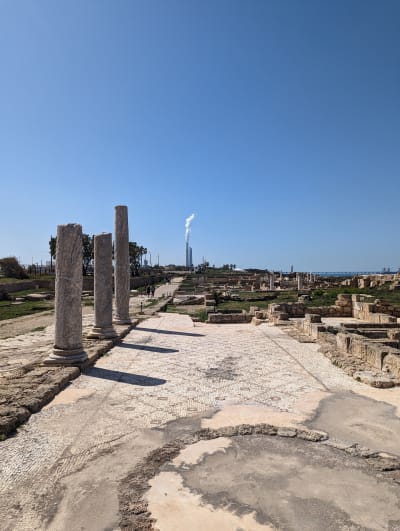
Caesarea: Rome, Herod & the Mediterranean
SuggestedPrice on request
Caesarea was built by King Herod as a grand Mediterranean port, with an artificial harbour, palace, theatre, hippodrome, temples, and aqueducts. Later, it became an important Roman, Byzantine, Crusader, and Ottoman centre. A private visit can focus on Herod’s ambition, Roman entertainment, the harbour city, early Christianity, or the changing role of the coast in the history of the region. Walk through the theatre, palace area, harbour, streets, and fortifications, then continue to nearby beaches, wineries, or historic towns if desired. Caesarea was built to announce power, connect Judea to Rome, and turn a difficult stretch of coast into a city facing the wider Mediterranean world.

Galilee Horseback Riding
SuggestedPrice on request
Explore the Galilee from a different perspective, following quiet paths through open hills, fields, woodland, and rural landscapes. A horseback ride can be a peaceful break from museums and cities, or part of a broader day in the north with local food, wineries, villages, and viewpoints. Routes vary by season, riding experience, and the stable’s location. The story is in the pace of the ride: the Galilee becomes less a list of places to visit and more a lived landscape of farms, orchards, villages, weather, and open country.
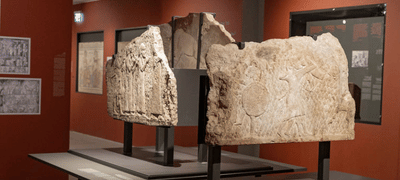
Bible Lands Museum
SuggestedPrice on request
The Bible Lands Museum presents the ancient cultures of the Near East: Egypt, Mesopotamia, Canaan, Persia, Greece, Rome, and the world of the Bible. The museum places biblical history within its wider regional setting. Its objects help show how people wrote, traded, worshipped, ruled, made art, and understood the world in the periods that shaped the biblical tradition. The story is not of one people in isolation, but of a shared ancient world in which ideas, gods, goods, and political power moved constantly between neighbouring cultures.
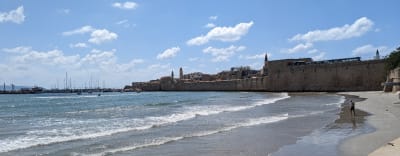
Acre: Crusaders, Markets & Sea
SuggestedPrice on request
Acre, also known as Akko, is one of the Mediterranean’s great historic port cities. Its Old City is a UNESCO World Heritage Site, with visible layers from the Crusader and Ottoman periods inside walls that still face the sea. A private walk can move through the underground Crusader city, including halls built for the Knights Hospitaller, then emerge into Ottoman markets, mosques, khans, sea walls, and the working harbour. There is room to focus on architecture, food, Jewish and Arab history, the Crusaders, the Ottoman city, or Acre’s relationship with the wider Mediterranean. After Jerusalem fell to Saladin in 1187, Acre became the capital of the Crusader Kingdom and the main Christian port in the Holy Land. Its story is about a city built around arrival: merchants, pilgrims, armies, refugees, spices, languages, and ideas all came through its harbour, leaving a city that still feels connected to the sea.
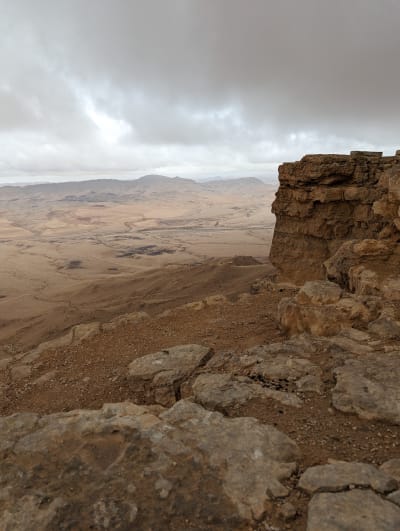
The Negev: Genesis Land
SuggestedPrice on request
Spend a day with Eli Romanovsky in the Negev, where ancient trade routes, deep geological time, and desert life come together. Begin at Avdat, a Nabataean city built along the ancient Incense Route. Its ruins tell the story of people who made a life in the desert through trade, farming, and careful control of water. Continue to Mitzpe Ramon and the Makhtesh Ramon, a vast erosion crater unlike any other landscape in Israel. Walk along the rim, travel down into the crater, and stop for short walks among coloured sands, fossil remains, and exposed rock formations. The day can be adapted to your interests. You may choose to visit a Bedouin tent for tea and a camel ride, learn about the makhtesh and astronaut Ilan Ramon at the Ramon Visitor Center, or spend time in Mitzpe Ramon’s Artists’ Quarter. This is a private day for travellers who want to experience the Negev through its nature, stories, and sense of space.
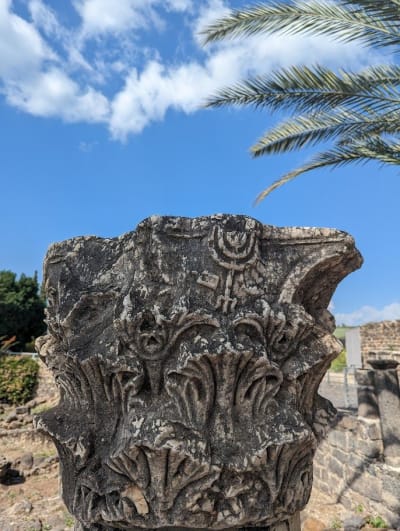
Capernaum (Kfar Nahum)
SuggestedPrice on request
On the northern shore of the Sea of Galilee, Capernaum was once a busy fishing village and an important centre of early Christianity. Walk among the remains of its ancient synagogue, homes, streets, and churches. The setting makes it easy to connect the site with the wider Galilee landscape of lakeshore villages, fishing, agriculture, and religious life in the first century. The story of Capernaum begins in an ordinary village, showing how the teachings and events that became central to Christianity unfolded among fishermen, families, traders, and synagogue communities on the lakeshore.
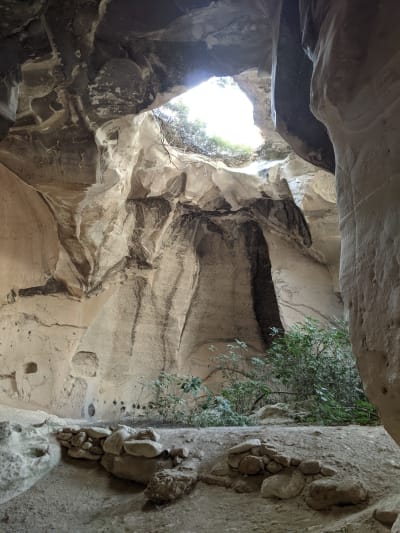
The Hills of Judea: Cave Land
SuggestedPrice on request
Explore the Judean foothills with Eli Romanovsky on a private day of biblical landscapes, ancient cities, and underground worlds. Begin with the view from Tel Azekah across the Elah Valley, traditionally associated with David and Goliath. From there, continue to Beit Guvrin, where generations of people cut homes, water systems, burial chambers, workshops, and hiding places into the soft limestone beneath the hills. The caves at Beit Guvrin reveal a world that is easy to miss from above ground. Walk through ancient chambers, columbaria, cisterns, painted caves, and passages that tell the story of life in the region over many centuries. For those who want a more active day, the tour can include a Bar Kokhba hiding complex. Other options include a goat farm and cheese-making workshop, the Avshalom Stalactite Cave, or a security and self-defence experience. This private tour can be shaped around your group, whether you are travelling with children, interested in biblical history, or simply looking for a varied day beyond Jerusalem.
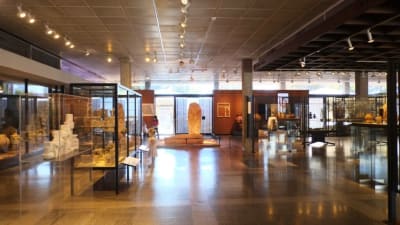
Eretz Israel Museum
SuggestedPrice on request
The Eretz Israel Museum, also known as MUZA, looks at the material culture of the Land of Israel through archaeology, crafts, design, coins, ceramics, and everyday objects. It is a museum for curious visitors who want to see how people made, traded, built, and lived in this part of the world. A guided visit can focus on ancient technology, local crafts, the history of Tel Qasile on the museum grounds, or changing ideas of Israeli culture and design. The story here is told through the things people made and used, showing how daily life, craft, technology, and beauty can reveal as much about a society as its kings and battles.
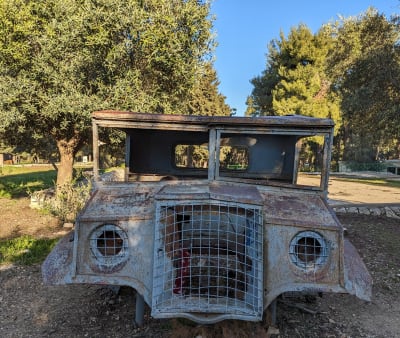
El camino hacia la independencia
SuggestedPrice on request
Sigue el camino a Jerusalén con Eli Romanovsky en un recorrido privado por los lugares y acontecimientos que marcaron la independencia de Israel. El recorrido puede comenzar en el Instituto Ayalon, donde una fábrica subterránea secreta produjo municiones durante los últimos años del Mandato Británico. Desde allí, viajaremos hacia Jerusalén siguiendo la historia de los convoyes que intentaron llevar alimentos, agua y suministros a la ciudad durante el sitio de 1948. En Shaar Hagai, la carretera se convierte en algo más que una vía entre Tel Aviv y Jerusalén. Es un lugar de memoria que cuenta la historia de los jóvenes que arriesgaron sus vidas para llegar a una ciudad aislada del resto del país. El día puede incluir un almuerzo en Abu Ghosh y una visita al Parque Nacional del Castel, escenario de una importante batalla por el control de la carretera a Jerusalén. Según tus intereses y el tiempo disponible, también podemos visitar la Casa Weizmann, el museo de las fuerzas blindadas de Yad LaShiryon o uno de los mercados de Jerusalén. Este recorrido privado está pensado para viajeros que desean comprender los acontecimientos de 1948 visitando los lugares donde ocurrieron. La ruta final se adaptará al ritmo, los intereses y las prioridades del grupo.

Yad Vashem
SuggestedPrice on request
Yad Vashem is Israel’s national centre for Holocaust remembrance, documentation, research, and education. A visit is personal, serious, and often emotionally demanding. A private guide can help create a focused visit through the Holocaust History Museum and the memorial spaces on the Mount of Remembrance. The experience can be shaped around family history, Jewish communities before the war, the story of rescue and resistance, the fate of children, or the wider history of the Holocaust. Beyond the history it records, Yad Vashem asks how individuals and societies remember, respond to persecution, and carry responsibility across generations.
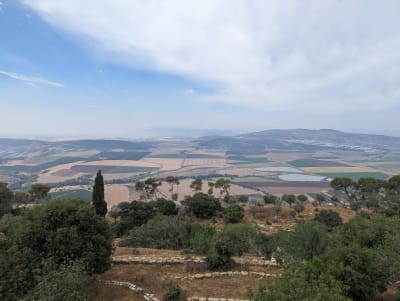
Across the Galilee by 4×4 with Morris Zemach
SuggestedPrice on request
Leave the main roads behind and discover the Galilee through its forests, valleys, villages, sacred places, and local food. Travelling by 4×4 allows us to connect landscapes and communities that many visitors pass by, creating a day that combines exploration with personal encounters. We might begin in the Bedouin village of Salame with breakfast and pita bread fresh from the tabun before continuing among the old olive trees of Nahal Tzalmon. From there, possible routes can lead towards the cliffs of Akbara, the orchards of Nahal Hamra, Birya Forest, or the hills above Nahal Dalton. Along the way, we can stop at places connected to the Galilee’s religious traditions, including the great pistachio tree near the tomb of Rabbi Tarfon in Kadita. Depending on the route and your interests, the journey might continue towards Mount Meron, Bar’am Forest, or Gush Halav, perhaps ending with a Lebanese-style meal. No two days need to be exactly alike. The route can be adapted to the season, road conditions, available time, and your preferred balance of off-road adventure, short walks, scenery, local food, village life, and stories from the Galilee.
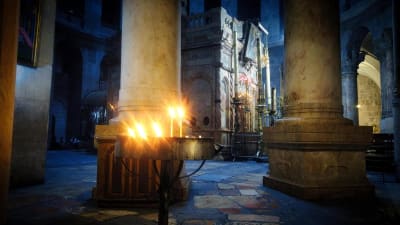
Иерусалим Христианский
SuggestedPrice on request
Приглашаю вас пройти по местам, связанным с последними днями земной жизни Иисуса Христа. Мы увидим Иерусалим с Масличной горы, спустимся к Гефсимании и продолжим знакомство с городом в его старых кварталах. На Виа Долороса поговорим о традиции Крестного пути и его остановках. В Храме Гроба Господня познакомимся с главными святынями и устройством храма, в котором соседствуют разные христианские конфессии. Затем отправимся на гору Сион, к Горнице Тайной Вечери и другим памятникам этого места. Я подстраиваю программу под интересы участников. Можно уделить больше внимания паломнической стороне поездки, истории города или отдельным святыням. Если вы путешествуете с детьми или пожилыми родителями, заранее обсудим темп и длину пешеходной части. В программе: • Панорама Старого города с Масличной горы. • Гефсиманский сад и базилика Всех Наций. • Виа Долороса. • Храм Гроба Господня. • Гора Сион и Горница Тайной Вечери. Продолжительность: ориентировочно 8–10 часов. Формат: индивидуальная экскурсия на русском языке. Нагрузка: средняя; на полном маршруте около 6–8 км пешком, есть ступени, подъёмы и мощёные улицы. Для посещения святынь нужна одежда, закрывающая плечи и колени. Возьмите удобную обувь и воду. Дату, место встречи, стоимость и транспорт согласуем заранее. Обед и платные входы, если они предусмотрены выбранной программой, оплачиваются отдельно. Напишите мне, кто едет с вами и что вам особенно интересно. Вместе выберем подходящий маршрут.

Tel Beer Sheva National Park
SuggestedPrice on request
Climb a reconstructed biblical town above the meeting point of desert wadis near modern Beersheva.
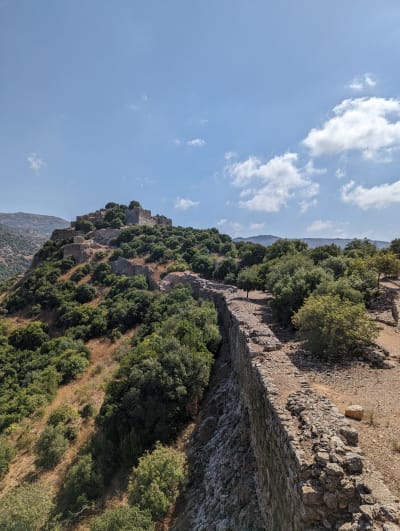
Nimrod Fortress: A Mountain Castle Above the Golan
SuggestedPrice on request
Nimrod Fortress stretches along a high ridge below Mount Hermon, with walls, towers, gates, and views over the Hula Valley and the northern Golan. A private visit can explore the fortress’s defensive architecture, water systems, inscriptions, and viewpoints. It can be combined with Banias, Tel Dan, a Golan day, or the road toward Mount Hermon. The fortress tells a medieval story of mountain routes, rival powers, and the need to control the approaches to Damascus. Its scale makes clear that the north was never a remote edge, but a strategic passage between regions.
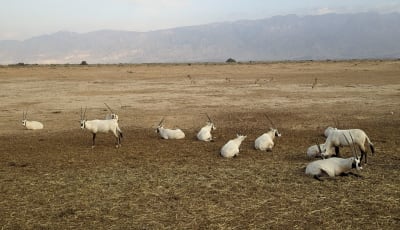
Yotvata Hai-Bar Nature Reserve
SuggestedPrice on request
Yotvata Hai-Bar is a desert wildlife reserve in the southern Arava, created to protect and reintroduce species that once lived in the region. A visit offers a chance to see animals such as Arabian oryx, Persian fallow deer, ostriches, and desert predators in wide open surroundings. It works well as part of a journey between Eilat, Timna Park, and the wider Negev. The reserve tells a hopeful but complicated story: animals that disappeared from the desert because of hunting, habitat loss, and human pressure are being given a chance to return. It asks visitors to see the Arava not only as a landscape to cross, but as an ecosystem that can be repaired and protected.
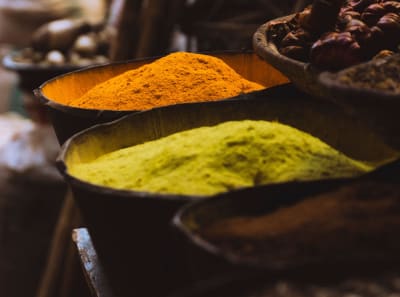
נתניה: טעמים, אמנות רחוב וסיפורים מקומיים
SuggestedPrice on request
בואו לגלות את נתניה דרך שילוב צבעוני של אמנות רחוב, טעמים מקומיים והסיפורים שמאחורי העיר. במהלך הסיור נבקר במוקדי גרפיטי ססגוניים ונמשיך אל השוק העירוני התוסס, שבו נפגוש את אחת מחוויות הקולינריה העשירות והטעימות בישראל. לאורך הדרך נכיר את האנשים, התרבויות והסיפורים היומיומיים שמאחורי הרחובות, ציורי הקיר ודוכני השוק. זוהי חוויה אותנטית, נעימה ומלאת צבע, המחברת בין אמנות, אוכל, מפגש אנושי והאופי הרב־תרבותי של נתניה. שמי מלסץ' גלה, מורת דרך מוסמכת המדריכה בשפות עברית ואמהרית. אני מזמינה אתכם להצטרף אליי לחוויות הדרכה ייחודיות, סיורי עומק מרתקים ומפגשים בלתי נשכחים ברחבי הארץ: טיולי נשים ייחודיים: חוויות מעצימות ומגבשות ברחבי הארץ, המשלבות טבע, תרבות, היסטוריה ואווירה נהדרת. ירושלים – בין עבר להווה: סיורים קסומים בסמטאות העיר, המחברים בין ירושלים של פעם לבין ירושלים התוססת של היום. זיכרון יעקב וגני הנדיב: סיור עומק היסטורי ורגשני בין סיפורי המושבה הראשונה, הארכיטקטורה הנוסטלגית והיופי המרהיב של גני הנדיב. נתניה – קולינריה, אמנות וסיפור מקומי: היכרות יוצאת דופן עם העיר נתניה, דרך סצנת אמנות הגרפיטי הססגונית וסיור קולינרי בשוק המקומי – מהשוקים הטעימים והעשירים בארץ! למי הסיורים מתאימים? כבעלת תעודת הדרכה מוסמכת לילדים ובני נוער, הסיורים שלי מותאמים במיוחד לכל המשפחה, לקבוצות, למוסדות ולקהלים מגוונים – תוך הנגשת התוכן בגובה העיניים ובחוויה חווייתית ומהנה לכל גיל.
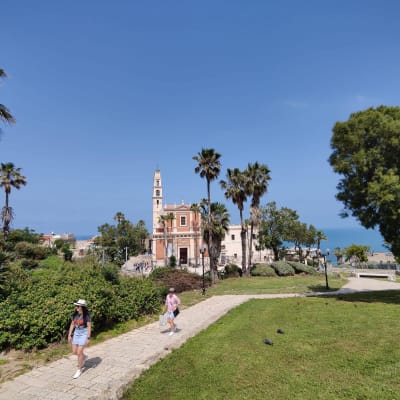
Тель-Авив и Яффо: старый порт, кварталы и город у моря
SuggestedPrice on request
Яффо и Тель-Авив совсем разные по характеру, хотя сегодня это один город. На этой экскурсии мы начнём у старого порта и постепенно перейдём от каменных переулков Яффо к бульварам, рынку и архитектуре современного города. В Яффо погуляем по старым улицам, увидим церковь Святого Петра и посмотрим на побережье с высоты холма. Затем отправимся в Неве-Цедек с его невысокими домами, небольшими галереями и тихими двориками. На бульваре Ротшильда поговорим о становлении Тель-Авива и истории независимости Израиля. Познакомимся с архитектурой Белого города, а на рынке Кармель сделаем остановку среди прилавков со специями, фруктами и местной едой. Завершить прогулку можно у моря. Программу подстрою под ваши интересы: можно уделить больше времени истории, архитектуре, рынку или прогулке по кварталам. Гастрономические остановки добавим по желанию. В программе: • Старый Яффо и порт. • Неве-Цедек. • Архитектура Белого города. • Бульвар Ротшильда. • Рынок Кармель. • Набережная. Продолжительность: ориентировочно 5–6 часов. Формат: индивидуальная экскурсия на русском языке. Нагрузка: преимущественно лёгкая; в Яффо есть подъём. Длину пешей части и переезды согласуем под вашу группу. Возьмите удобную обувь, воду и головной убор. Обед, дегустации и возможные музейные билеты оплачиваются отдельно. Напишите мне, что вам интереснее: старый город, архитектура или местная жизнь. Дату, место встречи, транспорт и стоимость согласуем заранее.
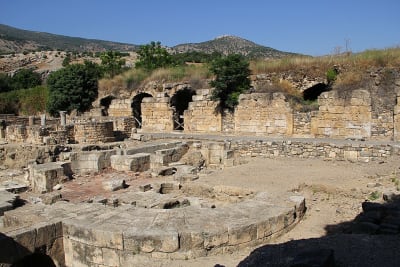
Sources of the Banias – Waters and Faith: Cult, Myth, and Nature
Suggested$450 per group
A special tour in the Upper Banias Nature Reserve, nestled between the temples of Pan and the sources of the Jordan River. We will discover the site's importance as a pagan place of worship, learn about the origins of Christianity at the site, and enjoy lush nature and flowing water. A journey between myth, faith, and landscape – from the sources of faith to the sources of water.
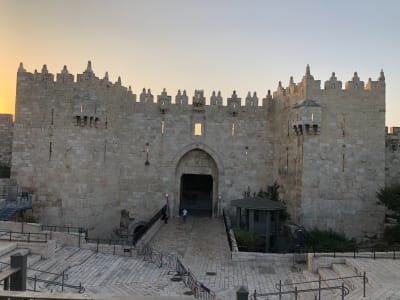
Islam in Jerusalem
SuggestedPrice on request
We will start in Temple Mount, see the mosques (from outside) and continue to the markets of the Muslim quarters. After a brake we will climb up to the wall of the old city and walk from Jaffa gate to Damascus gate.
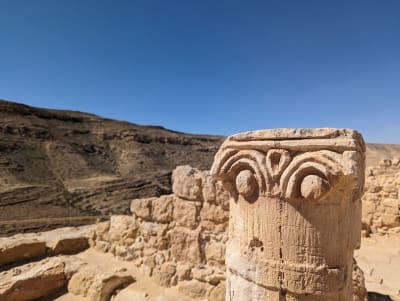
Mamshit National Park
SuggestedPrice on request
Mamshit is one of the most atmospheric Nabataean cities in the Negev. Its stone houses, streets, churches, and caravanserai tell the story of a place that grew wealthy from desert trade. A visit brings the Spice Route to life. Merchants once crossed these harsh landscapes with spices, perfumes, and goods from Arabia and the East, turning remote desert stops into thriving towns. Mamshit reveals the Negev as a crossroads rather than a frontier, where distant worlds met through trade, movement, and the knowledge needed to live in an unforgiving environment.
Gamla: Jewish Resistance & Golan Landscapes
SuggestedPrice on request
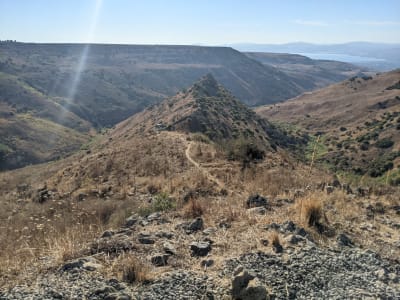
Gamla stands on a steep ridge in the southern Golan, above a deep gorge and near one of Israel’s highest waterfalls. The ruins include an ancient Jewish town, synagogue, defensive walls, and the remains of a city destroyed during the Great Revolt against Rome. A private visit can combine archaeology, views, a walk to the waterfall, birdwatching, and the story of Jewish resistance in the first century CE. The route can be tailored for history, hiking, nature, or a broader Golan day. Gamla’s story is about a community caught between local identity and imperial power, with the steep landscape becoming both a refuge and a trap during Rome’s campaign in the Galilee and Golan.
Nazareth: Churches, Market Life, and Local Flavours, with Morris Zemach
SuggestedPrice on request
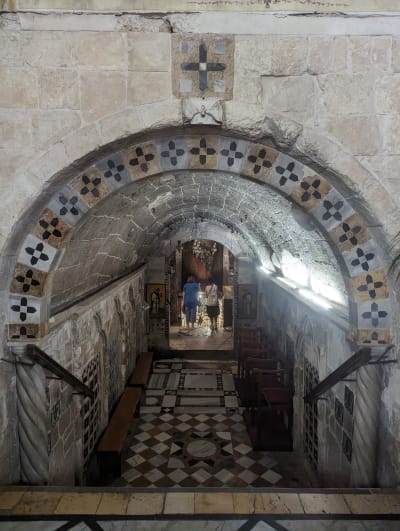
Discover Nazareth through its sacred places, lively streets, local flavours, and the people who give the city its character. We might begin from a viewpoint above Nazareth, taking in the city before descending into its historic centre and exploring it on foot. Depending on your interests, our route can include the Church of the Annunciation, St Gabriel’s Church, and the Synagogue Church. Along the way, we will explore the Christian traditions associated with these places and discover how faith, history, and everyday life continue to meet in modern Nazareth. Beyond the churches, we can wander through the market, pause for local food, and experience the rhythms of daily life in the city. When arranged in advance, there may also be an opportunity to enter a nineteenth-century private home and see its remarkable painted ceilings. Travellers interested in archaeology and ancient art can consider combining Nazareth with the mosaics of nearby Zippori. These are possibilities rather than a fixed itinerary. The tour can be tailored around your interests, available time, preferred pace, and whether you would like to focus on Christian heritage, local culture, food, history, or a little of everything
El Néguev, tierra del Génesis
SuggestedPrice on request
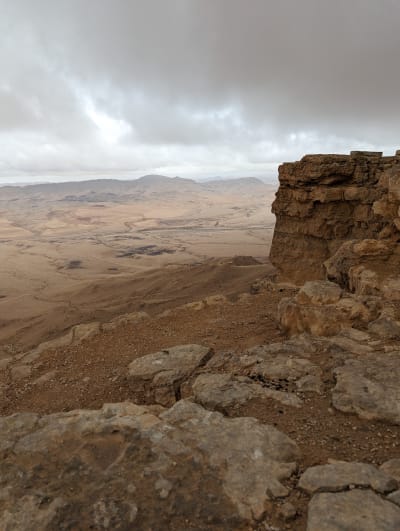
Pasa un día con Eli Romanovsky en el Néguev, donde se encuentran antiguas rutas comerciales, formaciones geológicas, historias humanas y formas de vida adaptadas al desierto. Podemos comenzar en Avdat, una antigua ciudad nabatea construida junto a la Ruta del Incienso. Sus ruinas cuentan la historia de comunidades que aprendieron a vivir en el desierto gracias al comercio, la agricultura y un cuidadoso aprovechamiento del agua. Desde allí, podemos continuar hacia Mitzpé Ramon y el majtesh Ramon, un enorme cráter de erosión y uno de los paisajes más singulares de Israel. Podemos caminar por el borde, descender al interior del cráter y realizar paseos cortos entre arenas de diferentes colores, fósiles y formaciones rocosas expuestas. El día puede adaptarse a tus intereses. Podemos visitar una tienda beduina para tomar té y montar en camello, conocer la formación del majtesh y la historia del astronauta Ilan Ramon en el Centro de Visitantes Ramon, o recorrer el Barrio de los Artistas de Mitzpé Ramon. Este recorrido privado es ideal para quienes desean experimentar el Néguev a través de su naturaleza, sus historias y su inmensa sensación de espacio.
Beit She'an National Park
SuggestedPrice on request
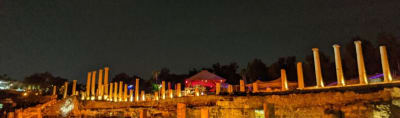
Beit She’an is one of Israel’s most impressive archaeological sites. Once a major Roman and Byzantine city, it has broad streets, bathhouses, temples, theatres, shops, and public spaces that make the scale of ancient urban life easy to imagine. A private visit can focus on the city’s Roman grandeur, its earlier biblical history, daily life in the Byzantine period, or the dramatic earthquake that brought much of the city to an end. The story of Beit She’an is of a provincial town that became fully part of the Roman world, where the rhythm of life was set by markets, bathhouses, theatres, civic pride, and connections to a far larger empire.
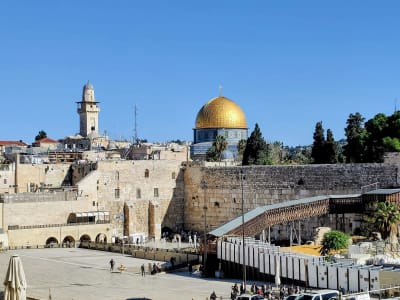
Иерусалим почти без ступенек: спокойный маршрут для пожилых и семей
SuggestedPrice on request
Если вы хотите увидеть Иерусалим, но беспокоитесь из-за лестниц, подъёмов и долгой ходьбы, предлагаю обсудить более спокойный маршрут. Он рассчитан на пожилых путешественников, семьи с родителями и тех, кому трудно проходить большие расстояния. Мы начнём у Яффских ворот и познакомимся с христианской частью Старого города. Для передвижения по его улицам можно заранее организовать электрический гольф-кар. В Храме Гроба Господня выберем короткий маршрут с учётом ваших возможностей, без спешки и с паузами на отдых. На автомобиле отправимся к смотровой площадке на Масличной горе. По желанию добавим Гефсиманский сад. Главное здесь не количество пройденных мест, а возможность спокойно познакомиться с городом и сохранить силы на весь день. Возможная программа: • Яффские ворота. • Христианский квартал Старого города. • Храм Гроба Господня. • Панорама Иерусалима с Масличной горы. • Гефсиманский сад, по желанию. Продолжительность: ориентировочно 5–7 часов; маршрут можно сократить. Формат: индивидуальная экскурсия на русском языке. Темп: спокойный, с короткими пешеходными участками и остановками на отдых. «Почти без ступенек» не означает полностью безбарьерный маршрут. Если вы пользуетесь инвалидной коляской или вам нужна помощь при посадке в транспорт, расскажите об этом заранее: доступность каждого участка и подходящий транспорт обсудим отдельно. Аренда гольф-кара оплачивается отдельно и согласовывается заранее. Дату, стоимость экскурсии, место встречи и транспорт подберём под вашу поездку.
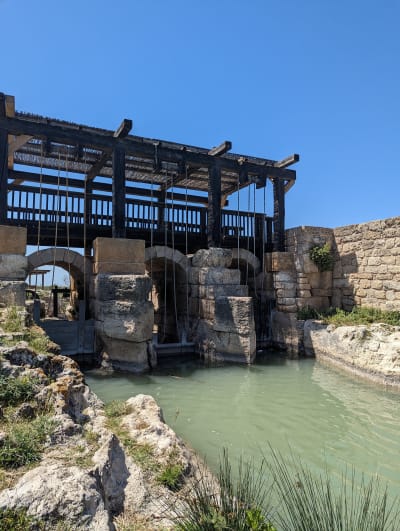
Nahal Taninim: Roman Water & Coastal Wetlands
SuggestedPrice on request
Nahal Taninim preserves the remains of Roman dams, aqueducts, mills, and wetlands near the coast south of Caesarea. A private visit can follow the waterworks, explore the wetlands, and connect the site with the aqueducts and harbour of Caesarea. It is a good stop for visitors interested in Roman engineering, water management, birds, and quiet coastal landscapes. The site shows that Roman power depended as much on water systems and practical engineering as on theatres, temples, and armies.
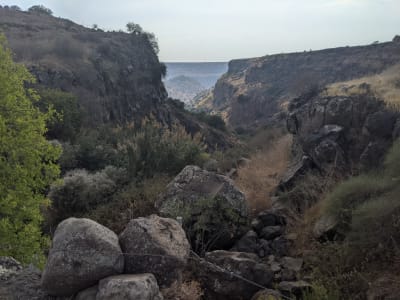
Golan Heights: Volcanoes, Waterfalls & Borders
SuggestedPrice on request
The Golan Heights combines open basalt landscapes, volcanic cones, waterfalls, vineyards, kibbutzim, and views across the Sea of Galilee and toward Syria. A private day can include waterfalls, short walks, local food, wineries, Gamla, Mount Bental, and viewpoints over the border. The route can focus on nature, the 1967 war, agriculture, wine, geology, or the history of the region’s different communities. The Golan’s story is written in layers of lava and politics. Its high ground explains both the region’s agricultural richness and why it has played such an important role in the modern history of Israel and Syria.
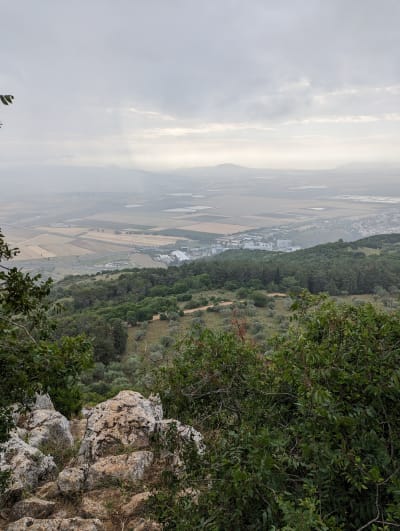
Haifa & Carmel: Gardens, Cultures & Mountain Views
SuggestedPrice on request
Haifa rises from the Mediterranean shore up the slopes of Mount Carmel. It is a city of sea views, religious communities, neighbourhoods, gardens, ports, and migration stories. A private day can include the Bahá’í Gardens, the German Colony, Wadi Nisnas, the Louis Promenade, local food stops, and viewpoints from Mount Carmel. The day can focus on Haifa’s mixed communities, modern history, architecture, religion, food, or the connection between the city, the mountain, and the sea. Haifa offers a different way of seeing Israel. Its character comes less from one dominant narrative and more from the daily presence of different communities, languages, faiths, and family histories sharing the same steep slopes between Carmel and the Mediterranean.
רכס יודפת – מסע בעקבות עומק, יצירה ורוח האדם
SuggestedFrom $400
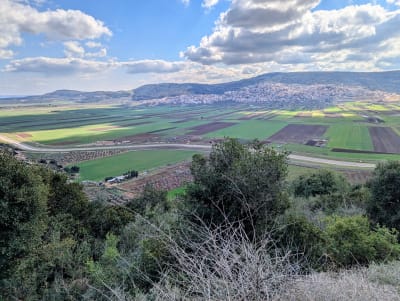
סיור ברכס יודפת הוא מסע בין נופי הגליל, יצירה אנושית, היסטוריה ורוח. לאורך הרכס נפגוש אנשים המבקשים להעניק משמעות לחומר, למקום ולחיים, ונגלה כיצד ידיים יוצרות יכולות להפוך רעיון למציאות. נתחיל בביקור בגן פסלים, שבו חומר וצורה מבטאים חיפוש אחר עומק ומשמעות. נמשיך בהליכה על הטיילת שבין מנוף לשכניה, בין נופים פתוחים ומרחבים המזמינים להתבוננות. נבקר במערת שכניה, שבה נטיפים ועטלפים חושפים עולם נסתר שנוצר לאורך אלפי שנים. בתל יודפת נחזור אל סיפורם של אנשי המקום, שבנו בידיהם את ביצורי העיר ועמדו במבחן היסטורי קשה, עד הקצה. מתוך שרידי העבר נעסוק בבחירות אנושיות, בנחישות ובמחיר של עמידה על עקרונות. נסיים במבדד בהררית, מקום של התכנסות ושקט, שנבנה בעבודת יד על בסיס בור מים ביזנטי. כאן, בין אבני העבר למעשה היצירה בהווה, נפגוש דרך אחרת של חיפוש – דרך של התבוננות פנימה, פשטות וחיבור למקום. זהו סיור על מה שבני אדם בוחרים לבנות בידיהם – ועל מה שהם מבקשים למצוא באמצעותו. פסלים המבקשים לגעת בעומק, מבדד שנוצר מתוך מלאכת כפיים, ועיר עתיקה שתושביה ביצרו אותה בנחישות. בין יצירה, אמונה, היסטוריה ונוף, ננוע בעקבות החיפוש האנושי אחר משמעות, שייכות וכוח עמידה. אודות המדריכה: סלע היא מורת דרך מוסמכת עם ניסיון של למעלה מ־20 שנה. מתגוררת בגליל ומתמחה בטיולי משפחות, ליקוט ובישול בטבע וחינוך בדרכי השביל. בוגרת בהצטיינות של המחלקה לצורפות ואופנה בבצלאל, וכיום מרצה לצורפות עכשווית באוניברסיטת תל חי. אמנית פעילה המציגה בארץ ובעולם, ועוסקת גם בעבודות מתכת ובעיצוב גופי תאורה. הנוף שסביבה הוא מקור השראה לטיולים וליצירה שלה.
The Negev: A Barren Land or Israel’s Future?
SuggestedPrice on request
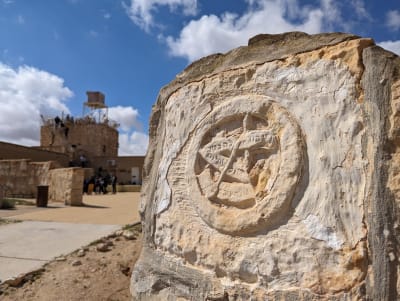
Travel south with Eli Romanovsky to explore the Negev through the people who chose to build their lives there. The desert was central to David Ben-Gurion’s vision for Israel. He believed its future would be shaped by the ability to live, farm, and create communities in the Negev. This tour follows that idea through early kibbutzim, desert farms, and the wide open landscape around Sde Boker. Visit Kibbutz Revivim, one of the communities founded in the 1940s under difficult desert conditions. Continue south to Sde Boker, where Ben-Gurion chose to make his home after leaving public office. Visit his desert home and his grave overlooking the Zin Valley. The route can include a local farm or winery, a walk near Avdat Creek, and a stop connected with the Nabataean Incense Route. The day can end in Mitzpe Ramon, making it a natural beginning to a longer Negev stay. This private journey combines Israel’s modern story, desert life, and the landscapes that continue to shape both.
Timna Park
SuggestedPrice on request
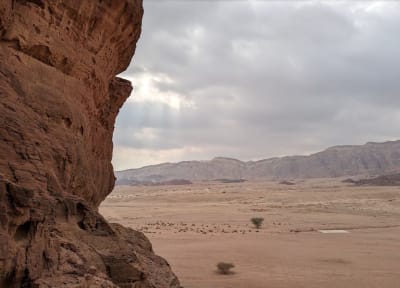
Timna Park is a wide desert valley north of Eilat, known for red mountains, sandstone pillars, ancient copper mines, and striking geological formations. A visit can combine short walks among rock formations with the history of mining, which began here thousands of years ago. Timna can be a scenic stop, an archaeology visit, or part of a longer day around Eilat and the southern Arava. The story of Timna is not simply about beautiful desert rocks. Copper made this remote valley valuable to ancient societies, drawing workers, traders, technology, and political power into a place that otherwise seems far from everything.
El Néguev, los primeros asentamientos de los patriarcas
SuggestedPrice on request
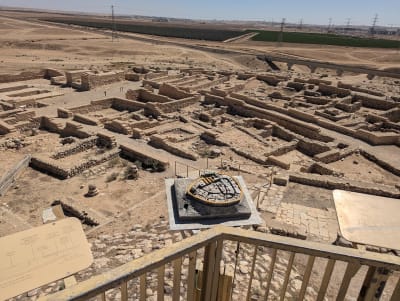
Explora el norte del Néguev con Eli Romanovsky en un recorrido privado por los paisajes relacionados con Abraham, Isaac y Jacob. Viajaremos hacia el sur, pasando por los alrededores de Beer Sheva y entrando en un territorio donde el agua, el comercio, los asentamientos y la fe hicieron posible la vida al borde del desierto. Podemos comenzar en el Pozo de Abraham en Beer Sheva y continuar hacia Tel Sheva. Allí, un antiguo sistema de agua y los restos de un templo israelita nos acercan al mundo del periodo bíblico. Más tarde, podremos visitar Tel Arad, con los restos de una ciudad cananea, una fortaleza israelita y un templo. Según el tiempo disponible y los intereses del grupo, también podemos incluir Bat Midbar, una empresa de productos herbales beduinos fundada por una mujer de la comunidad local de Tel Sheva. Este recorrido privado es apropiado para viajeros interesados en la Biblia, la arqueología, los primeros asentamientos y los paisajes del sur de Israel. La ruta final puede adaptarse al grupo, la estación del año y el ritmo que prefieras.
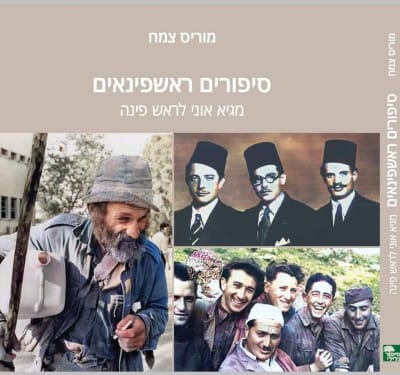
ראש פינה עם מוריס צמח, סיפורים שלא שמעתם
SuggestedPrice on request
כדי להכיר את ראש פינה באמת, לא מספיק להסתכל על בתי האבן היפים. צריך לפגוש את האיכרים, החלוצים, האמנים והטיפוסים הססגוניים שחיו כאן והשאירו אחריהם סיפורים שעוברים מדור לדור. במהלך הסיור נלך בין בתי המושבה העתיקה ונכיר סיפורים שאספתי לצורך כתיבת ספרי, "סיפורים ראשפינאים". חלקם קשורים לדמויות מוכרות ולמבנים היסטוריים, ואחרים מתחילים בפרטים קטנים ומסקרנים. מדוע היו הפתחים בביתו של אהרון פיינשטיין נמוכים ורחבים כל כך? ואיך הצליחה חתיכת גבינה להציל עץ תאנה? דרך הסיפורים נפגוש את החלוצים, האיכרים, האורחים הנדיבים והדמויות יוצאות הדופן של המושבה. נוכל להתמקד בראשית ההתיישבות, בבתי האבן, בזיכרונות המשפחתיים או בסיפורים המפתיעים שאינם מופיעים בספרי ההיסטוריה הרגילים. זהו סיור אישי בראש פינה, למי שרוצה לראות מעבר לחזיתות הבתים ולהכיר את האנשים שחיו בתוכם. את הספר "סיפורים ראשפינאים" ניתן לרכוש ישירות ממני. מוריס צמח הוא מורה דרך מוסמך, חקלאי ומספר סיפורים, המדריך ברחבי הארץ מאז 1988. הוא נולד במושב מרגליות שבגבול הצפון, והגליל הוא ביתו. בסיוריו הוא מחבר בין נופים ואתרים לבין האנשים, המסורות, האוכל והסיפורים המקומיים. מוריס הוא גם מחברם של ספרים על הגליל, טבריה וראש פינה, ומביא להדרכה ידע אישי שנאסף במשך שנים של מפגשים, מחקר וטיולים.
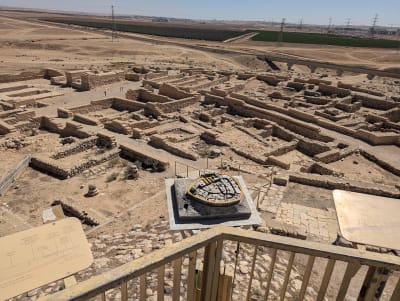
The Negev: The First Settlements of the Forefathers
SuggestedPrice on request
Explore the northern Negev with Eli Romanovsky on a private day tour through the landscape of the forefathers. Drive south through the changing countryside around Beer Sheva, into the desert associated with Abraham, Isaac, and Jacob. The route follows the places where water, trade, settlement, and belief made life possible at the edge of the wilderness. Begin at Abraham’s Well in Beer Sheva, then continue to Tel Sheva, where an ancient water system and the remains of an Israelite temple bring the biblical period into focus. Later, visit Tel Arad, with its Canaanite town, Israelite fortress, and temple. Depending on time and the group’s interests, the day may also include Bat Midbar, a Bedouin herbal-products business in Tel Sheva founded by a local woman. This private tour is suited to travellers interested in the Bible, archaeology, early settlement, and the landscapes of southern Israel. The final route can be adjusted around the day, the season, and your interests.
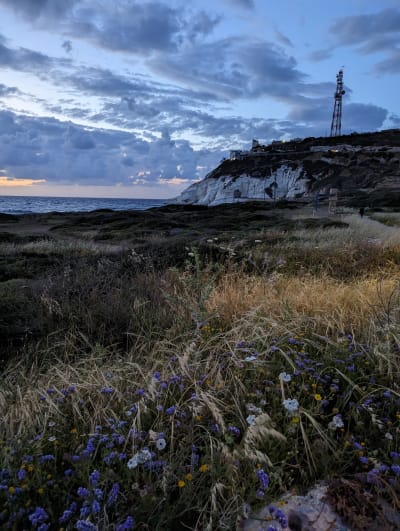
Rosh HaNikra: Sea Grottos & Northern Coast
SuggestedPrice on request
At Rosh HaNikra, white limestone cliffs meet the Mediterranean at Israel’s northern border. The sea has cut a network of grottos and passages into the rock, creating one of the country’s most dramatic coastal landscapes. A visit can include the cable car, the sea grottos, coastal views, and the story of the old railway line that once connected Haifa, Beirut, and Tripoli. It can be combined with Acre, the western Galilee, or a coastal food and nature day. This dramatic cliff is now an edge of the country, but it once stood on a route linking the ports and cities of the eastern Mediterranean. Its story is about both borders and connection.
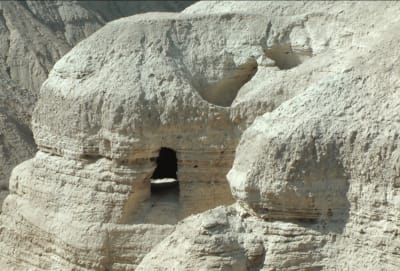
Qumran National Park
SuggestedPrice on request
Qumran sits above the northern Dead Sea, surrounded by the stark landscape of the Judean Desert. It is closely connected with the Dead Sea Scrolls, found in nearby caves and among the most important ancient manuscripts ever discovered. A visit to the site offers a chance to consider the community that lived here, its ritual practices, water systems, and relationship to Jerusalem during the Second Temple period. Combined with a visit to the Shrine of the Book in Jerusalem, Qumran gives the scrolls a powerful physical setting. The story of Qumran is one of a small community that chose the desert to live by its own strict vision of faith, order, and purity, then left behind writings that transformed our understanding of the biblical world.
Kokhav HaYarden: Crusader Fortress Above the Jordan Valley
SuggestedPrice on request
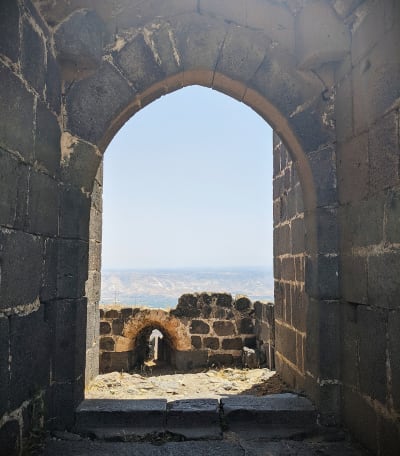
Kokhav HaYarden, also known as Belvoir, is a Crusader fortress high above the Jordan Valley. Its double walls, moat, towers, and views make it one of the most impressive medieval sites in Israel. A private visit can explore the fortress, its defensive design, the surrounding landscape, and the story of the Crusader Kingdom’s eastern frontier. It can be combined with Beit She’an, the Sea of Galilee, Ma’ayan Harod, or a Lower Galilee route. The fortress makes the medieval map of the region visible: the Jordan Valley below, routes toward Damascus and the Galilee, and a castle built to watch a frontier where power could shift quickly.
Yodfat Ridge: Art, History and the Human Spirit
SuggestedFrom $400
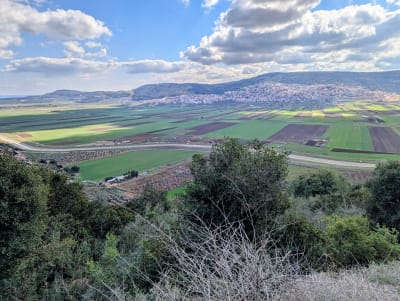
Explore the landscapes of the Galilee through sculpture, ancient history and places of quiet reflection. This tour follows the ways people give meaning to materials, places and their lives, turning ideas into something they can build with their own hands. We begin at a sculpture garden, where form and material express the artist’s search for meaning. We then walk along the promenade between Manof and Shekhanya, taking in open views and pausing to observe the landscape. Near Shekhanya Cave, we explore the hidden natural world beneath the ridge and learn about its rock formations and resident bats. Any entry into the cave is subject to conservation restrictions and confirmation before the tour. At Tel Yodfat, we turn to the story of the ancient town and the people who fortified it before facing a devastating siege. Among its remains, we consider questions of determination, human choice and the cost of standing by one’s convictions. We finish at Netofa Hermitage in Hararit, a place of silence and contemplation whose underground church was created from a Byzantine-era cistern. Here, craftsmanship and faith offer another perspective on the search for meaning, through simplicity, reflection and a close connection to place. From sculptures and ancient fortifications to a secluded hermitage, this tour explores what people choose to build and what they hope to find through creating it. Along the way, the Galilee’s landscapes provide space to reflect on creativity, belonging and resilience. Highlights: A sculpture garden exploring the relationship between material, form and meaning. A scenic walk along the Manof–Shekhanya promenade. The natural setting of Shekhanya Cave and its protected wildlife. Ancient Yodfat and its story of fortification, siege and resilience. Netofa Hermitage in Hararit, a place of craftsmanship, faith and quiet reflection. Sela is a licensed Israeli tour guide with over 20 years of experience. Based in the Galilee, she specializes in family walks, wild food foraging, outdoor cooking and learning through experiences on the trail. She graduated with honors from Bezalel’s Jewelry and Fashion Department and now teaches contemporary jewelry at Tel Hai University. A practicing artist who exhibits in Israel and abroad, she also works in metalwork and lighting design, drawing inspiration from the landscape around her.
Tabgha: Loaves, Fish & the Galilee Shore
SuggestedPrice on request
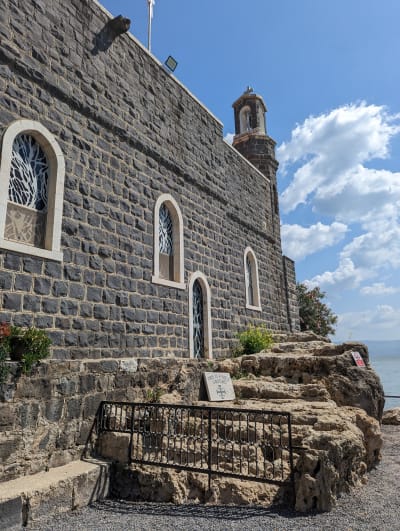
Tabgha lies on the northwestern shore of the Sea of Galilee and is associated with Christian traditions of the multiplication of loaves and fishes and the calling of Peter. A private visit can include the Church of the Multiplication, the Church of the Primacy of Saint Peter, lakeshore views, and nearby Capernaum or the Mount of Beatitudes. The route can focus on Christian pilgrimage, the Gospels, the landscape of the lake, or the everyday setting of first-century Galilee. The value of Tabgha lies in its simplicity. A quiet stretch of shore, a small church, fish, bread, and water connect a familiar landscape with stories that became central to Christian memory.
Samaria: An In-Depth Field Guide to Sacred Sites, Geopolitics, and Cultural Heritage
SuggestedPrice on request
Discovering Shomron: The Heartland of Israel Samaria sits at the historic crossroads of ancient Israelite heritage, strategic mountain topography, and modern geopolitical reality. Traveling through this central ridge is not an ordinary sightseeing excursion. It is an intensive field exploration through biblical capitals, resilient rural communities, and archaeological landmarks that shaped the history of Israel and the region. 1. The Biblical Capitals and Archaeological Anchors Tel Shiloh: The religious and political gathering place of the Israelite tribes for over three centuries. Walk the excavation grounds of the Tabernacle sanctuary, inspect storage facilities, and examine early Iron Age archaeological finds. Sebastia (Ancient Samaria): The royal seat of the Northern Kingdom of Israel under King Omri and King Ahab. Survey the remains of the Israelite royal palaces, Hellenistic circular defensive towers, and the monumental Roman forum and colonnaded street built during the reign of Herod the Great. Mount Ebal and Mount Kabir: High vantage points overlooking biblical Shechem and the Tirzah Valley. Examine the topography of the covenant ceremony and the archaeological debates surrounding the early Iron Age stone structure identified with Joshua’s altar. Deir Qal'a and Ancient Kedumim: Massive Byzantine monastic fortifications cut into the limestone cliffs, contrasted with domestic architecture and ritual immersion pools of ancient Samaritan villages. 2. Living Heritage and Human Encounters The Samaritan Community of Mount Gerizim: Direct encounters with Samaritan community members and priesthood. Study their ancient Hebrew script, genealogical records, and the sacrificial grounds preserved continuously on their sacred mountain. Pastoral Outposts and Hilltop Youth: Candid discussions on the open range. Learn the strategic realities of grazing herds, land stewardship, and the social dynamics driving young pioneers in rural communities. International Faith Alliances: Meet Evangelical Christian volunteer groups who travel from around the world to plant, harvest, and support agricultural projects in the hills. 3. Frontier Landscapes and Strategic Ground Northern Samaria and Reihan Forest: Dense Mediterranean oak forests, late Ottoman and British Mandatory conservation history, and tranquil freshwater springs such as Ein Yedidya. El-Ahwat Archaeological Enigma: A fortified Iron Age I site near Katzir featuring unique dry-stone corridors and rounded architecture, often connected to the biblical sites and the Sea Peoples. Regional Industry and Agriculture: Guided visits to boutique estate wineries utilizing high-altitude mountain microclimates, alongside local manufacturing sites such as the Har Bracha Tahini factory. Tour Judea and Samaria, Yehuda v' Shomron with David Ha'ivri --- Planning Your Itinerary Covering all of these locations is impossible in a single day due to geographical spread, security coordination, and the depth each site deserves. Consider this comprehensive guide a modular master menu. We will use these elements to craft a customized, highly focused single-day itinerary or a multi-day regional expedition tailored directly to your schedule, physical preferences, and specific areas of interest.
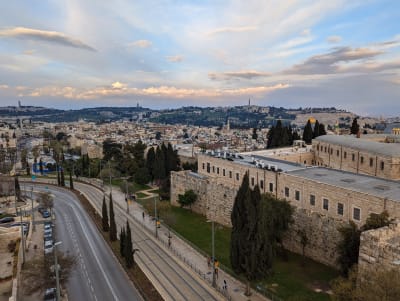
In Conrad Schick’s Footsteps: Curiosity, Craft and 19th-Century Jerusalem
SuggestedFrom $400
Explore 19th-century Jerusalem through the life and work of Conrad Schick: a self-taught architect, researcher and archaeologist whose curiosity and practical skills helped shape the city and deepen our understanding of its past. We begin on HaNevi’im Street, also known as the Street of the Prophets, where religion, science, architecture and European initiatives came together in the 19th century. Following key chapters in Schick’s life, we discover how he combined craftsmanship with close observation to study Jerusalem’s buildings, sacred sites and layers of history. We then continue into the Old City to explore his architectural and research work and see his celebrated models, including a model of the Temple Mount. These detailed constructions helped scholars and visitors understand spaces that few could access. They also reveal how Schick used model-making as a tool for research, documentation and explanation. Along the way, we explore the role of Protestant communities in 19th-century Jerusalem, from religious and educational institutions to scientific research. We also learn about the Palestine Exploration Fund (PEF) and its contribution to mapping, documenting antiquities and studying the region’s archaeology and history. Through Schick’s story, we consider the connections between faith and science, craftsmanship and scholarship, and an ancient city and the modern researchers seeking to understand it. Highlights: HaNevi’im Street and Jerusalem’s changing character in the 19th century Schick’s architectural and archaeological work in the Old City His detailed models, including a model of the Temple Mount Protestant institutions and their influence on the city The Palestine Exploration Fund and the study of Jerusalem and the region About your guide: Sela Schein is a licensed Israeli tour guide with over 20 years of experience. Based in the Galilee, she specializes in family walks, wild food foraging, outdoor cooking and learning through experiences on the trail. She graduated with honors from Bezalel’s Jewelry and Fashion Department and now teaches contemporary jewelry at Tel Hai University. A practicing artist who exhibits in Israel and abroad, she also works in metalwork and lighting design, drawing inspiration from the landscape around her.
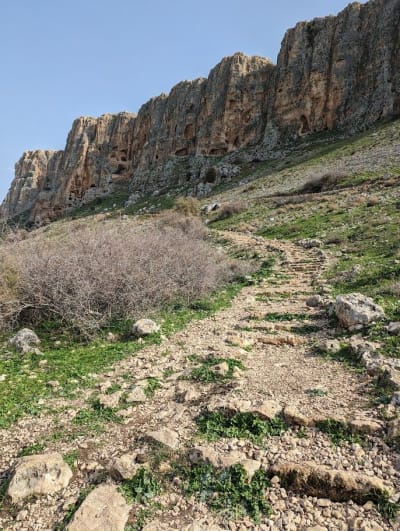
Mount Arbel National Park
SuggestedPrice on request
Mount Arbel rises sharply above the Sea of Galilee, with wide views across the water, the Golan Heights, and the hills of the Lower Galilee. The setting alone makes it one of northern Israel’s most rewarding viewpoints. A visit can include a walk along the rim, a descent toward the caves in the cliff, and stories of the people who lived, hid, and fought in this dramatic landscape. The route can be gentle or more active, depending on the group. The story of Mount Arbel is written in the land itself: the lake below, the roads crossing the valleys, and the cliffs above all explain why this small part of the Galilee has drawn communities, armies, pilgrims, and teachers for centuries.
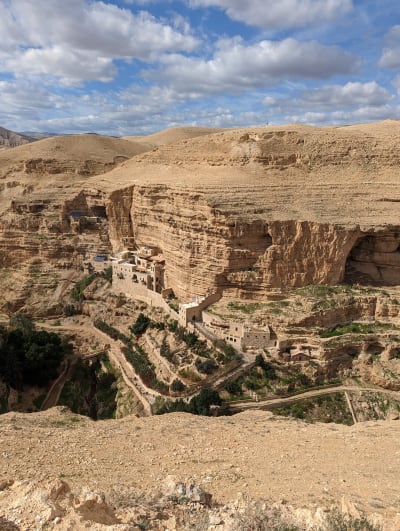
מדבר יהודה, ארץ המנזרים העתיקים
SuggestedPrice on request
נצא אל מדבר יהודה, אל ארץ של מצוקים, מערות ומנזרים עתיקים. במשך מאות שנים הגיעו לכאן נזירים שביקשו להתרחק מן העולם ולחיות חיי תפילה, התבודדות ועבודה בלב המדבר. במהלך הטיול נכיר את סיפורם של הנזירים הראשונים ושל הקהילות שצמחו סביבם. כיצד מצאו מים במקום יבש כל כך? איך גידלו מזון, אפו לחם וקיימו שגרת חיים במקומות מבודדים וקשים לגישה? ננסה להבין לא רק במה האמינו, אלא גם כיצד נראו חיי היום יום שלהם. בהתאם למסלול ולתנאי הגישה, נוכל לצפות במנזרים כמו סנט ג'ורג' ומר סבא, ולראות כיצד המבנים נטמעים בתוך מצוקי המדבר. נוכל להתמקד בנצרות הקדומה, באדריכלות, בחיי הנזירים או בנוף המדברי עצמו. האתרים המוזכרים הם אפשרויות, והמסלול יותאם לעונה, לתנאי הדרך, לקצב ההליכה ולתחומי העניין שלכם. מוריס צמח הוא מורה דרך מוסמך, חקלאי ומספר סיפורים, המדריך ברחבי הארץ מאז 1988. הוא נולד במושב מרגליות שבגבול הצפון, והגליל הוא ביתו. בסיוריו הוא מחבר בין נופים ואתרים לבין האנשים, המסורות, האוכל והסיפורים המקומיים. מוריס הוא גם מחברם של ספרים על הגליל, טבריה וראש פינה, ומביא להדרכה ידע אישי שנאסף במשך שנים של מפגשים, מחקר וטיולים.
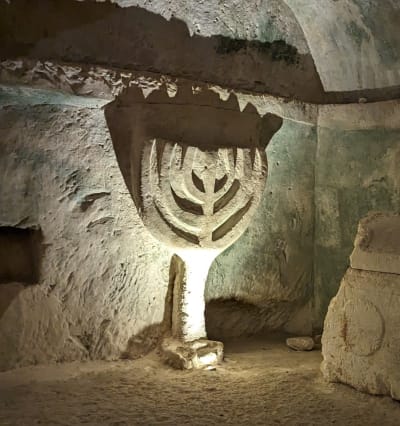
Lower Galilee: Jewish Renewal in the Roman Era
SuggestedPrice on request
Discover the Lower Galilee through the people, ideas, and places that shaped Jewish life after the destruction of Jerusalem and the Second Temple. In Sepphoris, a Roman-era city where Jews and Romans lived side by side, see elegant villas, ancient streets, and the celebrated “Mona Lisa of the Galilee” mosaic. This was the world of Rabbi Yehuda HaNasi, who compiled the Mishnah and helped establish a new centre of Jewish learning and identity. At Beit Shearim, explore monumental burial caves, inscriptions, and carved stone reliefs that offer a glimpse into the Jewish communities and sages of the period. The site shows how the Galilee became an important spiritual and cultural centre in the centuries after the Temple’s destruction. The journey can continue around the Sea of Galilee, where history and landscape come together. Take in the view from Arbel Cliff, visit the tomb of Maimonides, known in Hebrew as Rambam, or see the ancient synagogue at Magdala, a site with significance for both Jewish heritage and early Christianity. This private tour is suited to travellers interested in archaeology, Jewish history, Roman-era life, and the landscapes of northern Israel. The pace and final route can be shaped around your interests and the time available.
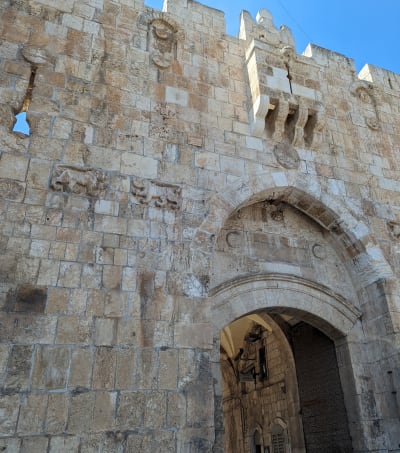
She’arim: A Tale of Four-and-a-Half Gates - Jerusalem’s Old City Walls and Gates
SuggestedPrice on request
We will explore four (“-and-a-half”) of the usable gates of the Old City walls. Why were the gates built where they are? What’s special about each of the gates in ancient and/or modern history? What can we learn about the geography, neighborhoods and current sociology in the vicinity of each gate? These and other questions will be addressed as we begin with the New Gate and walk through the Christian Quarter to the Jaffa Gate. (We will discuss the different representations of the Christian Church organizations we pass, but we will not be going inside churches.) After a short break near the Jaffa Gate we will ascend the Ramparts Walk and stroll on the walls of the Old City, descending at the Zion Gate. We will continue down the hill, stopping briefly at the Tanner’s Gate (is that a new one for you?) and conclude at the Dung Gate. TOUR LENGTH: 3.5 to 5 hours SUGGESTED MEETING POINT: Kikar Tzahal, by the old and new City Hall buildings (near the Shivtei Yisrael light rail station) TENTATIVE ENDING POINT: Sha’ar Ashpot (the Dung Gate) PRICE (total per group): ₪800 (~$250) NOT INCLUDED in the PRICE: Entrance fees for the Ramparts Walk (as of this writing: ₪20 per adult; ₪10 per child 5 to 18 years old, student (with ID), or senior citizen)

Masada National Park
SuggestedPrice on request
Masada rises above the Dead Sea on a flat-topped desert mountain. Its ruins tell two very different stories: King Herod’s desert palace and the final stand of Jewish rebels against Rome. A visit can include the cable car or the Snake Path, the palace terraces, bathhouses, storerooms, synagogue, and wide views across the Judean Desert and the Dead Sea. The site’s scale and setting are as memorable as its history. The story of Masada has never stood still. It begins with a royal fortress and a Roman siege, then becomes a modern Israeli story about courage, loss, survival, and the meaning people give to the past.
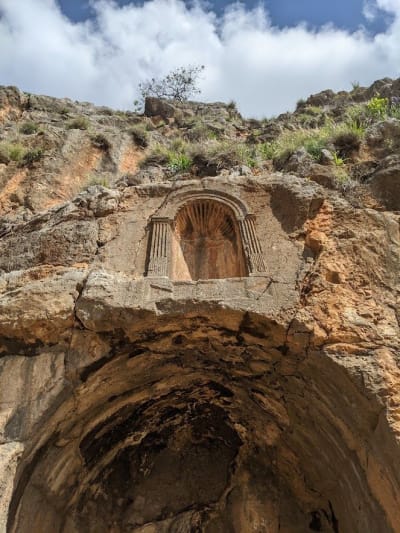
Hermon Stream (Banias) Nature Reserve
SuggestedPrice on request
Walk from springs and waterfalls to a cliff-top overlook above an old Crusader fortress in the northern Golan.
Gaza Envelope - The Western Negev: Bearing Witness, Resilience, and Rebuilding
SuggestedPrice on request
The border region of the Western Negev holds a layered story of pioneering agriculture, ancient trade routes, and frontline defense. The events of October 7, 2023, indelibly changed this landscape and its communities. Developed in response to travelers seeking to stand in solidarity, comprehend the tactical reality on the ground, and witness the ongoing process of recovery, this field study approaches the region with sober analytical clarity and deep human respect. 1. Frontline Realities and Memorial Grounds The Sderot Battle Memorial: Stand at the site of the former Sderot police station. Analyze the urban combat that unfolded in the streets of the city, the strategic challenges faced by first responders, and the civic memorial established where the station once stood. The Re'im Forest (Supernova Festival Site): Walk the grounds of the annual eucalyptus woodland where hundreds of young festivalgoers were targeted. Examine the personal tributes, the makeshift field memorials, and the timeline of the attack within the natural terrain. The Tekuma Vehicle Memorial: A staggering, silent field installation preserving thousands of incinerated and bullet-riddled civilian cars recovered from regional roads and communities. The site offers an undeniable visual record of the scale of destruction. Ot v'Shem Monument and Kfar Aza Perimeters: Visit the memorial sector honoring fallen residents and security teams, examining the physical layout of the border kibbutzim, their security architecture, and the civilian defense squads that fought against overwhelming odds. 2. Historical Roots: Biblical Passages and Early Frontiers The Gerar and Besor Corridors: Trace the ancient historical geography of the Western Negev, connecting the modern frontier to the biblical wanderings of Abraham and Isaac in the Philistine borderlands of Gerar. Early Zionist Outposts: Understand the 1946 "11 Points in the Negev" campaign, examining how early agricultural pioneers laid the water pipelines and defensive perimeters that established the modern southern border of Israel. 3. Renewal, Rehabilitation, and the Future of the South Community Recovery and Rebuilding: Meet with local residents, community leaders, or reconstruction teams working to restore devastated agricultural infrastructure, repopulate neighborhoods, and rebuild shattered kibbutzim. Border Agriculture and Innovation: Observe the remarkable persistence of regional dairy farms, massive greenhouse operations, and citrus groves operating directly along the international border fence under active security protocols. --- Planning Your Visit A journey through the Western Negev requires careful preparation, logistical flexibility, and deep emotional awareness. Travel in this sector is coordinated with relevant regional authorities and takes into account ongoing security assessments and the privacy of recovering communities. This program serves as a comprehensive framework. It can be formatted as a focused single-day itinerary or integrated into a wider exploration of the Negev and the southern frontier, customized to the interests, sensitivities, and background of your group.
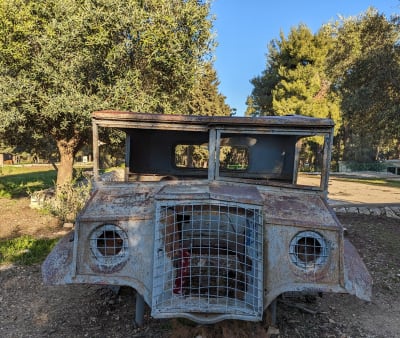
The Road to Independence
SuggestedPrice on request
Follow the road to Jerusalem with Eli Romanovsky on a private journey through the events and places that shaped Israel’s independence. The route begins at Machon Ayalon, where a hidden underground factory produced ammunition during the final years of the British Mandate. From there, travel toward Jerusalem and follow the story of the supply convoys that tried to reach the city during the siege of 1948. At Sha’ar HaGai, the road becomes more than a route between Tel Aviv and Jerusalem. It is a place of memory, marked by the story of the young men and women who brought food, water, and supplies to a city cut off from the rest of the country. The day can include lunch in Abu Ghosh and a visit to Castel National Park, where an important battle was fought for control of the Jerusalem road. Depending on your interests, it can also include the Weizmann House, the Yad La-Shiryon tank museum, or a market visit in Jerusalem. This is a private day for travellers who want to understand 1948 through the places where its events unfolded.
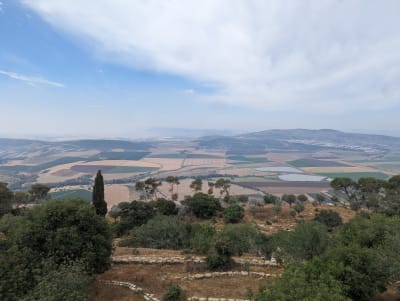
חוצים את הגליל ברכב 4×4 עם מוריס צמח
SuggestedPrice on request
נרד מן הכבישים הראשיים ונצא לגלות את הגליל דרך היערות, הנחלים, הכפרים, המקומות הקדושים והאוכל המקומי. הנסיעה ברכב 4×4 מאפשרת לנו לחבר בין נופים ומקומות שמטיילים רבים חולפים לידם, ולשלב טבע, סיפורים ומפגשים עם אנשי הגליל. אפשר להתחיל בכפר הבדואי סלאמה, עם ארוחת בוקר ופיתות חמות היישר מן הטאבון. משם נוכל להמשיך בין עצי הזית העתיקים של נחל צלמון, אל מצוקי עכברה, הבוסתנים של ואדי חמרה, יער ביריה או הגבעות שמעל נחל דלתון. בדרך נוכל לעצור ליד עץ האלה הגדול הסמוך לקבר רבי טרפון בקדיתא ולדבר על מסורות קברי הצדיקים בגליל. בהתאם למסלול ולתחומי העניין שלכם, אפשר להמשיך להר מירון, ליער ברעם או לגוש חלב, ואולי לסיים בארוחה בסגנון לבנוני. המסלול אינו חייב להיות זהה בכל פעם. נתאים אותו לעונה, למצב הדרכים, לזמן העומד לרשותכם ולשילוב שאתם מעדיפים בין נסיעת שטח, הליכות קצרות, נופים, אוכל מקומי, חיי כפר וסיפורים גליליים. מוריס צמח הוא מורה דרך מוסמך, חקלאי ומספר סיפורים, המדריך ברחבי הארץ מאז 1988. הוא נולד במושב מרגליות שבגבול הצפון, והגליל הוא ביתו. בסיוריו הוא מחבר בין נופים ואתרים לבין האנשים, המסורות, האוכל והסיפורים המקומיים. מוריס הוא גם מחברם של ספרים על הגליל, טבריה וראש פינה, ומביא להדרכה ידע אישי שנאסף במשך שנים של מפגשים, מחקר וטיולים.
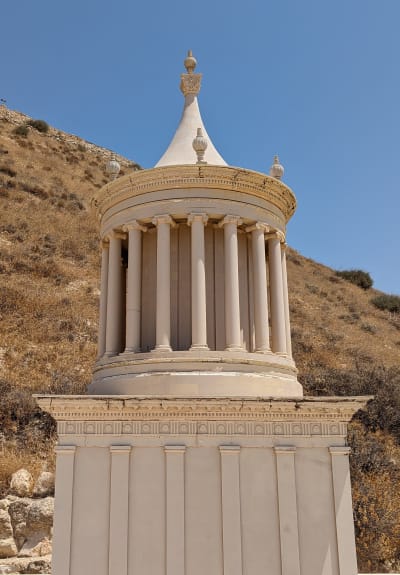
Herodion: Herod’s Desert Palace
SuggestedPrice on request
Herodium rises as a distinctive man-made hill above the Judean Desert, south of Jerusalem. King Herod built a palace, fortress, theatre, gardens, water systems, and an immense burial complex here. A private visit can include the summit palace, bathhouses, reception rooms, tunnels from the Bar Kokhba Revolt, and views toward Jerusalem, Bethlehem, and the desert. It can be combined with Bethlehem, the Judean Hills, or a wider Herod-themed route. Herodium is the story of one ruler’s ambition made visible in the landscape: a palace-mountain built to dominate the horizon and preserve a name long after its builder was gone.
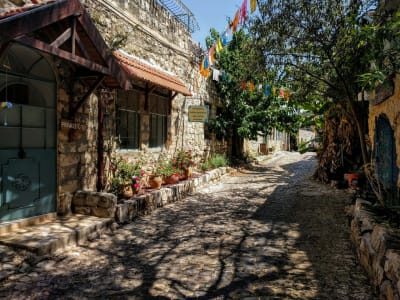
Rosh Pina & Gai Oni – The Zionist Vision and Its Fracture: Between Dream and Inspiration
Suggested$400
A fascinating tour of Rosh Pina and Gai Oni, following the early pioneers, malaria, and the Zionist vision. We will walk along HaRishonim Street, descend to the "Valley of Fever," and hear how a dream and its shattering became the foundation of settlement in the Galilee. From the vision of the First Aliyah to modern-day Rosh Pina – the art capital of the Upper Galilee.
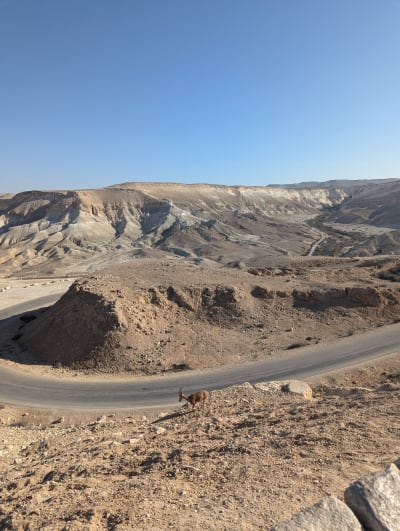
Sde Boker & Ben-Gurion’s Negev Vision
SuggestedPrice on request
Sde Boker is the desert kibbutz where David Ben-Gurion chose to live after leaving office as Israel’s first prime minister. His simple home and grave overlooking the Zin Valley remain central places for understanding his vision of the Negev. A private visit can include Ben-Gurion’s hut, the nearby educational and research setting, his grave, and views across the desert. It can be combined with Ein Avdat, Avdat, local farms, or an overnight stay in Mitzpe Ramon. The story is one of a national vision becoming personal. Ben-Gurion saw the Negev as central to Israel’s future and chose to make his own life in the desert part of that argument.
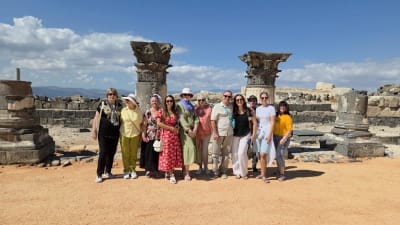
Галилея: Назарет, Капернаум и Гора Блаженств
SuggestedPrice on request
Эта экскурсия знакомит с Галилеей через места, связанные с евангельскими событиями. За один день мы побываем в Назарете, проедем к Галилейскому морю и посетим святыни на его берегах. В Назарете начнём с базилики Благовещения. Затем отправимся в Кану Галилейскую, которую христианская традиция связывает с первым чудом Иисуса. На Горе Блаженств поговорим о Нагорной проповеди и посмотрим на озеро с высоты. Продолжим поездку в Табхе и Капернауме, где увидим археологические памятники и места, связанные с апостолом Петром. В программе также предусмотрен Ярденит, оборудованное место для омовения на реке Иордан. Участие в омовении остаётся на ваше усмотрение. Экскурсию можно построить как паломническую поездку или как знакомство с историей христианства и Галилеи. Я подберу акценты и темп под вашу семью или небольшую группу. В программе: • Назарет и базилика Благовещения. • Кана Галилейская. • Гора Блаженств. • Табха и Капернаум. • Ярденит на реке Иордан. Продолжительность: полный день, с учётом места выезда. Формат: индивидуальная экскурсия на русском языке. Нагрузка: средняя; между основными остановками предусмотрены переезды, пешие участки короткие. Для храмов нужна одежда, закрывающая плечи и колени. Если планируете омовение, возьмите полотенце и сменную одежду. Обед, платные входы и одежда для омовения оплачиваются отдельно. Напишите мне желаемую дату, место выезда и состав группы. Заранее согласуем программу, транспорт и стоимость.
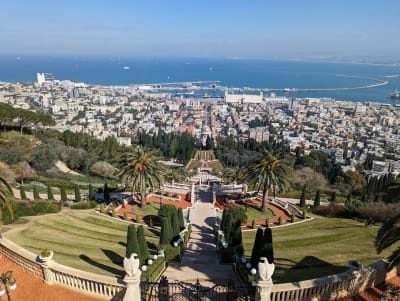
The Bahá'í Gardens
SuggestedPrice on request
The Bahá’í Gardens rise in terraces from Haifa’s German Colony toward the top of Mount Carmel. Their formal design, symmetry, and views over Haifa Bay make them one of the country’s most recognisable landmarks. A visit introduces the Bahá’í faith, the history of Haifa and Acre, and the idea of the gardens as a place of beauty, devotion, and careful stewardship. The site works especially well as part of a wider Haifa day that includes the German Colony, Wadi Nisnas, Mount Carmel, or Acre. The story of the gardens is a spiritual one: a global faith expressing its ideals of unity, beauty, discipline, and service through a landscape built above a busy and diverse port city.
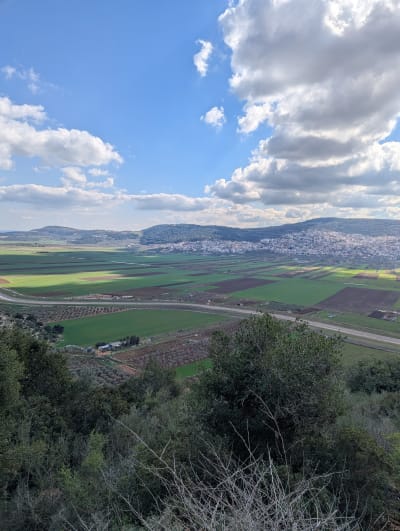
The Galilee Through Its People and Food
SuggestedPrice on request
To understand the Galilee more closely, we can go beyond its famous viewpoints and historic sites and meet the people who live, farm, cook, and preserve traditions here. Inspired by my book about travelling in the region, this experience introduces the Galilee through personal stories, village hospitality, and food. Our journey might take us into communities of the Lower Galilee, where Jewish, Muslim, Christian, Druze, and Circassian traditions exist side by side. In the Netofa Valley, we may discover crops such as okra, black-eyed peas, and sesame while learning how the land, seasons, and local customs shape what people grow and eat. Depending on availability and your interests, we can visit family homes, see bread baked in a traditional tabun, meet local producers, or stop at a family-run winery or dairy. A home-cooked meal may become the heart of the day. Travellers seeking a deeper experience can also ask about dinner or an overnight stay with local hosts. The exact route will be created around the season, the hosts available to welcome us, and the kind of encounters that interest you most. It can focus on cooking and tasting, agriculture, community traditions, personal stories, or a rich combination of them all.

Castel National Park
SuggestedPrice on request
Castel National Park stands on the ridge above the main road linking Tel Aviv and Jerusalem. In 1948, control of this hill was central to the battle for access to Jerusalem during the siege of the city. The site combines a Crusader-era fortress with trenches, memorials, and views that make the strategic importance of the hill immediately clear. A guided visit can place the events of 1948 within the larger story of Jerusalem, the British Mandate, and Israel’s independence. The story of Castel shows how one steep hill became central to the fate of Jerusalem, when keeping a single road open meant food, water, connection, and survival for a besieged city.
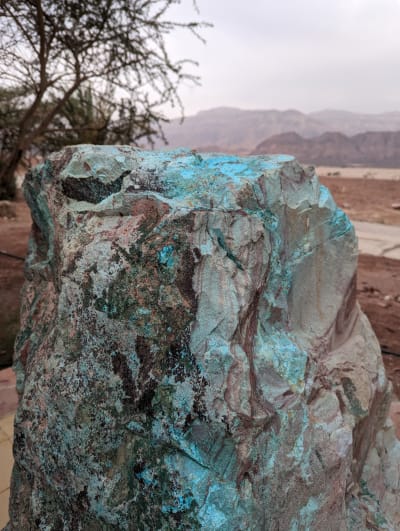
Eilat & the Arava: Coral, Desert Wildlife & Ancient Copper
SuggestedPrice on request
At Israel’s southern tip, the Red Sea, the Arava Desert, and the mountains around Eilat create a landscape unlike anywhere else in the country. A private day or multi-day route can combine Coral Beach Nature Reserve, where snorkeling reveals the Red Sea reef; Yotvata Hai-Bar, a conservation reserve for desert animals; and Timna Park, where ancient copper mining took place among red sandstone cliffs. The route can be adapted for families, nature lovers, snorkelers, photographers, and travellers interested in desert history. This is a story of connections across extremes: reef and desert, wildlife conservation and ancient industry, and a remote border region linked for thousands of years to trade routes across the Red Sea and Arabian deserts.
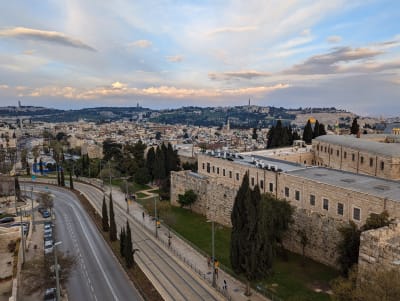
בעקבות קונרד שיק – סקרנות, יצירה וירושלים של המאה ה־19
SuggestedFrom $400
סיור בעקבות קונרד שיק, איש רב־פעלים, אוטודידקט, אדריכל, חוקר וארכיאולוג, שהגיע לירושלים מתוך סקרנות ואמונה, והפך לאחת הדמויות המשפיעות בעיצוב דמותה של העיר ובחקר עברה. נתחיל את הסיור ברחוב הנביאים, מרחב שבו נפגשו במאה ה־19 דת, מדע, אדריכלות ויוזמות מערביות. דרך תחנות בחייו של שיק נכיר אדם שלמד, חקר ויצר מתוך התבוננות בלתי פוסקת בסביבתו, ושילב בין כישרון טכני יוצא דופן לבין תשוקה לפענח את ירושלים, את שכבות ההיסטוריה שלה ואת המרחב המקודש שלה. נמשיך אל העיר העתיקה, בעקבות עבודתו המחקרית והאדריכלית, ונפגוש את הדגמים המפורסמים שיצר, ובהם דגם הר הבית, שהפכו לכלי חשוב בהבנת המרחב הירושלמי ובהצגתו לעולם. דרך סיפור חייו נבחן כיצד אדם שלא צמח מתוך מסלול אקדמי מסורתי הצליח להותיר חותם עמוק על המחקר, התיעוד והדמיון האדריכלי של ירושלים. הסיור יפתח גם צוהר להשפעתם של הפרוטסטנטים על ירושלים במאה ה־19: פעילותם הדתית, המדעית והחינוכית, מוסדות שהקימו, והעניין הגובר של חוקרים ואנשי רוח מערביים בעיר ובאתריה הקדושים. נכיר גם את פעילותה של הקרן לחקר ארץ ישראל, ה־P.E.F. (Palestine Exploration Fund), ואת תרומתה למיפוי הארץ, לתיעוד עתיקותיה ולמחקר הארכיאולוגי וההיסטורי שלה. זהו מסע בעקבות אדם שסקרנותו הפכה למעשה, ומעשהו הפך לחלק מהידע שלנו על ירושלים. דרך סיפורו של קונרד שיק נבחן את המפגש בין אמונה למדע, בין מלאכת יד למחקר, ובין העיר העתיקה לבין העולם המודרני שביקש לפענח אותה.
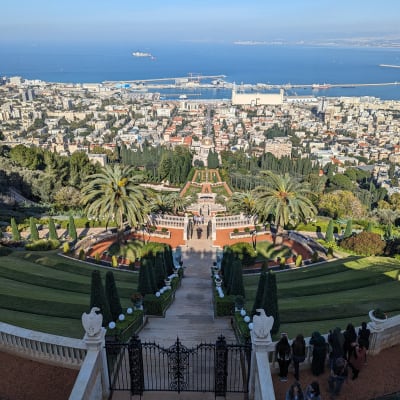
Haifa & Carmel: Gardens, Cultures & Mountain Views
SuggestedPrice on request
Haifa rises from the Mediterranean shore up the slopes of Mount Carmel. It is a city of sea views, religious communities, neighbourhoods, gardens, ports, and migration stories. A private day can include the Bahá’í Gardens, the German Colony, Wadi Nisnas, the Louis Promenade, local food stops, and viewpoints from Mount Carmel. The day can focus on Haifa’s mixed communities, modern history, architecture, religion, food, or the connection between the city, the mountain, and the sea. Haifa offers a different way of seeing Israel. Rather than one central story, its character comes from the daily presence of different communities, languages, faiths, and family histories sharing the same steep slopes between Carmel and the Mediterranean.
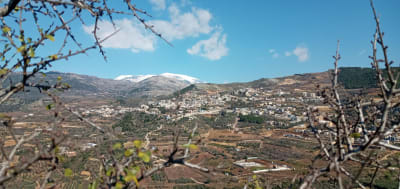
عين قنية ومجدل شمس: رحلة بين الثقافة والطبيعة والنكهات
SuggestedFrom ₪1000 per group
ندعوكم للتعرّف على شمال الجولان من خلال قريتين درزيتين، وقصص أهلهما، والتقاليد المحلية، والزراعة، والمناظر الطبيعية عند سفوح جبل الشيخ. تبدأ الجولة بالقرب من جسر الصداقة في عين قنية، مع فنجان قهوة ولقاء تعارف وإطلالة على محيط وادي سعار. ثم نتابع سيرًا على الأقدام بين أزقة القرية ومعالمها التراثية، لنتعرّف عن قرب على نمط الحياة والثقافة الدرزية. نزور معصرة زيتون ونتعرّف على تقاليد إنتاج زيت الزيتون. بعد ذلك، ننتقل بالسيارات إلى مجدل شمس، ونتوقف عند الموقع التذكاري للأطفال والفتية الذين فقدوا حياتهم في مأساة ملعب كرة القدم. ثم نتابع إلى وادي اليعفوري، لنتعرّف على بساتين التفاح والزراعة المحلية. وبحسب التنسيق والوقت المتاح، نختتم الجولة بزيارة سوق المزارعين وتذوّق الكنافة. تجمع هذه الجولة بين الطبيعة والتراث والزراعة والقصص المحلية والنكهات، برفقة مرشد يعرف المنطقة عن قرب. ماذا ينتظركم في الجولة؟ قهوة ولقاء تعارف بالقرب من جسر الصداقة. جولة سيرًا على الأقدام في عين قنية، تشمل الكنيسة والخلوة، بحسب التنسيق المسبق. زيارة معصرة زيتون والتعرّف على تقاليد إنتاج زيت الزيتون. زيارة الموقع التذكاري في مجدل شمس. مناظر وادي اليعفوري وبساتين التفاح. زيارة سوق محلي وتذوّق الكنافة، بحسب الوقت والإمكانيات المتاحة. لمن تناسب هذه الجولة؟ للعائلات، ومجموعات الأصدقاء، ومجموعات المتنزهين، والمؤسسات وفرق العمل، ولكل مجموعة ترغب في التعرّف على ثقافة شمال الجولان ومناظره الطبيعية من خلال تجربة شخصية ومتعمّقة.
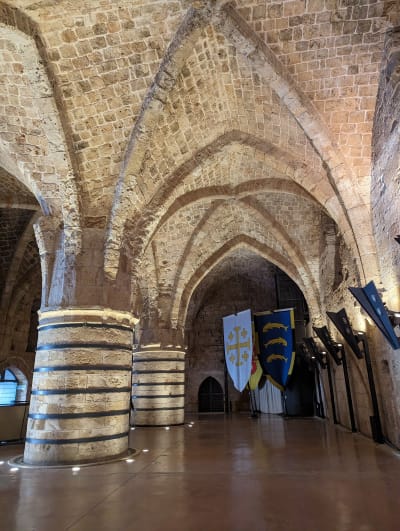
Acre: Crusaders, Markets & Sea
SuggestedPrice on request
Acre, also known as Akko, is one of the Mediterranean’s great historic port cities. Its Old City is a UNESCO World Heritage Site, with visible layers from the Crusader and Ottoman periods inside walls that still face the sea. A private walk can move through the underground Crusader city, including halls built for the Knights Hospitaller, then emerge into Ottoman markets, mosques, khans, sea walls, and the working harbour. There is room to focus on architecture, food, Jewish and Arab history, the Crusaders, the Ottoman city, or Acre’s relationship with the wider Mediterranean. After Jerusalem fell to Saladin in 1187, Acre became the capital of the Crusader Kingdom and the main Christian port in the Holy Land. Its story is about a city built around arrival: merchants, pilgrims, armies, refugees, spices, languages, and ideas all came through its harbour.
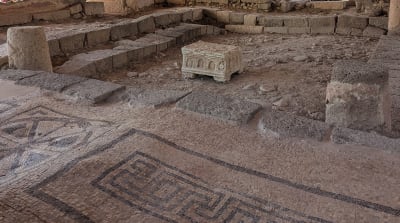
Magdala: Mary Magdalene & First-Century Galilee
SuggestedPrice on request
Magdala preserves the remains of a first-century Jewish town on the western shore of the Sea of Galilee. The site includes streets, markets, ritual baths, fishing-related installations, and a remarkably well-preserved synagogue. A private visit can focus on the Jewish life of the town, the Roman-era Galilee, the figure of Mary Magdalene, and the development of Christian pilgrimage around the lake. It can be combined with Capernaum, Tabgha, Mount Arbel, or a wider Sea of Galilee route. Magdala brings the first-century Galilee down to human scale. It was a working lakeshore town, shaped by fishing, trade, worship, family life, and the social world from which early Christianity emerged.
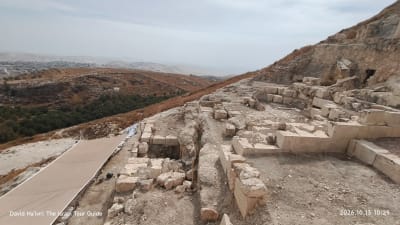
Judea Uncovered: Archaeology, Frontier Life, and the Living History of Hebron
SuggestedPrice on request
Judea and the Southern Hebron Hills: Ancestral Ground, Frontier Farms, and Desert Strongholds The Judean ridge south of Jerusalem holds the deepest roots of Israelite statecraft and monarchy. Running from the high plateaus of Gush Etzion down through the hills of Hebron to the arid descent into the Negev, this region preserves thousands of years of layered history. This field itinerary bypasses standard tourist routes to deliver an uncompromising examination of monumental ancient engineering, intense urban history, biblical archaeology, and resilient frontier life. 1. Monumental Strongholds and Biblical Roots Herodion National Park: Ascend the artificial mountain fortress built by Herod the Great on the border of the Judean desert. Examine the monumental palace complex, the Roman bathhouses, the fortified royal tomb, and the hidden subterranean cisterns converted into escape tunnels by Jewish fighters during the Bar Kokhba Revolt. The Arugot Farm: Travel eastward toward the desert cliffs for a personal meeting with farm founders Ari and Jeremy. Walk the terraced orchards and grazing lands to hear their firsthand perspective on reviving desert agriculture, reclaiming biblical land, and safeguarding open spaces on the frontier. 2. Deep Field Study in Ancient and Modern Hebron Tel Rumeida: Walk the original archaeological excavation where King David established his first capital. Examine Middle Bronze Age Cyclopean walls, Israelite four-room houses, and ancient olive presses. Tomb of Jesse and Ruth: A quiet, elevated sanctuary dedicated to the memory of King David’s father and great-grandmother, set among ancient stone ruins overlooking the valley. Beit Menachem Lookout: A panoramic bird's-eye view over the urban expanse of Hebron, breaking down the spatial division between the municipal zones, historical geography, and strategic choke points. Beit Hadassah Visitors Center: Trace the modern history of the Jewish community in Hebron, from the 1929 riots and evacuation to the return following the Six-Day War. Avraham Avinu Synagogue and Quarter: Walk the narrow alleyways of the restored 16th-century Sephardic Jewish quarter, centered around the historic synagogue rebuilt from rubble following decades of desecration. Cave of the Patriarchs: Step inside the massive, fully intact Herodian era enclosure wall that has stood for over two thousand years. Analyze the architecture, the burial traditions associated with Abraham, Sarah, Isaac, Rebecca, Jacob, and Leah, and the shared, delicate geopolitical protocol governing the site today. 3. Desert Frontiers, Archaeology, and Highland Terroir Ancient Susia Explore an exceptionally preserved Byzantine-period Jewish town in the Southern Hebron Hills. Walk through underground rock-cut homes, ritual purification baths, and a large central synagogue featuring intricate mosaic floors and ancient Hebrew inscriptions. Jeep Expedition into Yatir Forest: Take off-road 4x4 trails through Israel’s largest planted woodland on the threshold of the Judean and Negev deserts. Explore ancient agricultural terraces, water harvesting systems, and panoramic desert vistas. Estate Winery Tour and Tasting: Conclude the field study with a private tour and guided tasting at a premier high-altitude boutique winery. Examine how the intense temperature shifts and limestone soils of the Judean hills produce internationally recognized, award-winning wines. Tour Judea and Samaria, Yehuda v' Shomron with David Ha'ivri --- Planning Your Expedition Attempting to cover every site on this list in a single day is neither practical nor advisable. The geographic span, the depth of historical material, and the necessary field coordination require deliberate pacing. Consider this overview a modular master menu. We will draw from these core sites to structure either a focused, high-impact single-day field tour or a comprehensive multi-day regional study built around your timing, physical preferences, and historical interests.
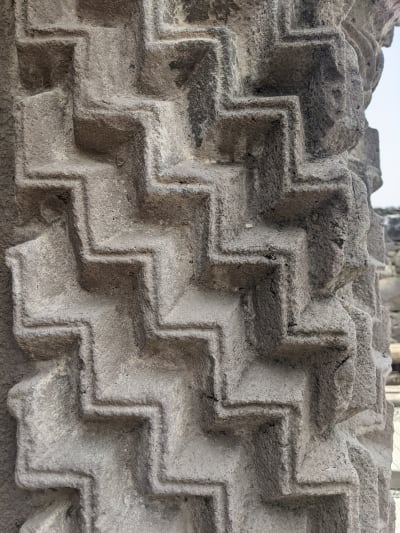
Capernaum, Korazim & Gospel Landscapes
SuggestedPrice on request
On the northern shore of the Sea of Galilee, Capernaum, Korazim, and nearby sites offer a close view of Jewish and early Christian life in the first century. A private visit can include the synagogue and village remains at Capernaum, the black-basalt synagogue at Korazim, lakeshore viewpoints, and nearby sites such as Tabgha or the Mount of Beatitudes. The route can focus on the Gospels, Jewish village life, Roman-era Galilee, or Christian pilgrimage. The story is rooted in ordinary Galilean communities: fishing, farming, synagogue life, family networks, and local roads. These were not grand imperial cities, but places where teachings and events later remembered across the world took place.
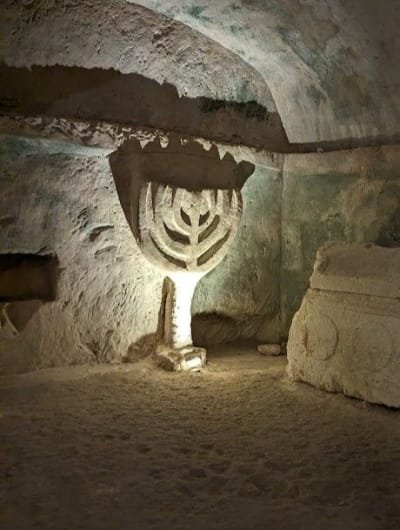
Beit She'arim National Park
SuggestedPrice on request
Descend into rock-cut catacombs whose carvings and sarcophagi tell the story of early rabbinic Judaism.
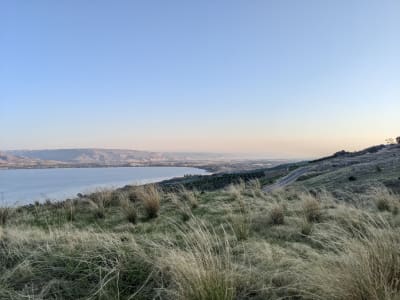
Sea of Galilee: Faith, Landscape & Lakeshore Life
SuggestedPrice on request
The Sea of Galilee is one of the most important landscapes in the Christian world, but it is also a living lake surrounded by fishing villages, farms, Roman sites, and hills shaped by thousands of years of settlement. A private day can combine Capernaum, Magdala, Tabgha, Mount Arbel, a boat ride, local food, and quiet lakeshore viewpoints. The route can focus on the life and ministry of Jesus, Jewish communities in the Roman period, nature, or the geography of the Galilee. The story of the lake is one of ordinary life becoming sacred history. Fishing boats, village roads, fields, synagogues, and family homes became the setting for events remembered far beyond the Galilee.
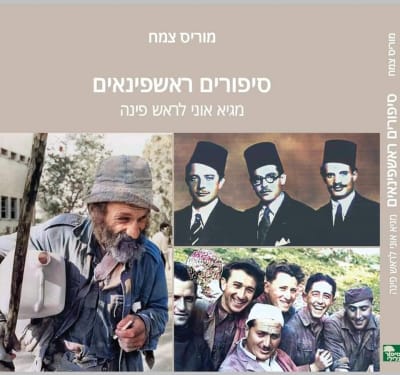
Rosh Pinna with Morris Zemach: Stories You Haven’t Heard -
SuggestedPrice on request
Rosh Pinna is more than a collection of beautiful stone houses. To discover its character, we need to meet the farmers, pioneers, artists, hosts, and unusual personalities whose stories still live among its lanes and courtyards. As we walk through the old village, I will share stories collected for my book, Sipurim Rosh Pinna’im. Some are connected to well-known residents and historic buildings, while others begin with small, curious details. Why were the doorways in Aharon Feinstein’s house so low and wide? How did a piece of cheese help save a fig tree? These local stories open a window onto relationships, hardships, humour, generosity, and daily life in the early village. Rather than following a fixed list of stops, we can shape the walk around what interests you. We might place more emphasis on the settlement’s pioneers, its architecture, local characters, family memories, or the unexpected stories that rarely appear in standard histories. This is a personal introduction to Rosh Pina for visitors who enjoy looking beyond façades and dates. Those who would like to continue exploring its stories can also purchase the book directly from me.
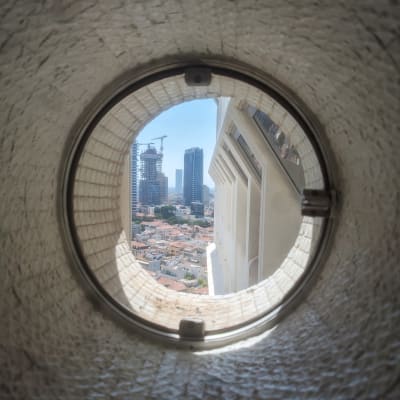
Tel Aviv: White City, Markets & Old Jaffa
SuggestedPrice on request
Explore Tel Aviv through its streets, neighbourhoods, food, and changing architecture. The city is built on contrasts: Bauhaus buildings and new towers, beach life and business districts, immigrant stories and contemporary culture. A private day can include the White City, Carmel Market, Neve Tzedek, Florentin, the old port of Jaffa, and stops shaped around your interests. It can focus on architecture, food, Israeli society, street art, fashion, or the story of how Tel Aviv grew from a small neighbourhood outside Jaffa into a major city. The route follows the making of modern Israel. Jaffa carries the memory of an ancient Mediterranean port, while Tel Aviv tells the story of a new city built by immigrants who brought different languages, ideas, trades, and hopes with them.
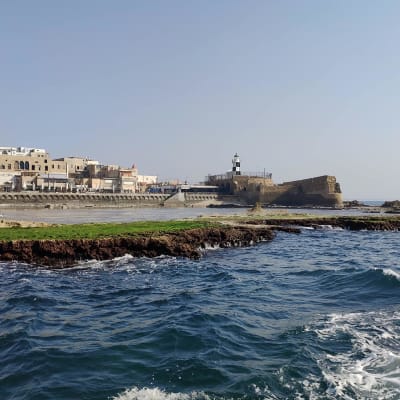
Акко: крестоносцы, подземные залы и старый порт
SuggestedPrice on request
В Акко история открывается не только на улицах, но и под землёй. На этой экскурсии мы познакомимся с городом крестоносцев, османскими памятниками и живым портом, где по-прежнему стоят рыбацкие лодки. Начнём с крепостных стен и рассказа о том, почему за этот небольшой приморский город боролись разные правители. Затем спустимся в залы рыцарей-госпитальеров: увидим своды, дворы и помещения, которые помогают представить устройство средневекового Акко. Пройдём по Тоннелю Тамплиеров и выйдем к старому порту. На рынке будет время посмотреть на прилавки с пряностями, рыбой и сладостями. По пути увидим османские постоялые дворы и мечеть Аль-Джаззар снаружи. Я подстрою темп под вашу группу. Можно сосредоточиться на эпохе крестоносцев или уделить больше внимания поздней истории города, его улицам и повседневной жизни. В программе: • Крепостные стены Старого Акко. • Подземные залы госпитальеров. • Тоннель Тамплиеров. • Старый порт и рынок. • Османские постоялые дворы. • Внешний осмотр мечети Аль-Джаззар. Продолжительность: ориентировочно 4–5 часов; точное время согласуем при выборе программы. Формат: индивидуальная экскурсия на русском языке. Нагрузка: средняя; есть ступени, неровные поверхности и подземные участки. Возьмите удобную обувь, воду и головной убор. Билеты в залы крестоносцев и Тоннель Тамплиеров, а также обед оплачиваются отдельно. По предварительной договорённости Акко можно объединить с Хайфой в экскурсию на полный день. Напишите мне желаемую дату и место выезда: обсудим маршрут, транспорт и стоимость.
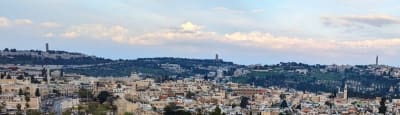
Hebrew University Mount Scopus Campus Walk
SuggestedPrice on request
The Hebrew University’s Mount Scopus campus looks across the Old City, the Judean Desert, and the hills beyond Jerusalem. Its setting makes it a strong place to explore a side of the city that is often missed by first-time visitors. A walk can include the history of the university, its architecture, academic life, and the story of Mount Scopus itself. The area played an important role in the development of modern Jerusalem, from the early Zionist period through the years when the campus stood as an isolated Israeli enclave between 1948 and 1967. The campus reflects the ambition to build a centre of learning in Jerusalem, but also the reality that education, politics, war, separation, and reunion became part of its story.
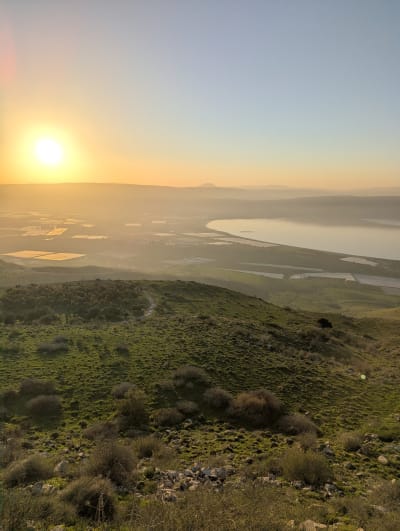
Three Days in the Golan Heights and Galilee
SuggestedPrice on request
Spend three days discovering northern Israel through its landscapes, history, communities, and complex human stories. Together, we can explore the Golan Heights and the eastern and western Galilee, creating a journey that reflects your interests, preferred pace, and style of travel. In the Golan Heights, possibilities include dramatic viewpoints, the ancient site of Gamla, the Jordan River, and places connected to the battles and borders that have shaped the region. As we travel, I will share my personal perspective and help bring together the history, geography, and present-day realities of this remarkable area. Around the eastern Galilee, we might follow the shores of the Sea of Galilee, visit Tiberias and important Christian sites, wander through Rosh Pina or Safed, or enjoy the scenery of Birya Forest. The day can focus on biblical and religious heritage, Jewish history, nature, local life—or a combination of them. Heading west opens another range of possibilities. We could explore Acre’s old streets, markets, underground halls, and harbour; continue to the cliffs and grottoes of Rosh Hanikra; visit Peki’in; or include an encounter with one of northern Israel’s Druze or Bedouin communities. These places are suggestions rather than a fixed itinerary. Your three-day tour can be adapted around the season, your accommodation, the interests of your group, and the amount of walking or driving you prefer. Whether you are drawn to history, geopolitics, faith, landscapes, food, or local communities, we will create a northern Israel journey that feels personal, varied, and meaningful.
Dead Sea: Ein Gedi & Ein Bokek
SuggestedPrice on request
The Dead Sea is a place of extremes: the lowest point on land, a landscape of salt and stone, and a body of water so dense that floating comes naturally. A day here can combine the desert’s stark scenery with water, rest, and a walk through one of Israel’s most striking oases. At Ein Gedi, springs emerge from the Judean Desert to form streams, waterfalls, pools, and green vegetation beneath the cliffs. Ibex and rock hyrax are often seen along the paths. The reserve is one of Israel’s largest oases and offers a complete contrast to the barren slopes around it. The day can end at Ein Bokek, where public beaches and the mineral-rich Dead Sea offer time to float, swim, and rest. The route can also include Masada, Qumran, or other Dead Sea stops, depending on your interests and the time available. The deeper story is the tension between abundance and fragility. The same region holds ancient settlement, desert springs, salt, minerals, tourism, and a rapidly changing shoreline, making the Dead Sea one of the most extraordinary and vulnerable landscapes in the country.
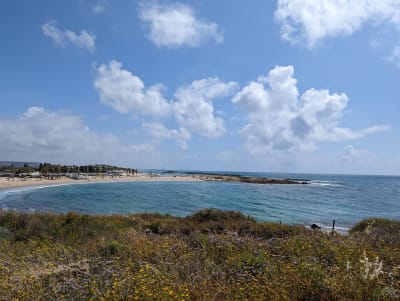
Tel Dor & Dor HaBonim: Ancient Harbour & Sea Cliffs
SuggestedPrice on request
The coast around Tel Dor and Dor HaBonim combines ancient harbour remains, small coves, limestone cliffs, and clear Mediterranean water. A private visit can explore the archaeology of Dor, once an important coastal city, then continue along the shoreline to natural pools, rock formations, and views over the sea. The route can be adapted for history, photography, a coastal walk, or a relaxed day outdoors. The coast tells two connected stories: a harbour that linked local communities to the Mediterranean world, and a shoreline still shaped by wind, waves, and changing sea levels.
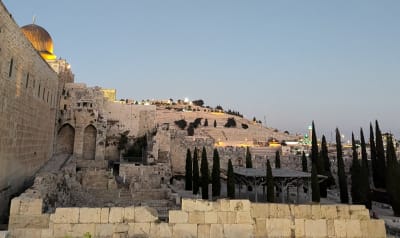
Davidson Archaeological Park & Southern Wall Excavations
SuggestedPrice on request
At the southern edge of the Temple Mount, the Davidson Archaeological Park preserves streets, stairways, ritual baths, shops, and monumental stones from the final centuries of the Second Temple period. Walk where pilgrims once approached the Temple, see the remains of the great stairways, and explore the archaeology of Roman, Byzantine, and early Islamic Jerusalem. The visit can be paired with the Western Wall, Jewish Quarter, or City of David. The site tells the story of Jerusalem at its busiest: a city of pilgrims, markets, ritual preparation, imperial rule, and a temple that stood at the centre of Jewish life.
Guides(22)
Michael Harari
Verified ✓
David Ha'ivri
Verified ✓Exploring Israel requires more than following a map. It demands a guide who reads the stone alleys, the shifting topography, and the human landscape with effortless clarity. David Ha’ivri brings travelers directly into the living pulse of the land. Decades of boots on the ground across historical routes, urban centers, and rugged trails allow him to navigate every situation with unshakeable calm. Street congestion, unexpected site closures, weather shifts, and logistical hurdles are handled with fluid adaptability. Behind his quiet poise stands an instinctive command of the terrain, ensuring every transition feels seamless. Travelers quickly discover that depth of knowledge does not have to feel heavy. As an educator and professional guide, David possesses the rare ability to unpack complex historical layers, biblical narratives, and regional realities without academic podium talk. He presents centuries of context through engaging, grounded storytelling that speaks equally to first, time visitors and seasoned scholars. Complex ideas become clear conversations. Serious history becomes an enjoyable, memorable journey. Client care defines every itinerary. Group dynamics vary, from families with young children needing shaded rest stops to curious travelers pushing for rigorous hikes. David listens closely, reads the room, and tailors the pace to fit the exact physical and personal needs of the group. Safety is never an afterthought. It is woven into every decision, route selection, and local interaction. Travelers move through busy markets, narrow alleyways, and quiet desert paths with complete peace of mind, fully protected by a guide who knows the ground intimately. A tour with David Ha’ivri goes beyond checking off landmark boxes. You walk alongside a trusted mentor who makes ancient stones speak, opens doors to authentic local encounters, and guarantees an experience that is safe, enriching, and unforgettable.
Дмитрий Балюк
Verified ✓Hello. My name is Dmitry. I am a licensed tour guide in Israel, based in Caesarea. I love God, people, and nature. I conduct Christian, historical, and archaeological tours—both group and private. I enjoy creating surprises and memorable moments for tourists. Я — Дмитрий Балюк, лицензированный гид Министерства туризма Израиля. Работаю индивидуально с русскоязычными туристами и христианскими паломниками, составляю авторские маршруты в комфортном темпе. Провожу экскурсии по всему Израилю и работаю только на русском языке. Для поездок использую комфортный седан. Я окончил Академический колледж Кинерета (Kinneret Academic College) по специальности «История и археология Израиля», а затем прошёл там же курсы экскурсоводов по Израилю. Поэтому на маршруте вы услышите не пересказ путеводителя, а целостную картину того, как археология, история и Писание соединяются в тех местах, которые мы посещаем. Лицензия Министерства туризма Израиля — результат этой профессиональной подготовки. Она также даёт право проводить экскурсии в национальных парках и на охраняемых памятниках. Помимо работы гидом, я служитель и проповедник в церкви христиан веры евангельской в городе Ор-Акива. Для меня Святая Земля — не только история и древние камни, но и живая вера. Я бережно и с уважением к традиции и молитве сопровождаю православных, католических и протестантских паломников. Я понимаю, зачем люди приезжают пройти по Виа Долороза, побывать у Гроба Господня и помолиться у Иордана, и создаю каждое путешествие с вниманием к его смыслу, деталям и спокойному темпу, которого заслуживает паломничество.
Dan Ofri
Verified ✓I have been living in the southern tip of Israel for almost 35 years. Since I go hiking on a daily basis (!), it is fair to say that I know most of the rocks and trees on first name basis. Since I studied biology, history and theater, it is fair to say that I can expose the visitor to many angles regarding the ecology of one of the most challenging and intresting deserts in the whole wide world.
מלסץ' גלה
Verified ✓שמי מלסץ' גלה, מורת דרך מוסמכת המדריכה בעברית ובאמהרית. אני מזמינה אתכם להצטרף אליי לחוויות הדרכה ייחודיות, לסיורי עומק מרתקים ולמפגשים בלתי נשכחים ברחבי הארץ — המשלבים היסטוריה, תרבות, טבע, אנשים וסיפורים מקומיים. טיולי נשים ייחודיים טיולים מעצימים ומגבשים לנשים ברחבי הארץ, המשלבים טבע, תרבות, היסטוריה, חיבורים אנושיים ואווירה נעימה ומיוחדת. זיכרון יעקב וגני הנדיב סיור עומק היסטורי ומרגש בין סיפורי המושבה הראשונה, האדריכלות הנוסטלגית והיופי המרהיב של גני הנדיב. לצד הנופים וההיסטוריה, נפגוש סיפורים אנושיים, ערכי קהילה וחיבורים בין העבר לבין החברה הישראלית של היום. נתניה – קולינריה, אמנות וסיפור מקומי היכרות צבעונית ומפתיעה עם נתניה דרך סצנת אמנות הגרפיטי, טעמים מקומיים וסיור קולינרי בשוק העירוני — מהשווקים העשירים והטעימים בארץ. חוויה אותנטית המחברת בין אמנות, אוכל, אנשים והסיפורים שמאחורי העיר. ירושלים – בין עבר להווה סיורים קסומים בסמטאות ירושלים, המחברים בין סיפורי העיר העתיקה לבין ירושלים התוססת של ימינו. נגלה את ההיסטוריה, התרבות והאנשים שמאחורי המקומות, ונחווה את ריבוי הפנים והקסם הייחודי של העיר. למי מתאימים הסיורים? כמדריכה מוסמכת לילדים ולבני נוער, אני מתאימה את הסיורים למשפחות, לקבוצות, למוסדות ולקהלים מגוונים. התוכן מועבר בגובה העיניים, באופן נגיש, חווייתי ומהנה — כך שכל משתתף ומשתתפת, בכל גיל, יוכלו להתחבר, ליהנות ולצאת עם חוויה משמעותית.
Chloé Sfez
Verified ✓Avec moi, vous ne découvrirez pas seulement Israël, vous allez le vivre ! Passionnée par ce pays, son histoire, ses cultures et ses habitants, je vous emmène hors des sentiers battus pour découvrir un Israël authentique, surprenant et multiculturel. Des rencontres, des traditions et des cultures qui se croisent. Des paysages à couper le souffle et des endroits insoupçonnés. Des lieux secrets, des anecdotes fascinantes et mes meilleures adresses locales. Des visites vivantes, chaleureuses et personnalisées, adaptées à vos envies et à votre curiosité. Mon objectif ? Vous faire découvrir les mille facettes d'Israël, bien au-delà des cartes postales, et vous offrir des moments inoubliables. Parce qu'Israël ne se visite pas seulement… il se découvre, se ressent et se vit !
Ori Katzir
Verified ✓Ori Katzir (אורי קציר) is an Israeli licensed tour guide, historian, journalist, editor and lecturer, whose professional background combines historical research, political communication, journalism and tourism. He is an interesting example of someone who moved from the world of political and media communication into specialist historical tourism and storytelling. 1. Professional and academic background According to his professional profiles, Katzir holds a bachelor's degree in International Relations and a master's degree in General History from the Hebrew University of Jerusalem. His historical research has included the American Gold Rush. He completed the Israeli Foreign Ministry's diplomatic cadet training course in 1994, but subsequently chose journalism rather than a diplomatic career. He worked for approximately two decades in communications, including: - Political correspondent for the Itim News Agency. - Spokesperson and head of office for Ehud Barak. - Spokesperson for the Shinui party. - Spokesperson for the Israel Securities Authority. - Editor in various media organizations. He also established and operated the historical and cultural blog Aplaton, which published numerous articles on history, culture and contemporary affairs. 2. His work as a tour guide Katzir is listed as a licensed Israeli tour guide, license number 10631. His professional profile lists Hebrew and English as his working languages. He has worked in incoming tourism, domestic tourism and outbound group tours. His professional profile describes an emphasis on building original itineraries, including places and stories that are not necessarily familiar to the average tourist. His guiding experience includes Christian pilgrims, Jewish families, organized groups, workers' committees and VIP visitors. He has also guided groups abroad, particularly in North America and Europe. The Geographic Company has also published a profile of him, highlighting his historical background and experience guiding in the United States. 3. What do tourists say about him? This is probably one of the more interesting parts of the public record. TripAdvisor contains several testimonials from tourists who travelled with him. A few examples: - A Canadian visitor described him as exceptionally knowledgeable about history, politics and religion, and praised his ability to create a tailor-made itinerary. - An American visitor who travelled with him in Jerusalem, Masada and the Dead Sea praised his ability to connect ancient history with contemporary Israeli society. - A group of 37 visitors described him as a wonderful storyteller who could move effortlessly from ancient history to contemporary events. - Another visitor particularly praised his ability to make even a short visit to Jerusalem's Old City educational, entertaining and full of discoveries. One recurring theme in these testimonials is that he does not simply recite historical facts. He tells stories, incorporates politics and contemporary society, and adapts his explanations to the interests of his audience. 4. His historical and literary interests Katzir's work has extended beyond tourism. He published an illustrated children's book called אש לי יום הולדת, and was involved in producing the Haggadah of Modi'in, a secular-oriented Passover text connecting the Exodus narrative with modern Jewish national history. His writing has also appeared in the cultural journal Yekum Tarbut. Among the subjects represented there are historical fiction and poetry. 5. His current creative activity There is another dimension to Katzir's work that is not adequately represented in the older professional profiles: his historical podcast, רגע היסטורי (A Historical Moment). The podcast focuses on unusual, forgotten and often extraordinary historical episodes. Its subjects include strange rulers, bizarre criminal careers, forgotten political scandals, extraordinary acts of courage and unusual episodes from the history of different countries. The idea is to turn historical research into accessible storytelling, with an emphasis on human drama, eccentric personalities and surprising historical events. This is an important distinction: the podcast is not simply an extension of his guiding work. It is another platform for communicating historical knowledge, potentially reaching audiences who would never book a guided tour.
Sela Schein
Verified ✓Sela is a licensed Israeli tour guide with over 20 years of experience. Based in the Galilee, she specializes in family walks, wild food foraging, outdoor cooking and learning through experiences on the trail. Her tours also explore art, history and the connections between people and places. She graduated with honors from Bezalel’s Jewelry and Fashion Department and now teaches contemporary jewelry at Tel Hai University. A practicing artist who exhibits in Israel and abroad, she also works in metalwork and lighting design. The landscape around her inspires both her guiding and her creative work.
Sara Goldsmith
Verified ✓Shalom! I was born in Chicago and immigrated to Israel with my family as a child. I have a degree in Tourism & Geography, and also studied Hotel Management, and am a certified chef. I have a passion for Israel - the people, the history, the food, the stories, and love sharing all of it with my tourists! Every tour is different, as it is tailored to your needs, interests, and abilities. My slogan is "Israel your way, in your language!"
Jo Lane
Verified ✓I am a licensed tour guide with degrees in Theology & Religious Studies, and Land of Israel Studies & Archaeology. I am passionate about sharing the deep history, rich cultures, and delectable flavours of my home town, Jerusalem, as well as the whole of Israel. Each and every tour is unique, because each and every tourist is coming to this land with his or her own background, view point, expectations, hopes and dreams. I consider it to be my mission to help foster meaningful connections between my guests and this incredible land. It is my privilege to share the stories, sites, facts, and fables with my visitors, brining everything to life in a fun, engaging, and unforgettable way. I have extensive experience leading multi-generational groups and interfaith tours of all sizes and varied durations, ensuring that everyone, regardless of age or background, has an enriching and enjoyable experience that will stay with them for a very long time.
Yehuda Folberg
Verified ✓Private tour guide, discovering Israel's history, culture, and landscapes, with a taste of innovation and cuisine, blending tradition and modernity.
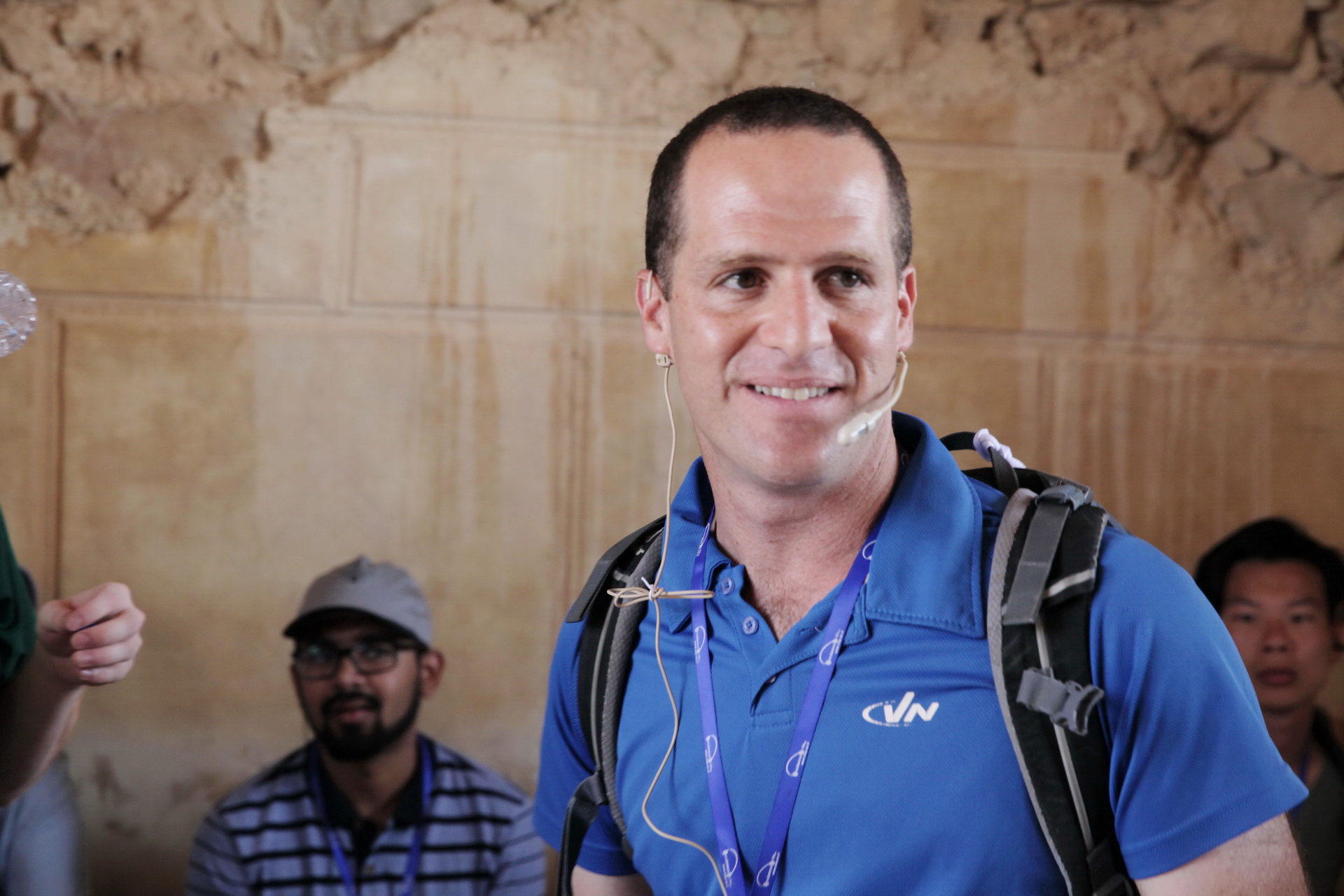
Yoni Shtern
Verified ✓I’m a licensed Israeli tour guide, born in Eilat and based in the Negev, with a deep connection to the landscapes, history, and people of southern Israel. I specialize in private and personalized tours of the Negev, Dead Sea, Arava, Masada and the surrounding desert. My tours combine fascinating stories, nature, archaeology and local life, always with a personal touch and plenty of room for questions, discovery and spontaneous moments. With many years of experience guiding families, groups and educational delegations, my goal is simple: to help you experience Israel beyond the usual tourist route, and leave with great memories and a deeper connection to this extraordinary country. I’d love to show you Israel through my eyes.
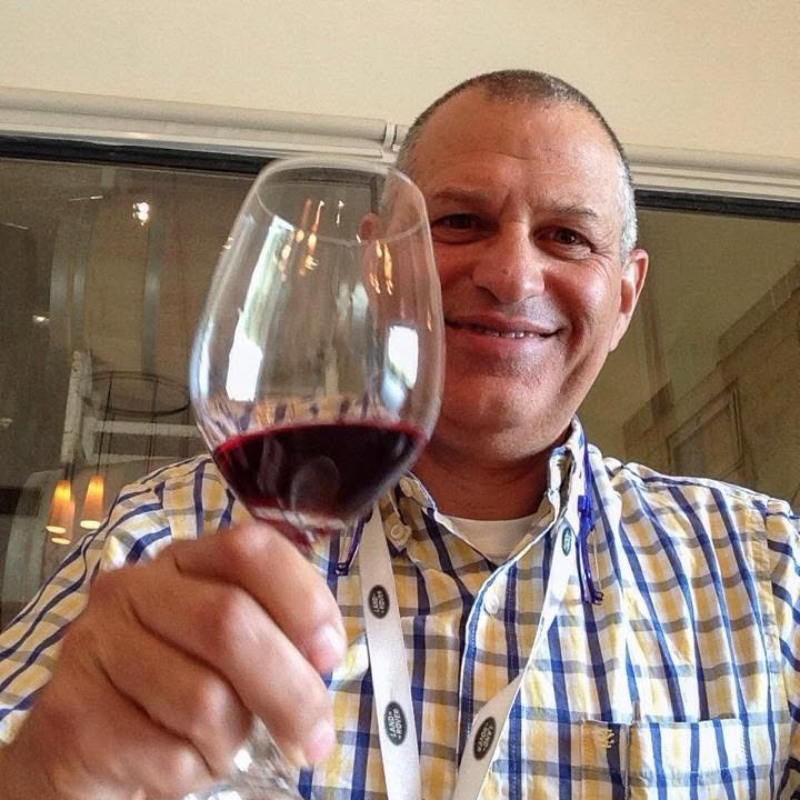
David Perlmutter
Verified ✓David Perlmutter is a licensed Israel tour guide who has been guiding since 1988, with private tours a specialty since he purchased his first off-road vehicle in 1993. Born and raised in the US, he moved to Israel as a young adult, farmed an avocado grove on Kibbutz Einat, and served in the Israeli Defense Forces before entering the guiding profession. His company, Israel Adventure Journeys Ltd., is his platform for private guiding work across Israel. David is among Israel’s most recognised guides on wine and wine tourism. He began visiting Israeli wineries when the country’s modern wine revolution was still in its early years and developed that curiosity into a serious professional practice, combining direct experience across the industry with formal training. He holds the Wine and Spirits Education Trust (WSET) Level 3 Award in Wines, passed with Merit. Fellow guides, winemakers, and members of Israel’s wine industry regularly consult him on wine tourism. Wine journeys can be designed for anything from a single day in the Judean Hills to a weeklong exploration of Israel’s wine regions. His guiding is not limited to wine. Nearly four decades of criss-crossing the country on foot, by mountain bike, and in off-road vehicles have given David an intimate familiarity with Israel’s geography. He leads mountain-bike journeys ranging from relaxed vineyard rides paired with tastings to single-track riding in the Negev and multi-day sections of the Israel Bike Trail. Full logistical support can be arranged, including bike rental, transport, repairs, and accommodation when needed. David lives with his wife Tamar and their four sons in Eliav, a young community in the Lachish region. He also volunteers as a first responder and ambulance crew member with Magen David Adom, Israel’s national emergency medical service.
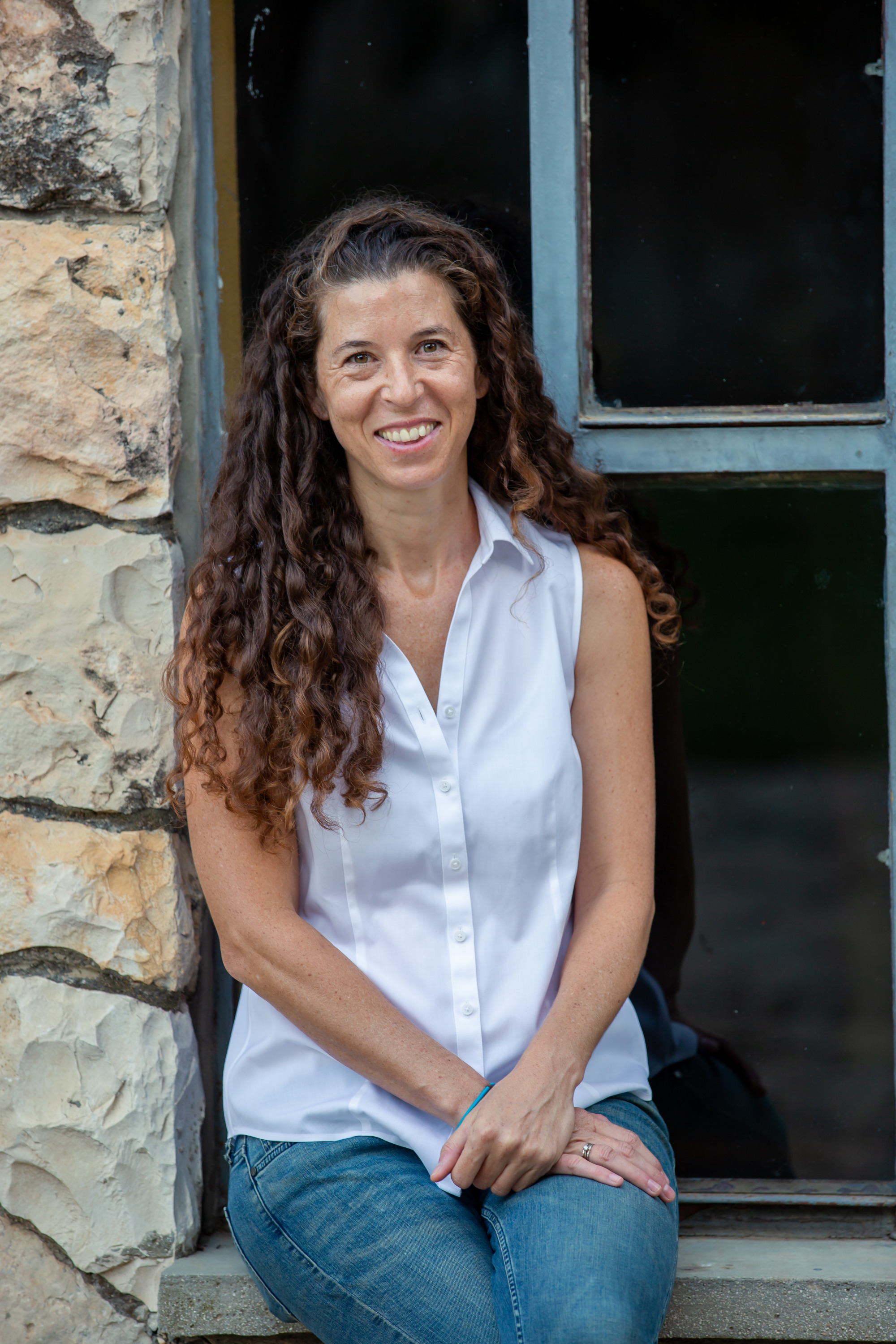
Kim
Verified ✓Shalom! I’m Kim, a licensed tour guide based in the Lower Galilee. I made aliyah to Israel twenty years ago, and I feel incredibly fortunate to call this fascinating country home. I love sharing Israel’s natural beauty, rich landscapes, and thousands of years of history with visitors from around the world. But what I enjoy most is helping people understand the Israel beyond the headlines. Israel is a complex, sometimes challenging, and always fascinating place, and I love bringing those complexities to life, while showcasing the magic, beauty, and spirit of this remarkable country.
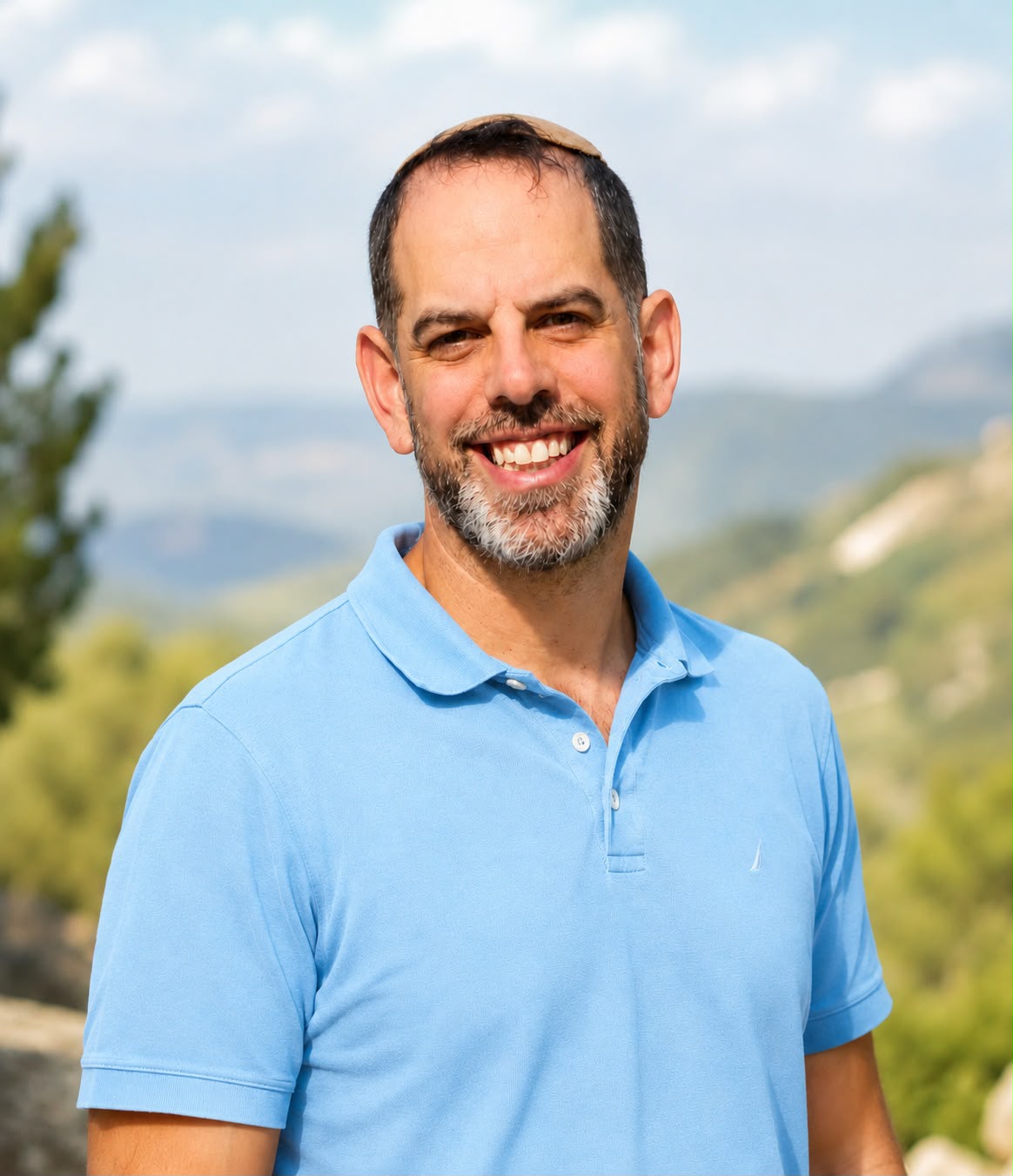
Shai Schupack
Verified ✓Dr. Shai Schupack is a licensed Israeli tour guide, educator, and researcher based in the Golan Heights. He leads in-depth field tours across the Golan Heights, Upper Galilee, Hula Valley, and Galilee. Shai holds a master’s degree in International Relations and a doctorate in Land of Israel Studies and Archaeology. His work brings together archaeology, historical geography, the history of ancient Israel, the Hebrew Bible and its historical context, Roman and Byzantine settlement, and the political geography of Israel’s northern borders. Alongside his work as a guide, Shai teaches and lectures on the history and geography of Israel and the modern Middle East. His areas of teaching include Lebanon, Syria, Jordan, and Egypt, with attention to the formation of states, borders, communities, water, and regional power. Shai also educates and trains future licensed Israeli tour guides. His tours are structured as serious field study: reading the landscape alongside archaeological evidence, historical sources, and the wider regional context.
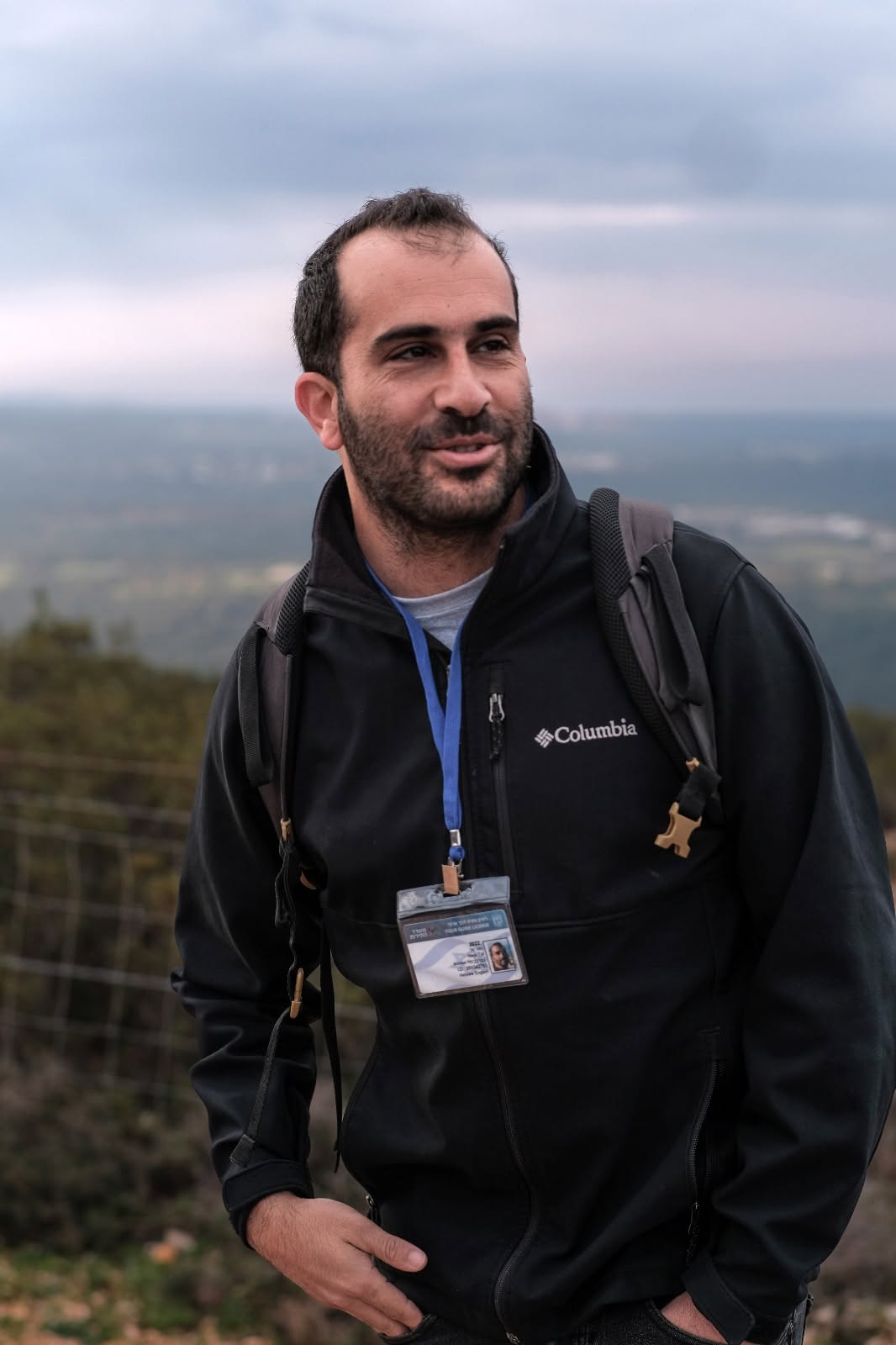
Naor Tal
Verified ✓Welcome! I am a licensed Israeli tour guide who believes that every site holds a story, and every story carries a deeper meaning for our daily lives. I specialize in guiding groups of all ages in both English and Hebrew. My core expertise lies in the breathtaking regions of Northern Israel (the Golan Heights and the Galilee Panhandle), though I happily lead tours all across the country. Whether we are exploring ancient history, walking through nature, or discovering hidden gems, my goal is to make every trip not just an educational experience, but a meaningful journey for the heart and mind.
Eli Romanovsky
Verified ✓Eli Romanovsky is a licensed Israeli tour guide who has been guiding visitors through Israel’s museums, ancient sites, cities, and landscapes since 2008. He leads tours in English, Spanish, Russian, Hebrew, and Hindi. Eli combines local knowledge with a warm, personal approach, planning private tours around each group’s interests, pace, and priorities. Eli holds a BA in Structural Linguistics from the Hebrew University of Jerusalem. His tours bring together history, culture, city life, museums, and the outdoors. With experience in both guiding and travel operations, he is well suited to visitors looking for a flexible, well-planned private itinerary. He holds a BA in Structural Linguistics from the Hebrew University of Jerusalem and specializes in tailor-made tours that blend history, culture, city life, museums, and the outdoors. With experience in both guiding and travel operations, Eli is an excellent choice for visitors seeking a flexible, thoughtfully planned itinerary shaped around their interests.
Avraham ori Lancry
Verified ✓Hi I am of avraham ori licensed guide based in Jerusalem
Shawkat Monzer
Verified ✓שאוקת מונדר | Shokat Munder מורה דרך ומנחה אתגר בטבע הגולן והגליל · תרבות דרוזית · טבע וטיולים · חקלאות מקומית אודותיי: אני שאוקת מונדר, מורה דרך מעין קנייא שבצפון רמת הגולן. כאן אני חי, מטייל ועוסק בחקלאות, ואת ההיכרות שלי עם האזור אני מביא לכל סיור: השבילים והנופים, הסיפורים המקומיים וחיי היום־יום בכפרים הדרוזיים. במשך שנים אני מדריך משפחות, תלמידים וקבוצות ברחבי הגולן והגליל. בסיורים שלי משלבים הליכה בטבע עם היכרות עם התרבות הדרוזית, המסורות המקומיות והקשר שבין התושבים לאדמה. אני אוהב להפגיש מטיילים עם האנשים שחיים כאן, ולתת מקום לשיחה ולסקרנות לצד הדרך. אני מזמין אתכם להכיר את הגולן דרך העיניים של מי שחי בו, ולגלות לא רק מקומות יפים, אלא גם את הסיפורים והאנשים שמאחוריהם. אזורי הדרכה: - רמת הגולן והחרמון - עין קנייא, מג׳דל שמס, מסעדה ובוקעתא - נחלים, מעיינות ותצפיות בצפון הגולן - הגליל העליון ועמק החולה תחומי התמחות: - תרבות דרוזית וחיי הכפר - היכרות עם המורשת הדרוזית, המסורות וחיי היום־יום, דרך סיפורים מקומיים ומפגש עם התושבים. טבע וטיולים רגליים - טיולים בין נחלים, מפלים, מעיינות ותצפיות, בשבילי הגולן, החרמון והגליל. חקלאות ומפגש מקומי - היכרות עם מטעי זיתים, בתי בד וחקלאות מסורתית, ועם הקשר שבין עבודת האדמה לחיים בכפר.
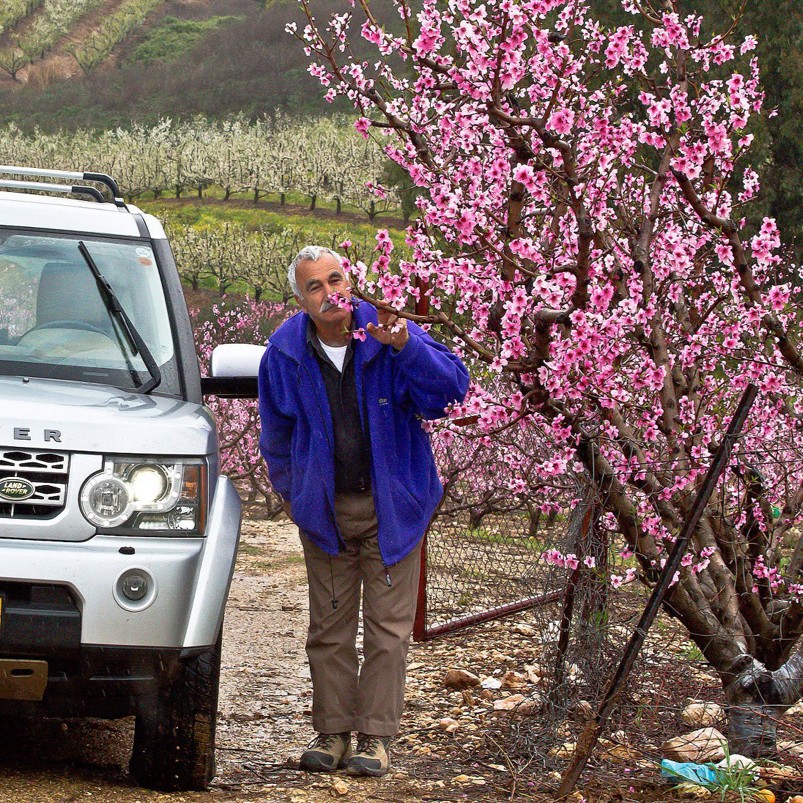
Morris Tzemach
Verified ✓I’m Morris, a Galilee-born guide, farmer, and storyteller, guiding since 1988. Come with me to meet the people, hear the stories, and taste the food that help you know this country from within. About me I was born in Moshav Margaliot, on Israel’s northern border with Lebanon, and the Galilee is my home. Alongside guiding, I also grow mangoes and lychees. On my tours, we’ll get to know the country through its people: their stories, traditions, kitchens, and everyday lives. We’ll follow village roads, meet local families, discover small wineries and dairies, and enjoy the smells and flavours of food prepared in home courtyards. These encounters are part of the journey, just as much as the landscape and the historical sites. I am a licensed guide and have been guiding since 1988, with an academic background in Geography and Israel Studies. I guide in English, Hebrew, and Arabic, and lead tours throughout Israel, with a special affection for the Galilee, where I was born and have lived my life. On the Golan Heights, I also bring a personal perspective: I served as a paratrooper and took part in the 1973 war. I collect stories as well as tell them, and some have found their way into my books about the Galilee, Tiberias, and Rosh Pina. In Rosh Pina, we can follow the stories back to the houses and streets where their characters lived. If you would like to take some of those stories home, my Hebrew book “סיפורים ראשפינאים” (Rosh Pina Stories) brings together the people, houses, and tales of the old village. Drawing on stories told by its farmers, it introduces the pioneers, generous hosts, artists, and unusual characters whose lives became part of Rosh Pina’s history. The book is available to purchase directly from me; contact me to order a copy.
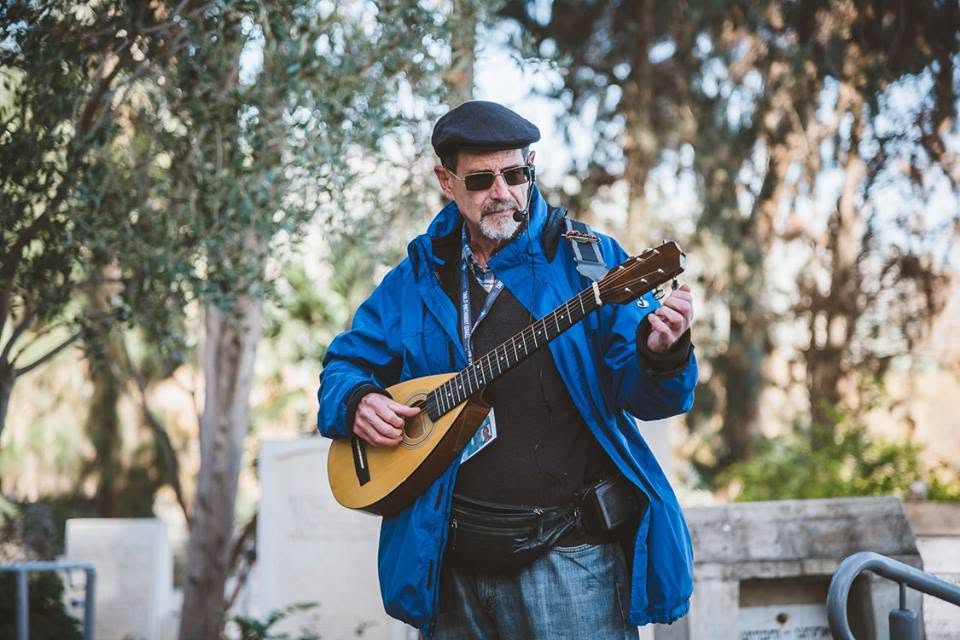
Joe Freedman
Verified ✓Joe Freedman holds an M.A. in education from the Jewish Theological Seminary and a doctorate in education (EdD) from Teacher’s College, Columbia University. He moved to Israel from the US in 1980 and lives with his family in the Jerusalem neighborhood of Gilo. For many years he served as Director of the Ramah Programs in Israel. In 1996 he earned his tour guide license issued by Israel’s Ministry of Tourism. Joe has been the Tour Educator/Guide for many educational and religious tours, especially synagogue and church tours, and has experience working with all age groups and religious backgrounds. In recent years Joe has guided several Birthright-Israel trips (age 18-32) and is scheduled to guide more groups in the coming months. Joe is also licensed to drive – and guide – in a car or van approved by the Ministry of Tourism. Moreover, Joe has also designed and led educational tours in Spain and Poland. He often uses Israeli music in his guiding and he is also a certified Israeli folk dance instructor. Contact Joe for information about: - Private tours for individuals, couples, families with young children (or multi-generation) or just a group of friends. - Synagogue or church groups; pilgrimages; interfaith groups. - Special interest groups (e.g., focus on hiking, archaeology and ancient history, modern history and sociology, geopolitics, music and dance, spirituality, and so on ) - Educational institutions and missions (school study tours, school boards, university seminars, community center staff, Federations, etc.) - Bar/Bat Mitzva or other lifecycle celebrations
Yaron Ovadya
Verified ✓I have a partner (Amy) and two daughters, I live in Jerusalem, I have Ph.D. in Middle Eastern studies and Islam, and I teach, Give lectures and guide for more than 25 years.