Judean Desert
Tours(6)
Herod’s Monument to Himself - Herodion
SuggestedPrice on request
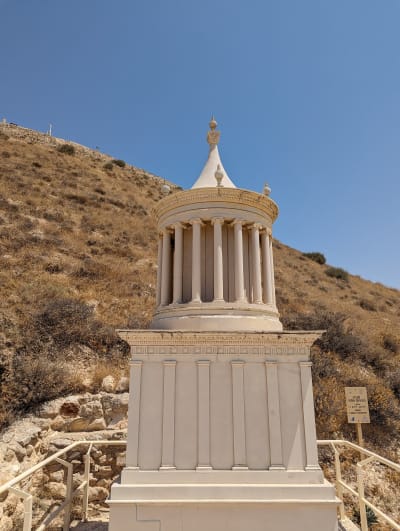
King Herod (ruled 37 BCE – 4 CE) was one of the cruelest rulers of Eretz Yisrael of all time, but he was also a master builder. The Temple Mount (Har HaBayit), Masada and Caesarea are among his most famous accomplishments. But the monument that he built and named for himself in the Judean Desert is nothing short of awesome. He even built the infrastructure for his own royal funeral. From a distance Herodion (or Herodium) looks like a flat-top mountain, but it’s really an artificial cone! The palace and bathhouse built inside the structure are marvelous, as is the public room which was used as a synagogue by Jewish rebels during the revolts against Rome. Newly opened to the public is the theatre and access to where Herod’s tomb was found. Particularly cool are the huge underground cisterns, and hideout caves, that we will wall through. In short, this is a tour not to be missed. Notes: Terrific for children and adults; requires a lot of walking uphill and climbing stairs. TOUR LENGTH: 3 hours on-site MEETING POINT and ENDING POINT: Herodion National Park (upon request, we can arrange for a meeting point on Derekh Hevron in Jerusalem) PRICE (total per group): ₪800 (~$250) NOT INCLUDED in the PRICE: Entrance fees for Herodion (₪29 per adult; ₪15 per child; ₪25 for student with ID; ₪15 for senior citizen with ID)
The Judean Desert – Land of Ancient Monasteries
SuggestedPrice on request
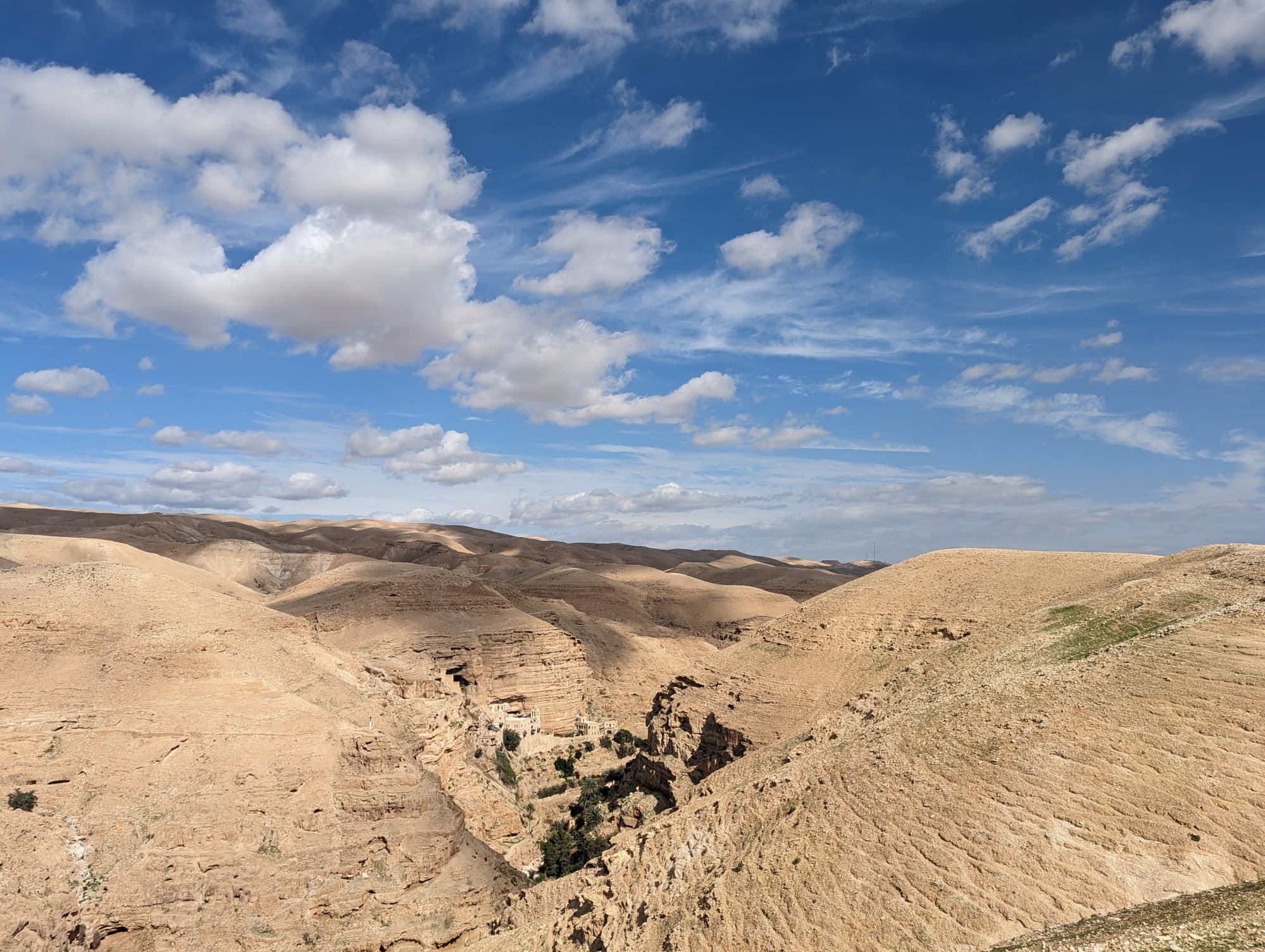
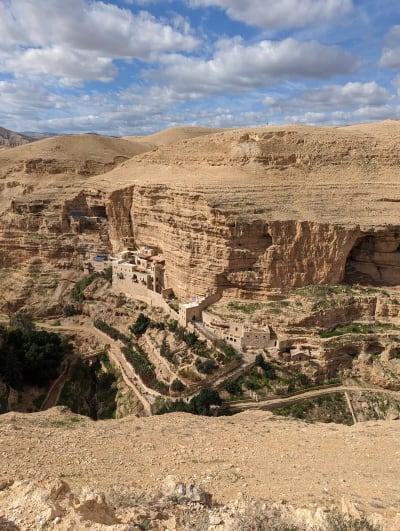
Journey into the Judean Desert and discover a landscape shaped by cliffs, caves, silence, and centuries of spiritual searching. Beyond Jerusalem, early Christian monks came to these isolated places seeking solitude, prayer, and a different way of life. As we travel through the desert, we will follow their stories and explore how communities survived in such demanding surroundings. How did monks find and store water, grow food, prepare bread, and organise their days? Viewpoints and possible visits can reveal the practical world behind monastic life, including cisterns, bakeries, dining halls, agriculture, worship, and strict daily routines. Depending on access arrangements and the route selected, we might encounter monasteries such as St George’s or Mar Saba and observe how their buildings became part of the cliffs themselves. The desert landscape is not simply a backdrop. It helps explain why these places were chosen and how the communities developed. The experience can be adapted to your interests and preferred pace, with greater emphasis on early Christianity, monastic life, desert landscapes, architecture, or the practical challenge of building communities in isolation. The sites mentioned are possibilities, and the final route will be planned according to current access and conditions.
Las colinas de Judea, tierra de cuevas
SuggestedPrice on request
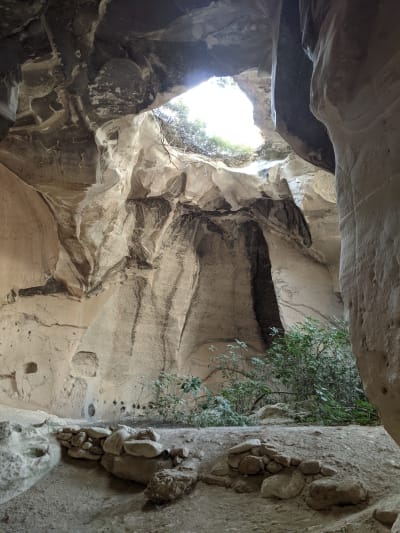
Descubre las estribaciones de Judea con Eli Romanovsky en un día privado entre paisajes bíblicos, ciudades antiguas y mundos escondidos bajo tierra. Podemos comenzar con la vista desde Tel Azekah sobre el valle de Elah, tradicionalmente relacionado con la historia de David y Goliat. Desde allí, continuaremos hacia Beit Guvrin, donde generaciones de habitantes excavaron viviendas, sistemas de agua, cámaras funerarias, talleres y refugios en la roca caliza blanda. Las cuevas de Beit Guvrin revelan un mundo que resulta fácil pasar por alto desde la superficie. Podremos caminar por antiguas cámaras, columbarios, cisternas, cuevas pintadas y pasadizos que cuentan la historia de la vida en esta región a lo largo de muchos siglos. Para quienes prefieren una experiencia más activa, el recorrido puede incluir un complejo de escondites de la época de Bar Kojba. Otras posibilidades son visitar una granja de cabras y participar en un taller de elaboración de queso, conocer la Cueva de las Estalactitas de Avshalom o añadir una actividad relacionada con la seguridad y la defensa personal. El recorrido se puede adaptar a familias con niños, viajeros interesados en la historia bíblica o grupos que simplemente buscan un día variado fuera de Jerusalén.
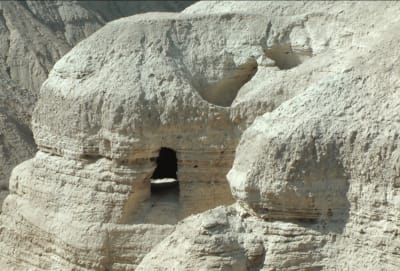
Qumran National Park
SuggestedPrice on request
Qumran sits above the northern Dead Sea, surrounded by the stark landscape of the Judean Desert. It is closely connected with the Dead Sea Scrolls, found in nearby caves and among the most important ancient manuscripts ever discovered. A visit to the site offers a chance to consider the community that lived here, its ritual practices, water systems, and relationship to Jerusalem during the Second Temple period. Combined with a visit to the Shrine of the Book in Jerusalem, Qumran gives the scrolls a powerful physical setting. The story of Qumran is one of a small community that chose the desert to live by its own strict vision of faith, order, and purity, then left behind writings that transformed our understanding of the biblical world.
El camino hacia la independencia
SuggestedPrice on request
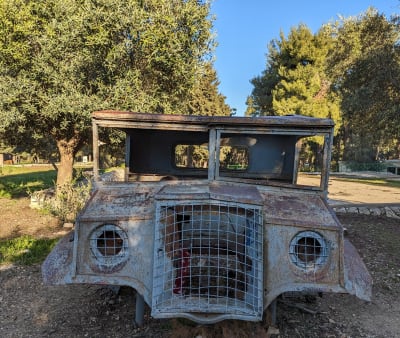
Sigue el camino a Jerusalén con Eli Romanovsky en un recorrido privado por los lugares y acontecimientos que marcaron la independencia de Israel. El recorrido puede comenzar en el Instituto Ayalon, donde una fábrica subterránea secreta produjo municiones durante los últimos años del Mandato Británico. Desde allí, viajaremos hacia Jerusalén siguiendo la historia de los convoyes que intentaron llevar alimentos, agua y suministros a la ciudad durante el sitio de 1948. En Shaar Hagai, la carretera se convierte en algo más que una vía entre Tel Aviv y Jerusalén. Es un lugar de memoria que cuenta la historia de los jóvenes que arriesgaron sus vidas para llegar a una ciudad aislada del resto del país. El día puede incluir un almuerzo en Abu Ghosh y una visita al Parque Nacional del Castel, escenario de una importante batalla por el control de la carretera a Jerusalén. Según tus intereses y el tiempo disponible, también podemos visitar la Casa Weizmann, el museo de las fuerzas blindadas de Yad LaShiryon o uno de los mercados de Jerusalén. Este recorrido privado está pensado para viajeros que desean comprender los acontecimientos de 1948 visitando los lugares donde ocurrieron. La ruta final se adaptará al ritmo, los intereses y las prioridades del grupo.
Samaria: An In-Depth Field Guide to Sacred Sites, Geopolitics, and Cultural Heritage
SuggestedPrice on request
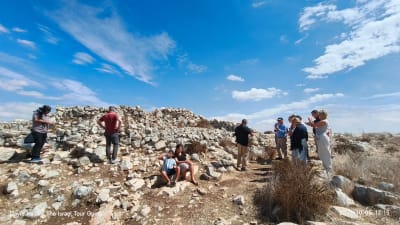
Discovering Shomron: The Heartland of Israel Samaria sits at the historic crossroads of ancient Israelite heritage, strategic mountain topography, and modern geopolitical reality. Traveling through this central ridge is not an ordinary sightseeing excursion. It is an intensive field exploration through biblical capitals, resilient rural communities, and archaeological landmarks that shaped the history of Israel and the region. 1. The Biblical Capitals and Archaeological Anchors Tel Shiloh: The religious and political gathering place of the Israelite tribes for over three centuries. Walk the excavation grounds of the Tabernacle sanctuary, inspect storage facilities, and examine early Iron Age archaeological finds. Sebastia (Ancient Samaria): The royal seat of the Northern Kingdom of Israel under King Omri and King Ahab. Survey the remains of the Israelite royal palaces, Hellenistic circular defensive towers, and the monumental Roman forum and colonnaded street built during the reign of Herod the Great. Mount Ebal and Mount Kabir: High vantage points overlooking biblical Shechem and the Tirzah Valley. Examine the topography of the covenant ceremony and the archaeological debates surrounding the early Iron Age stone structure identified with Joshua’s altar. Deir Qal'a and Ancient Kedumim: Massive Byzantine monastic fortifications cut into the limestone cliffs, contrasted with domestic architecture and ritual immersion pools of ancient Samaritan villages. 2. Living Heritage and Human Encounters The Samaritan Community of Mount Gerizim: Direct encounters with Samaritan community members and priesthood. Study their ancient Hebrew script, genealogical records, and the sacrificial grounds preserved continuously on their sacred mountain. Pastoral Outposts and Hilltop Youth: Candid discussions on the open range. Learn the strategic realities of grazing herds, land stewardship, and the social dynamics driving young pioneers in rural communities. International Faith Alliances: Meet Evangelical Christian volunteer groups who travel from around the world to plant, harvest, and support agricultural projects in the hills. 3. Frontier Landscapes and Strategic Ground Northern Samaria and Reihan Forest: Dense Mediterranean oak forests, late Ottoman and British Mandatory conservation history, and tranquil freshwater springs such as Ein Yedidya. El-Ahwat Archaeological Enigma: A fortified Iron Age I site near Katzir featuring unique dry-stone corridors and rounded architecture, often connected to the biblical sites and the Sea Peoples. Regional Industry and Agriculture: Guided visits to boutique estate wineries utilizing high-altitude mountain microclimates, alongside local manufacturing sites such as the Har Bracha Tahini factory. Tour Judea and Samaria, Yehuda v' Shomron with David Ha'ivri --- Planning Your Itinerary Covering all of these locations is impossible in a single day due to geographical spread, security coordination, and the depth each site deserves. Consider this comprehensive guide a modular master menu. We will use these elements to craft a customized, highly focused single-day itinerary or a multi-day regional expedition tailored directly to your schedule, physical preferences, and specific areas of interest.
Guides(5)
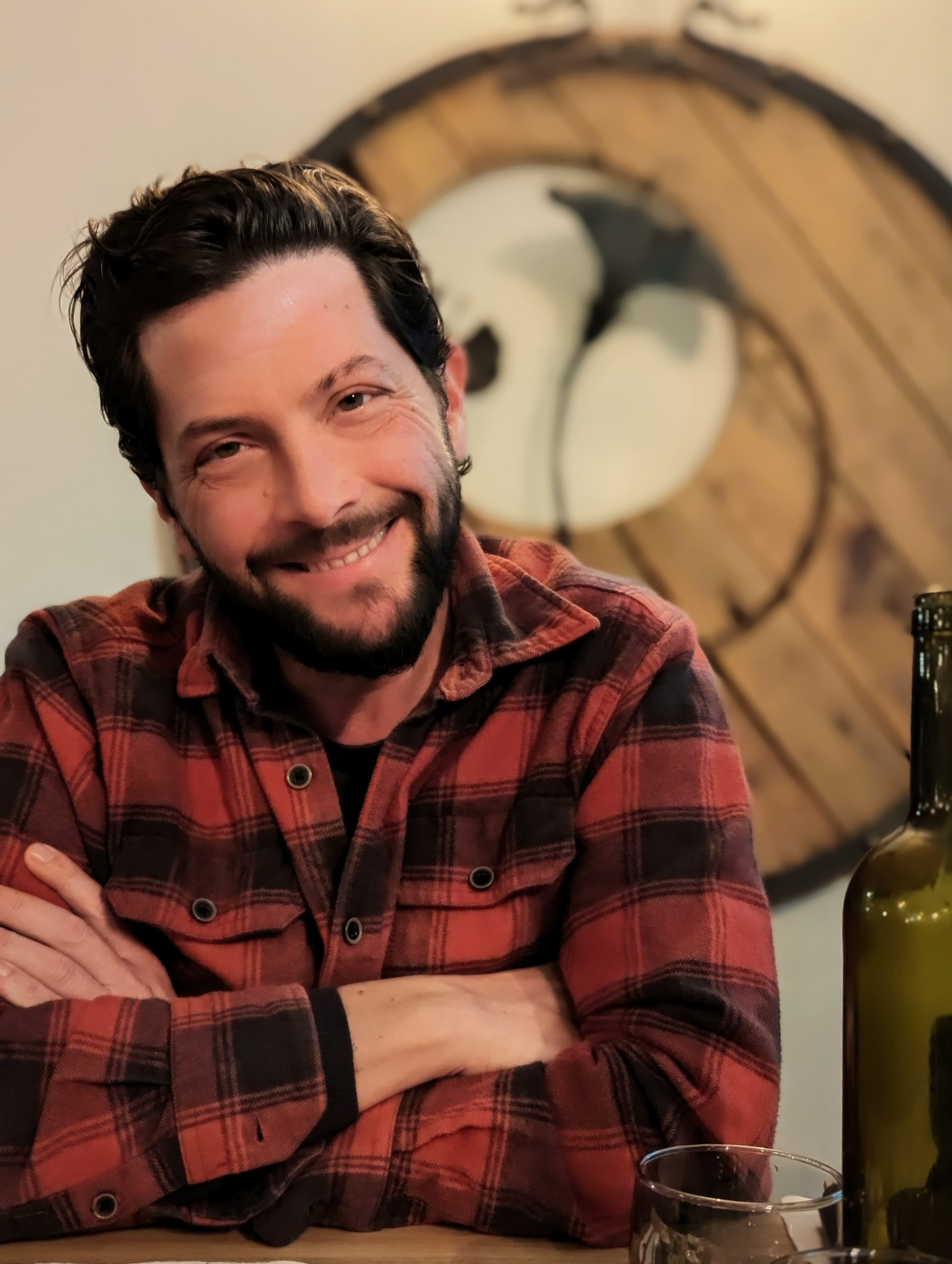
Avraham ori Lancry
Verified ✓Hi I am of avraham ori licensed guide based in Jerusalem
Yehuda Folberg
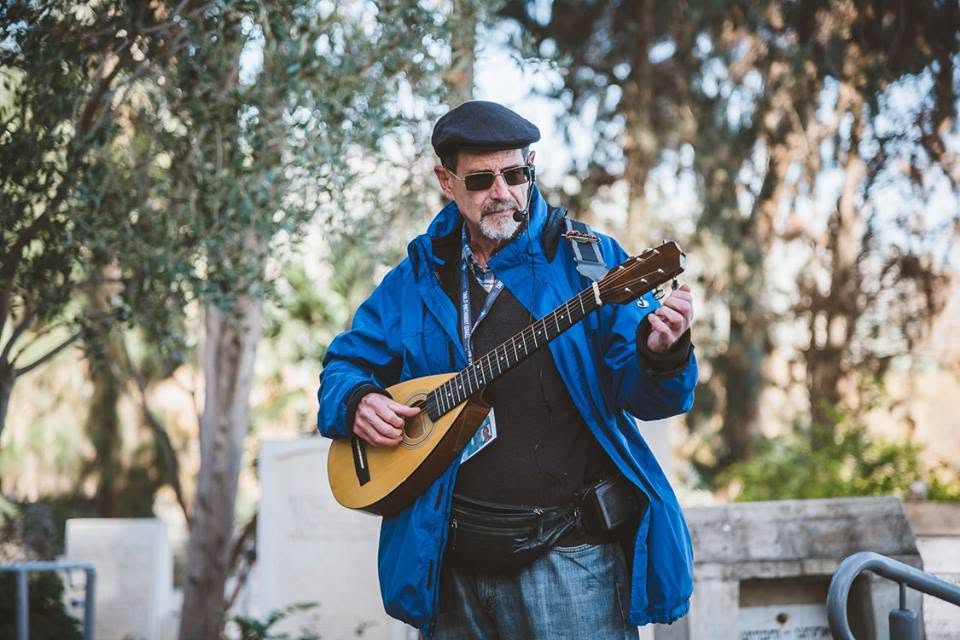
Verified ✓Private tour guide, discovering Israel's history, culture, and landscapes, with a taste of innovation and cuisine, blending tradition and modernity.
Joe Freedman
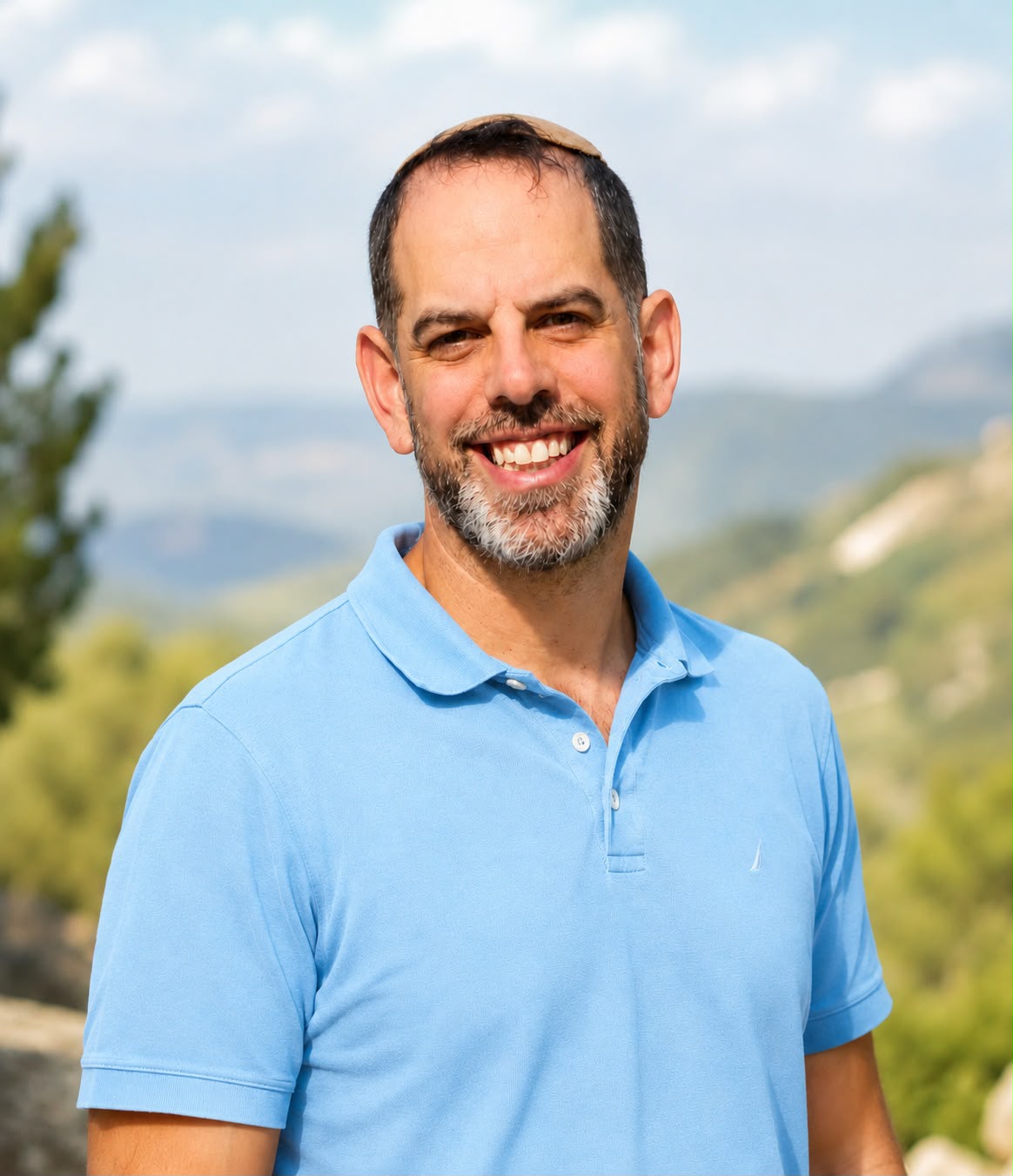
Verified ✓Joe Freedman holds an M.A. in education from the Jewish Theological Seminary and a doctorate in education (EdD) from Teacher’s College, Columbia University. He moved to Israel from the US in 1980 and lives with his family in the Jerusalem neighborhood of Gilo. For many years he served as Director of the Ramah Programs in Israel. In 1996 he earned his tour guide license issued by Israel’s Ministry of Tourism. Joe has been the Tour Educator/Guide for many educational and religious tours, especially synagogue and church tours, and has experience working with all age groups and religious backgrounds. In recent years Joe has guided several Birthright-Israel trips (age 18-32) and is scheduled to guide more groups in the coming months. Joe is also licensed to drive – and guide – in a car or van approved by the Ministry of Tourism. Moreover, Joe has also designed and led educational tours in Spain and Poland. He often uses Israeli music in his guiding and he is also a certified Israeli folk dance instructor. Contact Joe for information about: - Private tours for individuals, couples, families with young children (or multi-generation) or just a group of friends. - Synagogue or church groups; pilgrimages; interfaith groups. - Special interest groups (e.g., focus on hiking, archaeology and ancient history, modern history and sociology, geopolitics, music and dance, spirituality, and so on ) - Educational institutions and missions (school study tours, school boards, university seminars, community center staff, Federations, etc.) - Bar/Bat Mitzva or other lifecycle celebrations
Shai Schupack
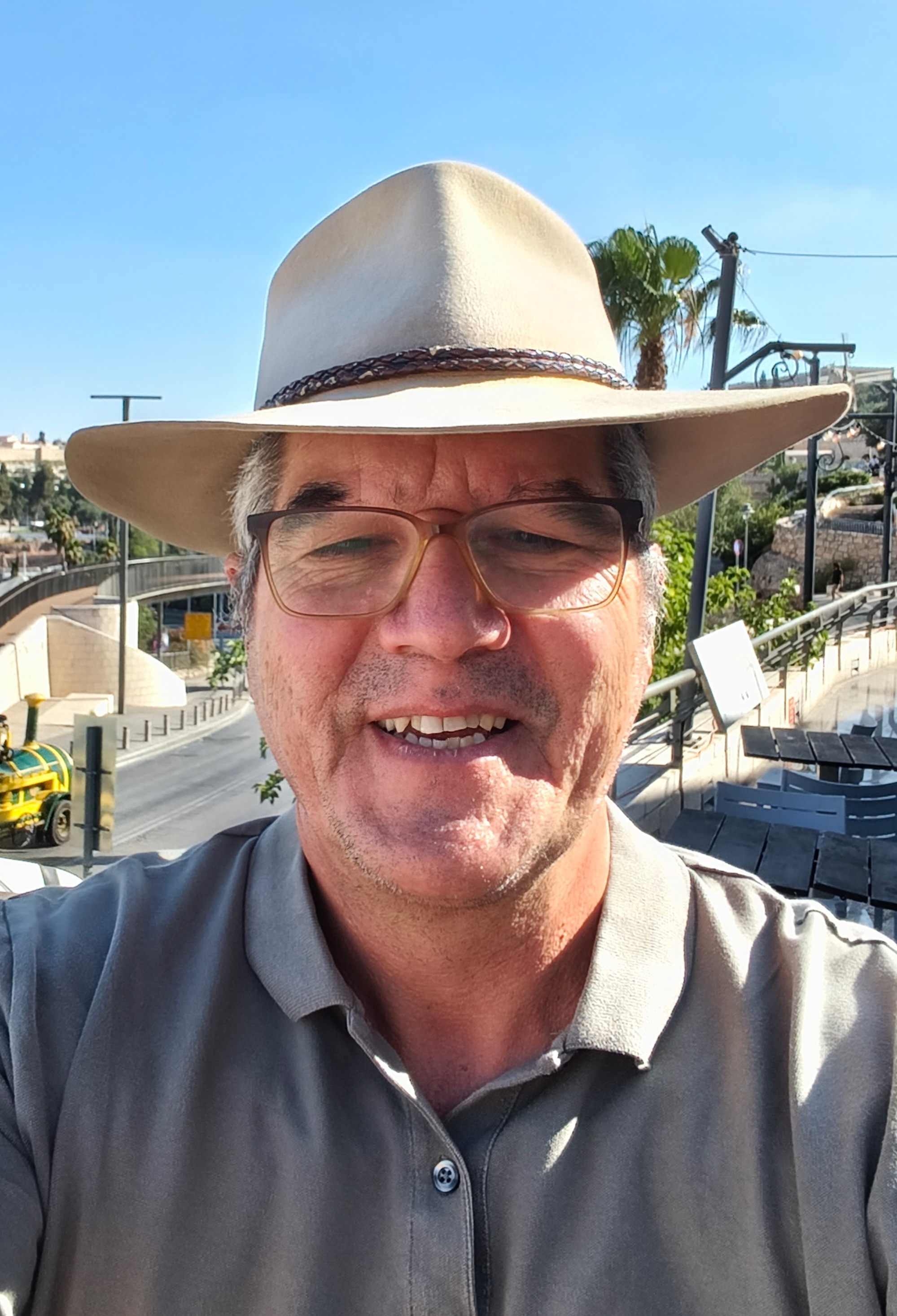
Verified ✓Dr. Shai Schupack is a licensed Israeli tour guide, educator, and researcher based in the Golan Heights. He leads in-depth field tours across the Golan Heights, Upper Galilee, Hula Valley, and Galilee. Shai holds a master’s degree in International Relations and a doctorate in Land of Israel Studies and Archaeology. His work brings together archaeology, historical geography, the history of ancient Israel, the Hebrew Bible and its historical context, Roman and Byzantine settlement, and the political geography of Israel’s northern borders. Alongside his work as a guide, Shai teaches and lectures on the history and geography of Israel and the modern Middle East. His areas of teaching include Lebanon, Syria, Jordan, and Egypt, with attention to the formation of states, borders, communities, water, and regional power. Shai also educates and trains future licensed Israeli tour guides. His tours are structured as serious field study: reading the landscape alongside archaeological evidence, historical sources, and the wider regional context.
David Ha'ivri
Verified ✓Exploring Israel requires more than following a map. It demands a guide who reads the stone alleys, the shifting topography, and the human landscape with effortless clarity. David Ha’ivri brings travelers directly into the living pulse of the land. Decades of boots on the ground across historical routes, urban centers, and rugged trails allow him to navigate every situation with unshakeable calm. Street congestion, unexpected site closures, weather shifts, and logistical hurdles are handled with fluid adaptability. Behind his quiet poise stands an instinctive command of the terrain, ensuring every transition feels seamless. Travelers quickly discover that depth of knowledge does not have to feel heavy. As an educator and professional guide, David possesses the rare ability to unpack complex historical layers, biblical narratives, and regional realities without academic podium talk. He presents centuries of context through engaging, grounded storytelling that speaks equally to first, time visitors and seasoned scholars. Complex ideas become clear conversations. Serious history becomes an enjoyable, memorable journey. Client care defines every itinerary. Group dynamics vary, from families with young children needing shaded rest stops to curious travelers pushing for rigorous hikes. David listens closely, reads the room, and tailors the pace to fit the exact physical and personal needs of the group. Safety is never an afterthought. It is woven into every decision, route selection, and local interaction. Travelers move through busy markets, narrow alleyways, and quiet desert paths with complete peace of mind, fully protected by a guide who knows the ground intimately. A tour with David Ha’ivri goes beyond checking off landmark boxes. You walk alongside a trusted mentor who makes ancient stones speak, opens doors to authentic local encounters, and guarantees an experience that is safe, enriching, and unforgettable.