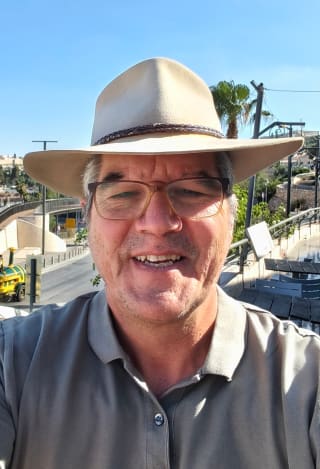
David Ha'ivri
مرشد سياحي معتمد
15+ years experience
David Ha’ivri brings travelers directly into the living pulse of the land. Decades of boots on the ground across historical routes, urban centers, and rugged trails allow him to navigate every situation with unshakeable calm. Street congestion, unexpected site closures, weather shifts, and logistical hurdles are handled with fluid adaptability. Behind his quiet poise stands an instinctive command of the terrain, ensuring every transition feels seamless.
Travelers quickly discover that depth of knowledge does not have to feel heavy. As an educator and professional guide, David possesses the rare ability to unpack complex historical layers, biblical narratives, and regional realities without academic podium talk. He presents centuries of context through engaging, grounded storytelling that speaks equally to first, time visitors and seasoned scholars. Complex ideas become clear conversations. Serious history becomes an enjoyable, memorable journey.
Client care defines every itinerary. Group dynamics vary, from families with young children needing shaded rest stops to curious travelers pushing for rigorous hikes. David listens closely, reads the room, and tailors the pace to fit the exact physical and personal needs of the group. Safety is never an afterthought. It is woven into every decision, route selection, and local interaction. Travelers move through busy markets, narrow alleyways, and quiet desert paths with complete peace of mind, fully protected by a guide who knows the ground intimately.
A tour with David Ha’ivri goes beyond checking off landmark boxes. You walk alongside a trusted mentor who makes ancient stones speak, opens doors to authentic local encounters, and guarantees an experience that is safe, enriching, and unforgettable.
المقاطع
اللغات
Tours(4)
Jerusalem: The Old City, the Quarters, and the Temple Mount
مقترحةالسعر عند الطلب
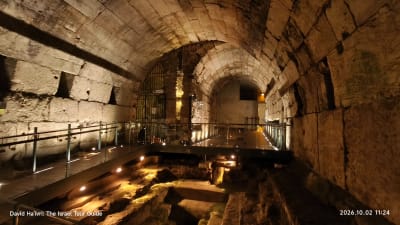
Within the sixteenth-century Ottoman walls of the Old City lies one of the most contested, densely layered urban landscapes on earth. While commonly divided into four distinct quarters, the living reality on the ground is an intricate mosaic of ancient history, theological claims, political tension, and daily coexistence. This field study cuts through standard tourist cliches to deliver an objective, deep-level examination of urban archaeology, living faith communities, and modern geopolitical realities. 1. The Temple Mount: Epicenter of Faith and Geopolitics The Sacred Esplanade: Enter the Mount during designated visiting hours for non-Muslims. We examine the monumental Herodian foundations, early Umayyad architecture, Crusader alterations, and Ottoman decorative work. The Strategic Flashpoint: Analyze the complex status quo governing the plateau, the role of the Jordanian Waqf, the Israeli security apparatus, and the competing religious narratives surrounding Mount Moriah, the First and Second Temples, and the Al-Aqsa compound. 2. The Four Quarters: Sacred Topography and Living Communities The Jewish Quarter: Walk through ancient history and modern renewal. Trace the archaeological sequence from the First Temple Broad Wall and Herodian aristocratic mansions to the Byzantine Cardo, the historic Sephardic synagogues, and the Western Wall. The Christian Quarter: Navigate the bustling alleyways leading to the Church of the Holy Sepulchre. Examine the complex custody arrangements shared by the Greek Orthodox, Roman Catholic, and Armenian Apostolic churches, alongside smaller Eastern traditions that maintain a presence at the site of the crucifixion and tomb of Jesus. The Muslim Quarter: Experience the largest and most populous sector of the Old City. Walk the ancient market streets, inspect monumental Mamluk facades with their intricate stonework and stalactite vaults, and observe the vibrant pulse of local commerce. The Armenian Quarter: Discover the history of the oldest diaspora community in Jerusalem. Understand how this distinct enclave has preserved its language, unique script, tile-making heritage, and monastic traditions behind high stone walls since the fourth century. 3. Fortifications, Gates, and Urban Infrastructure Walls and Gates: Study the military engineering of Suleiman the Magnificent, the historical defense strategies of the city, and how ancient gate complexes regulated trade, defense, and pilgrims for millennia. Underground Jerusalem: Explore ancient water systems, subterranean streetscapes, and bedrock foundations that reveal how layers of destruction and rebuilding created the elevated street level seen today. --- Planning Your Exploration Navigating the Old City requires deliberate planning, physical readiness for extensive stone steps and uneven surfaces, and strict adherence to the operational hours and security protocols of the Temple Mount. This master overview serves as a comprehensive framework. We can focus on specific theological routes, prioritize underground archaeological excavations, or build a balanced single-day or multi-day survey aligned with your background and historical interests.
Gaza Envelope - The Western Negev: Bearing Witness, Resilience, and Rebuilding
مقترحةالسعر عند الطلب
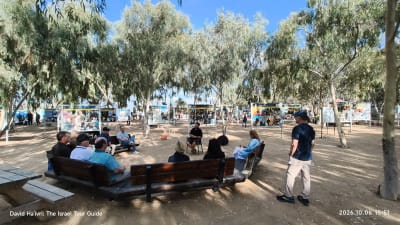
The border region of the Western Negev holds a layered story of pioneering agriculture, ancient trade routes, and frontline defense. The events of October 7, 2023, indelibly changed this landscape and its communities. Developed in response to travelers seeking to stand in solidarity, comprehend the tactical reality on the ground, and witness the ongoing process of recovery, this field study approaches the region with sober analytical clarity and deep human respect. 1. Frontline Realities and Memorial Grounds The Sderot Battle Memorial: Stand at the site of the former Sderot police station. Analyze the urban combat that unfolded in the streets of the city, the strategic challenges faced by first responders, and the civic memorial established where the station once stood. The Re'im Forest (Supernova Festival Site): Walk the grounds of the annual eucalyptus woodland where hundreds of young festivalgoers were targeted. Examine the personal tributes, the makeshift field memorials, and the timeline of the attack within the natural terrain. The Tekuma Vehicle Memorial: A staggering, silent field installation preserving thousands of incinerated and bullet-riddled civilian cars recovered from regional roads and communities. The site offers an undeniable visual record of the scale of destruction. Ot v'Shem Monument and Kfar Aza Perimeters: Visit the memorial sector honoring fallen residents and security teams, examining the physical layout of the border kibbutzim, their security architecture, and the civilian defense squads that fought against overwhelming odds. 2. Historical Roots: Biblical Passages and Early Frontiers The Gerar and Besor Corridors: Trace the ancient historical geography of the Western Negev, connecting the modern frontier to the biblical wanderings of Abraham and Isaac in the Philistine borderlands of Gerar. Early Zionist Outposts: Understand the 1946 "11 Points in the Negev" campaign, examining how early agricultural pioneers laid the water pipelines and defensive perimeters that established the modern southern border of Israel. 3. Renewal, Rehabilitation, and the Future of the South Community Recovery and Rebuilding: Meet with local residents, community leaders, or reconstruction teams working to restore devastated agricultural infrastructure, repopulate neighborhoods, and rebuild shattered kibbutzim. Border Agriculture and Innovation: Observe the remarkable persistence of regional dairy farms, massive greenhouse operations, and citrus groves operating directly along the international border fence under active security protocols. --- Planning Your Visit A journey through the Western Negev requires careful preparation, logistical flexibility, and deep emotional awareness. Travel in this sector is coordinated with relevant regional authorities and takes into account ongoing security assessments and the privacy of recovering communities. This program serves as a comprehensive framework. It can be formatted as a focused single-day itinerary or integrated into a wider exploration of the Negev and the southern frontier, customized to the interests, sensitivities, and background of your group.
Judea Uncovered: Archaeology, Frontier Life, and the Living History of Hebron
مقترحةالسعر عند الطلب
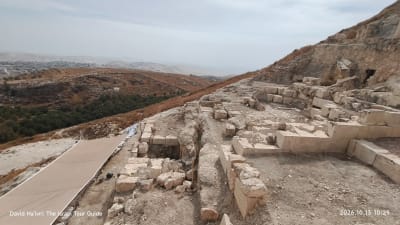
Judea and the Southern Hebron Hills: Ancestral Ground, Frontier Farms, and Desert Strongholds The Judean ridge south of Jerusalem holds the deepest roots of Israelite statecraft and monarchy. Running from the high plateaus of Gush Etzion down through the hills of Hebron to the arid descent into the Negev, this region preserves thousands of years of layered history. This field itinerary bypasses standard tourist routes to deliver an uncompromising examination of monumental ancient engineering, intense urban history, biblical archaeology, and resilient frontier life. 1. Monumental Strongholds and Biblical Roots Herodion National Park: Ascend the artificial mountain fortress built by Herod the Great on the border of the Judean desert. Examine the monumental palace complex, the Roman bathhouses, the fortified royal tomb, and the hidden subterranean cisterns converted into escape tunnels by Jewish fighters during the Bar Kokhba Revolt. The Arugot Farm: Travel eastward toward the desert cliffs for a personal meeting with farm founders Ari and Jeremy. Walk the terraced orchards and grazing lands to hear their firsthand perspective on reviving desert agriculture, reclaiming biblical land, and safeguarding open spaces on the frontier. 2. Deep Field Study in Ancient and Modern Hebron Tel Rumeida: Walk the original archaeological excavation where King David established his first capital. Examine Middle Bronze Age Cyclopean walls, Israelite four-room houses, and ancient olive presses. Tomb of Jesse and Ruth: A quiet, elevated sanctuary dedicated to the memory of King David’s father and great-grandmother, set among ancient stone ruins overlooking the valley. Beit Menachem Lookout: A panoramic bird's-eye view over the urban expanse of Hebron, breaking down the spatial division between the municipal zones, historical geography, and strategic choke points. Beit Hadassah Visitors Center: Trace the modern history of the Jewish community in Hebron, from the 1929 riots and evacuation to the return following the Six-Day War. Avraham Avinu Synagogue and Quarter: Walk the narrow alleyways of the restored 16th-century Sephardic Jewish quarter, centered around the historic synagogue rebuilt from rubble following decades of desecration. Cave of the Patriarchs: Step inside the massive, fully intact Herodian era enclosure wall that has stood for over two thousand years. Analyze the architecture, the burial traditions associated with Abraham, Sarah, Isaac, Rebecca, Jacob, and Leah, and the shared, delicate geopolitical protocol governing the site today. 3. Desert Frontiers, Archaeology, and Highland Terroir Ancient Susia Explore an exceptionally preserved Byzantine-period Jewish town in the Southern Hebron Hills. Walk through underground rock-cut homes, ritual purification baths, and a large central synagogue featuring intricate mosaic floors and ancient Hebrew inscriptions. Jeep Expedition into Yatir Forest: Take off-road 4x4 trails through Israel’s largest planted woodland on the threshold of the Judean and Negev deserts. Explore ancient agricultural terraces, water harvesting systems, and panoramic desert vistas. Estate Winery Tour and Tasting: Conclude the field study with a private tour and guided tasting at a premier high-altitude boutique winery. Examine how the intense temperature shifts and limestone soils of the Judean hills produce internationally recognized, award-winning wines. Tour Judea and Samaria, Yehuda v' Shomron with David Ha'ivri --- Planning Your Expedition Attempting to cover every site on this list in a single day is neither practical nor advisable. The geographic span, the depth of historical material, and the necessary field coordination require deliberate pacing. Consider this overview a modular master menu. We will draw from these core sites to structure either a focused, high-impact single-day field tour or a comprehensive multi-day regional study built around your timing, physical preferences, and historical interests.
Samaria: An In-Depth Field Guide to Sacred Sites, Geopolitics, and Cultural Heritage
مقترحةالسعر عند الطلب
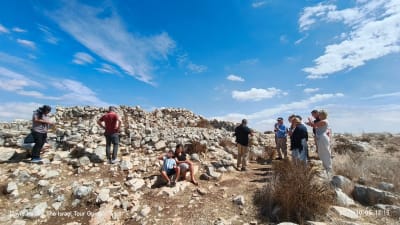
Discovering Shomron: The Heartland of Israel Samaria sits at the historic crossroads of ancient Israelite heritage, strategic mountain topography, and modern geopolitical reality. Traveling through this central ridge is not an ordinary sightseeing excursion. It is an intensive field exploration through biblical capitals, resilient rural communities, and archaeological landmarks that shaped the history of Israel and the region. 1. The Biblical Capitals and Archaeological Anchors Tel Shiloh: The religious and political gathering place of the Israelite tribes for over three centuries. Walk the excavation grounds of the Tabernacle sanctuary, inspect storage facilities, and examine early Iron Age archaeological finds. Sebastia (Ancient Samaria): The royal seat of the Northern Kingdom of Israel under King Omri and King Ahab. Survey the remains of the Israelite royal palaces, Hellenistic circular defensive towers, and the monumental Roman forum and colonnaded street built during the reign of Herod the Great. Mount Ebal and Mount Kabir: High vantage points overlooking biblical Shechem and the Tirzah Valley. Examine the topography of the covenant ceremony and the archaeological debates surrounding the early Iron Age stone structure identified with Joshua’s altar. Deir Qal'a and Ancient Kedumim: Massive Byzantine monastic fortifications cut into the limestone cliffs, contrasted with domestic architecture and ritual immersion pools of ancient Samaritan villages. 2. Living Heritage and Human Encounters The Samaritan Community of Mount Gerizim: Direct encounters with Samaritan community members and priesthood. Study their ancient Hebrew script, genealogical records, and the sacrificial grounds preserved continuously on their sacred mountain. Pastoral Outposts and Hilltop Youth: Candid discussions on the open range. Learn the strategic realities of grazing herds, land stewardship, and the social dynamics driving young pioneers in rural communities. International Faith Alliances: Meet Evangelical Christian volunteer groups who travel from around the world to plant, harvest, and support agricultural projects in the hills. 3. Frontier Landscapes and Strategic Ground Northern Samaria and Reihan Forest: Dense Mediterranean oak forests, late Ottoman and British Mandatory conservation history, and tranquil freshwater springs such as Ein Yedidya. El-Ahwat Archaeological Enigma: A fortified Iron Age I site near Katzir featuring unique dry-stone corridors and rounded architecture, often connected to the biblical sites and the Sea Peoples. Regional Industry and Agriculture: Guided visits to boutique estate wineries utilizing high-altitude mountain microclimates, alongside local manufacturing sites such as the Har Bracha Tahini factory. Tour Judea and Samaria, Yehuda v' Shomron with David Ha'ivri --- Planning Your Itinerary Covering all of these locations is impossible in a single day due to geographical spread, security coordination, and the depth each site deserves. Consider this comprehensive guide a modular master menu. We will use these elements to craft a customized, highly focused single-day itinerary or a multi-day regional expedition tailored directly to your schedule, physical preferences, and specific areas of interest.
Capabilities
Reviews
Tour lengths: full-day, multi-day, half-day
Typically responds within: 1 day