Judea Uncovered: Archaeology, Frontier Life, and the Living History of Hebron
السعر عند الطلب
Duration
Full day
Meeting Point
Jerusalem
نقطة النهاية
Jerusalem
Description
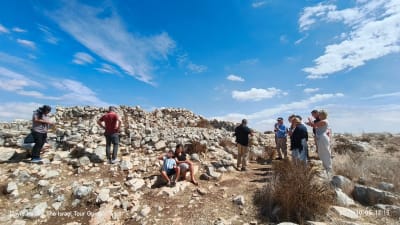
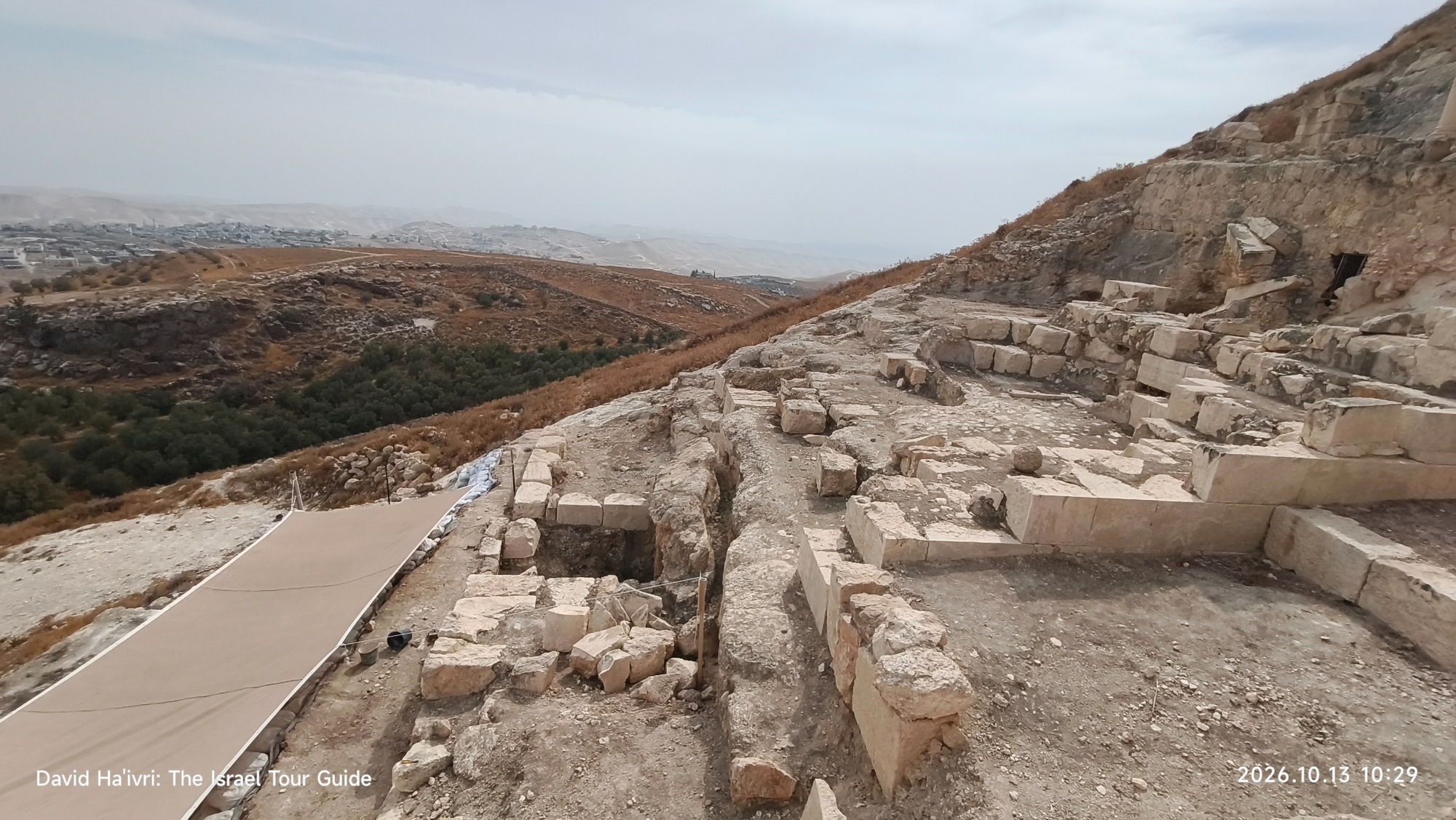
Judea and the Southern Hebron Hills: Ancestral Ground, Frontier Farms, and Desert Strongholds The Judean ridge south of Jerusalem holds the deepest roots of Israelite statecraft and monarchy. Running from the high plateaus of Gush Etzion down through the hills of Hebron to the arid descent into the Negev, this region preserves thousands of years of layered history. This field itinerary bypasses standard tourist routes to deliver an uncompromising examination of monumental ancient engineering, intense urban history, biblical archaeology, and resilient frontier life. 1. Monumental Strongholds and Biblical Roots Herodion National Park: Ascend the artificial mountain fortress built by Herod the Great on the border of the Judean desert. Examine the monumental palace complex, the Roman bathhouses, the fortified royal tomb, and the hidden subterranean cisterns converted into escape tunnels by Jewish fighters during the Bar Kokhba Revolt. The Arugot Farm: Travel eastward toward the desert cliffs for a personal meeting with farm founders Ari and Jeremy. Walk the terraced orchards and grazing lands to hear their firsthand perspective on reviving desert agriculture, reclaiming biblical land, and safeguarding open spaces on the frontier. 2. Deep Field Study in Ancient and Modern Hebron Tel Rumeida: Walk the original archaeological excavation where King David established his first capital. Examine Middle Bronze Age Cyclopean walls, Israelite four-room houses, and ancient olive presses. Tomb of Jesse and Ruth: A quiet, elevated sanctuary dedicated to the memory of King David’s father and great-grandmother, set among ancient stone ruins overlooking the valley. Beit Menachem Lookout: A panoramic bird's-eye view over the urban expanse of Hebron, breaking down the spatial division between the municipal zones, historical geography, and strategic choke points. Beit Hadassah Visitors Center: Trace the modern history of the Jewish community in Hebron, from the 1929 riots and evacuation to the return following the Six-Day War. Avraham Avinu Synagogue and Quarter: Walk the narrow alleyways of the restored 16th-century Sephardic Jewish quarter, centered around the historic synagogue rebuilt from rubble following decades of desecration. Cave of the Patriarchs: Step inside the massive, fully intact Herodian era enclosure wall that has stood for over two thousand years. Analyze the architecture, the burial traditions associated with Abraham, Sarah, Isaac, Rebecca, Jacob, and Leah, and the shared, delicate geopolitical protocol governing the site today. 3. Desert Frontiers, Archaeology, and Highland Terroir Ancient Susia Explore an exceptionally preserved Byzantine-period Jewish town in the Southern Hebron Hills. Walk through underground rock-cut homes, ritual purification baths, and a large central synagogue featuring intricate mosaic floors and ancient Hebrew inscriptions. Jeep Expedition into Yatir Forest: Take off-road 4x4 trails through Israel’s largest planted woodland on the threshold of the Judean and Negev deserts. Explore ancient agricultural terraces, water harvesting systems, and panoramic desert vistas. Estate Winery Tour and Tasting: Conclude the field study with a private tour and guided tasting at a premier high-altitude boutique winery. Examine how the intense temperature shifts and limestone soils of the Judean hills produce internationally recognized, award-winning wines. --- Planning Your Expedition Attempting to cover every site on this list in a single day is neither practical nor advisable. The geographic span, the depth of historical material, and the necessary field coordination require deliberate pacing. Consider this overview a modular master menu. We will draw from these core sites to structure either a focused, high-impact single-day field tour or a comprehensive multi-day regional study built around your timing, physical preferences, and historical interests.
ملاحظات عملية
Preparation and Field Notes for Participants To ensure a smooth and focused day in the field, please review these practical guidelines before our departure: Footwear: Sturdy, closed-toe walking shoes or hiking boots with solid traction. We will be traversing uneven terrain, rocky paths, and unpaved archaeological ground. Sun Protection: A wide-brimmed hat, sunglasses, and sunscreen. Much of the central ridge and field sites offer limited shade. Hydration: At least 1.5 liters of drinking water per person in a refillable bottle. Staying hydrated is essential throughout the day. Weather Layers: Temperatures in the higher elevations can change quickly. A light windbreaker or extra layer is recommended, particularly for late afternoon lookouts. Personal Needs and Health Details: Please notify me in advance of any allergies, dietary restrictions, medical conditions, mobility limitations, or health concerns I should be aware of. If you have any questions regarding gear, pacing, or logistics before we set out, please let me know.